

Handbag Size Guide: What Actually Fits in a Small, Medium and Large Bag
August 13, 2026The leather gets all the attention, but I have retired more bags for zipper failures than for leather failures, and I have seen beautiful leather bags die because their hardware was painted plastic. The parts that actually decide how long a bag lives are the zippers, the hardware, and the stitching at the stress points. They cost the manufacturer almost nothing to do right, which is exactly why they are the first things cut when a brand wants to hit a price point. Learn to check them and you can tell a two-year bag from a ten-year bag in about two minutes.
Zippers: The Part That Fails First
The zipper is the most moving part of any bag and the most likely to die. Two types dominate, and they behave differently. Metal zippers feel premium, weigh more, and can snag if the teeth get bent, but they last. Nylon zippers glide more smoothly, are lighter and cheaper, and fail differently: the coil wears out and starts separating, and then the zipper slides but does not actually close. Neither is automatically better, but the zipper’s brand matters, and a YKK zipper is a genuinely good sign, because that is the mark of a manufacturer who paid for a known component instead of the cheapest spool available.
Test any zipper the same way I do: run it open and closed ten times in a row. It should glide with even resistance, the teeth should meet in a straight line, and nothing should catch. Then look at how the zipper tape attaches to the bag. It should be sewn in, properly, along the whole length. Glued zipper tape is a hidden time bomb, and I have owned the bag that proved it: the tape separated from the lining after a year, and the repair cost more than half what I paid for the bag.
Hardware: The Weight Test
Hardware is where the weight test never lies. Pick up the bag and feel the metal: solid hardware has heft, hollow or plastic hardware feels like a toy. Solid brass is the gold standard, zinc alloy is decent, and painted plastic is a scam at any price. The plating matters as much as the base metal. Cheap plating rubs off at the high-contact points, the corners of the hardware, the strap clips, and the edges of the zipper pull. I once owned a bag with gold hardware that wore down to bare silver within six months, and there is no fixing plating, only replacing the hardware.
Check how the straps attach, because that is where bags die under load. Quality bags attach straps with hardware that is sewn through the leather, or with solid D-rings anchored in reinforced stitching. Cheap bags clip straps on with flimsy lobster clasps that bend under weight. Test the magnets too, if the bag has a magnetic closure: a good magnet clicks with authority and holds the flap shut, a weak one lets the flap hang open and lets everyone see the contents of your bag.
Stitching: Where to Look and What to Look For
Stitching is the skeleton of a bag, and the good stuff is invisible until you look for it. Run your eye along any long seam: the stitches should be even, consistent in size, and tight against the leather with no gaps and no puckering. Count the stitches per inch. Eight to ten is proper machine work, and anything under six means the maker was counting pennies instead of stitches. The thread matters too: waxed polyester or linen thread resists wear and moisture, while cheap cotton thread rots and snaps within a couple of years.
The stress points are where the real inspection happens. Look at the base of the handles, the corners of the bag, and the loops that hold the straps. Quality bags reinforce these with bar-tacks, dense clusters of stitching, or an extra layer of leather. Give the handle a gentle but firm pull: if you hear the thread creak or feel the seam give, you have found the exact spot where this bag will fail in eighteen months. I have seen bags with gorgeous main seams and single-thread handle bases, and the handle always goes first.
The Two-Minute Test in Any Store
You can run the whole inspection in two minutes, and you should, every time. Zip every zipper ten times. Open and close the main closure ten times. Shake the bag, loaded with your own stuff if you have it, and listen: rattling hardware is cheap hardware. Feel the weight of every piece of metal. Check the strap attachment points and pull on the handles. Look at the base corners and the interior seams. If anything catches, creaks, or bends, it will only get worse, because hardware does not heal.
Do this test online too, as far as you can. A listing that shows close-up photos of the zipper, the hardware, and the interior is a listing that is proud of its details. A listing that only shows glamour shots at arm’s length is a listing that knows the details would not survive a close look. Ask the seller direct questions about the zipper brand and the hardware material. A confident answer is a good sign. A vague answer is an answer.
What Repairs Taught Me
I have paid for repairs on enough bags to know the economics by heart. A zipper replacement runs forty to sixty dollars on a bag that cost a hundred and twenty, and the new zipper is never as good as the original, because the tape has to be sewn into a seam that was not designed for it. Strap reattachment is similar money. Good hardware is the cheapest insurance you can buy on a bag, and it costs the maker pennies. When a brand spends those pennies, it is telling you they expect the bag to last. When they do not, they are telling you the opposite, and the price tag is the only thing that is not honest about it.
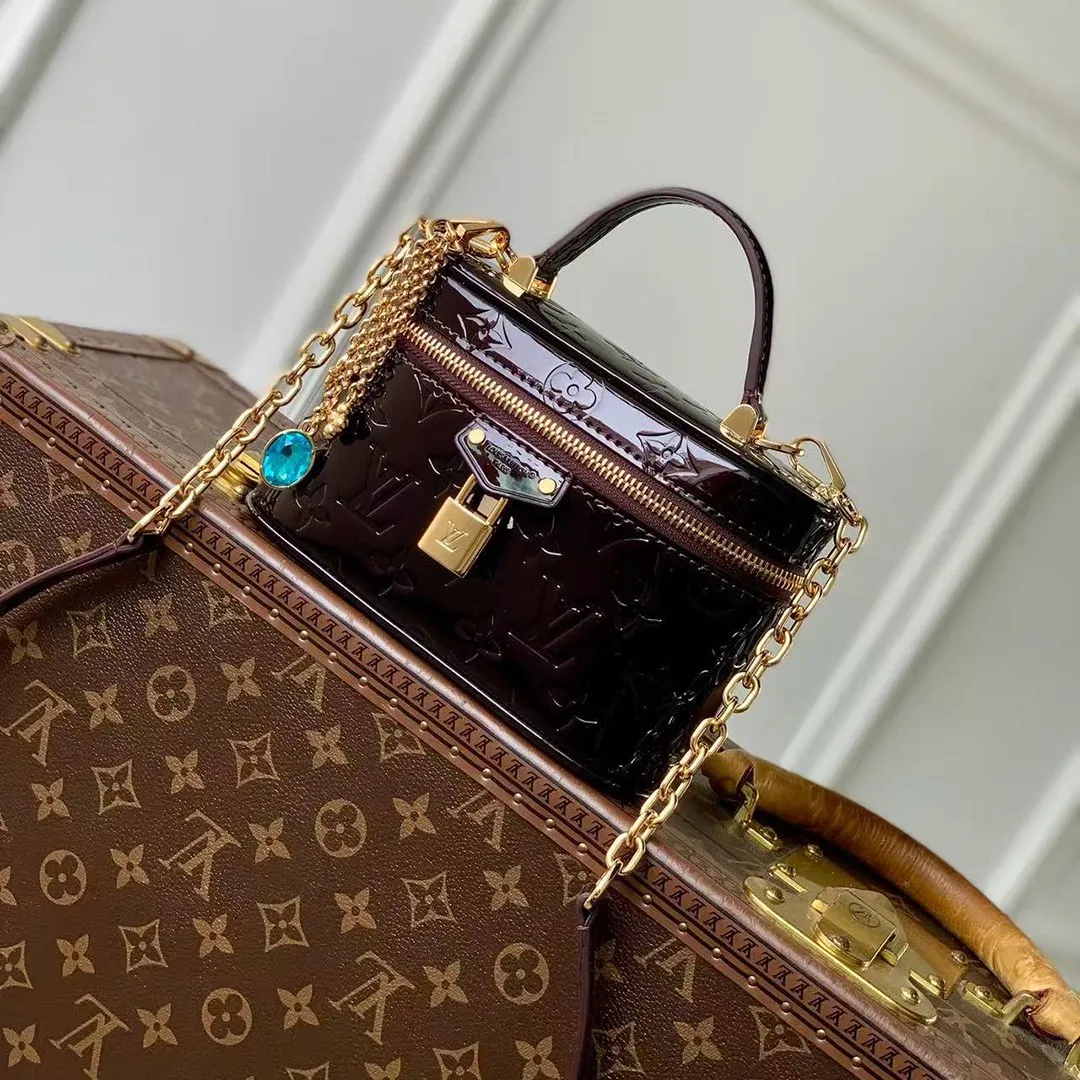
Details are the whole game. Our women’s leather handbag collection is built on solid hardware and reinforced stitching, and the product photos show the details up close so you can check them before you buy.

For analysis of how luxury houses treat craftsmanship and quality, Business of Fashion covers the industry’s standards and shifts.
Related reading: The Ultimate Women’s Handbag Buying Guide: How to Choose a Bag That La · The Complete 101 Buying Guide · Tote vs Shoulder Bag vs Crossbody: Which Shape Fits Your Life? · Full-Grain vs Top-Grain Leather: What’s the Real Difference in Bags?
For more on this topic, the experts at United States Leather offer detailed guidance.