

Men’s Bag Gift Guide: What to Buy the Man Who Has Everything
August 11, 2026
Are Leather or Canvas Bags More Durable?
August 11, 2026No leather item takes more abuse than shoes. They carry your entire weight, hit pavement thousands of times a day, absorb rain, snow, and salt, and still get judged on how they look. That is why shoes are where most people waste the most money, either on shoes that look right but fit wrong, or on leather that cannot survive a single season. I have owned maybe forty pairs in my adult life and learned the hard way that the buying process matters more than the price tag.
This guide is the system I wish I had before those forty pairs. You will learn how to judge fit properly, how to read leather quality, how to match shoes to how you actually live, and how to recognize the construction details that separate shoes built to be repaired from shoes built to be replaced.
Fit First, Always, No Exceptions
Fit is the entire game. A shoe that is comfortable in the store but tight by noon is a shoe you will stop wearing, and a shoe you stop wearing is not a bargain at any price. The rules of proper fit are simple but rarely followed.
Shop late in the day. Feet swell through the day, sometimes by half a size, and a shoe that fits at ten in the morning will fight you at six in the evening. Wear the socks you will actually wear with the shoes, not the paper-thin store socks that flatter every foot. And know that sizes vary between brands, between styles, and even between production runs, so the number on the box is a starting point, not a guarantee.
Leather shoes should feel snug, not painful. Quality leather stretches slightly with wear, maybe a quarter to a half size over the first weeks, so a leather shoe that is comfortably snug will become comfortable. A shoe that is tight from day one will not stretch enough to save it. Test the fit standing, not sitting, because feet lengthen under your weight, and check the toe box: you should be able to wiggle all your toes, and the widest part of your foot should align with the widest part of the shoe.
Leather Quality: The Same Five Signals
Leather shoes follow the same quality hierarchy as bags, with one addition: shoes face harsher conditions, so the hide and the construction both matter more.
Full-grain leather is the top tier: the natural surface of the hide, which develops a rich patina, repels water reasonably well, and ages beautifully. Top-grain leather is sanded and embossed; it looks uniform, but it does not develop patina and it wears less gracefully. Bonded leather should be avoided in shoes at any price, it peels at the flex points within months.
The construction matters as much as the hide. Look at the sole attachment: a Goodyear-welted or stitched sole can be replaced when it wears down, which means the shoe can last decades. A glued sole is a disposable shoe with a leather costume on top, when the sole goes, the shoe goes. Check the stitching at the flex points, the ball of the foot and the heel, because that is where cheap shoes fail. And check the lining, a leather lining breathes and molds to your foot, a synthetic lining sweats and smells.
Match the Shoe to Your Actual Life
Shoes should be bought for the life you lead, not the life you picture. The categories below cover most of what people actually need.
Everyday and commuting
For daily wear, prioritize comfort and durability over style, because you will wear them the most. A quality leather loafer, derby, or sneaker with a stitched sole handles daily use and looks presentable in most settings. The key is a shoe that is comfortable for the whole day, not just the commute, and a sole with real grip for whatever weather you walk in.
Work and formal
Formal shoes are where the construction rules matter most, because they are worn for long hours and judged up close. A Goodyear-welted oxford or derby in black or dark brown, in full-grain leather, with a leather sole or a minimal rubber top piece, is the workhorse of formal footwear. It looks right with suits, it can be resoled, and it gets better looking with polish and care.
Weekend and casual
Casual shoes are the place to experiment: loafers, boots, sneakers, driving shoes, whatever fits your weekend. Quality still matters, but the style is freer. A good leather sneaker in white or a neutral tone goes with almost everything casual, and a pair of leather boots, chelsea or work boot style, adds weight and character to jeans.
Travel and active
Travel shoes need to be comfortable for airports and city walking, and they need to survive being packed. A leather sneaker or loafer that works with both jeans and chinos is the travel sweet spot. Avoid packing anything you would be sad to lose, because checked luggage is not kind to shoes, and wear your heaviest pair on the plane.
The Two-Pair Rule and Rotation
The single most effective shoe-buying strategy is rotation. Buy two good pairs instead of one expensive pair, and alternate them. Shoes need a day between wears to dry out and recover their shape; leather that never rests breaks down fast. Two pairs rotated last roughly three times as long as one pair worn daily, which means rotation is not a luxury, it is arithmetic.
This also changes how you shop. Instead of hunting for the one perfect pair, you build a small system: an everyday pair, a formal pair, a casual pair, and maybe a seasonal pair. Each pair gets worn less often, each pair lasts longer, and you always have a pair that looks good while the other rests.
Color and Versatility: The Neutral Foundation
The same neutral-first strategy that works for bags works for shoes. Black covers formal and most work settings. Brown, in its range from tan to dark chocolate, covers everything casual and much of work. A pair of white or off-white leather sneakers covers the modern casual slot. Those three, black, brown, white, give you a shoe wardrobe that matches almost any outfit, and they are the colors that resell well and date slowly.
Color is where personal taste should win, but the strategy is to build the neutral foundation first and add the statement pairs, the burgundy oxford, the green suede loafer, the red sneaker, once the foundation exists. Statements are additions, not foundations, and this rule applies at every price point.
Quality Signals Checklist
Before you buy any shoe, run this sixty-second checklist. It has saved me from more bad purchases than any review.
- Leather type: full-grain or high-grade top-grain, never bonded
- Sole: stitched or welted for quality shoes, with a replaceable design
- Stitching: even, tight, reinforced at flex points
- Lining: leather where it matters, breathes and molds
- Fit: snug but not painful, toes wiggle, widest point aligns
- Heel: stable, no rocking, sits flat
- Flex: the shoe bends where your foot bends, not in the middle
- Weight: reasonable, not brick-like, not flimsy
If a shoe passes all eight, it is built to last. If it fails more than two, walk away, no matter how good it looks in the display window.
After You Buy: The First Month
The first month sets the pattern. Condition the leather before first wear, so it starts with moisture in it. Waterproof spray for anything you will wear in weather. Use shoe trees from day one, they hold the shape and absorb moisture, and they are the cheapest longevity tool in footwear. Let each pair rest a day between wears. And polish regularly, because polish is not vanity, it is protection: the wax layer takes the scuffs so the leather does not.
Do this for the first month and the shoes will break in beautifully. Skip it and the same shoes will look tired by month six.
Buying Online vs In Store
The shopping channel changes the game. In store, you can feel the leather, test the fit, and walk the floor, which is why first pairs of any style should be bought in person. The in-store rules: shop late in the day, wear your real socks, and walk more than a lap, because a shoe that feels fine for one lap may punish you by the tenth. Ask about the return policy before buying, because even in store, fit can lie.
Online, the rules are about measurement and policy. Measure your foot length and width at home, both feet, because they differ, and compare against the brand’s size chart, which is more reliable than the number on your old shoes. Buy from stores with free returns and generous windows, order two sizes if you are between them, and never keep a shoe that fits only with hope. The online buyer who measures and returns fearlessly ends up with better-fitting shoes than the in-store impulse buyer.
Related Guides in This Series
The Complete 101 Buying Guide · Shoe Gift Guide: Choosing Footwear as a Gift That Always Fits · Shoe Care 101: Cleaning, Conditioning & Storing Leather Shoes
Ready to find your pair? Browse our designer-inspired shoe collection and see the leathers and constructions built to last.
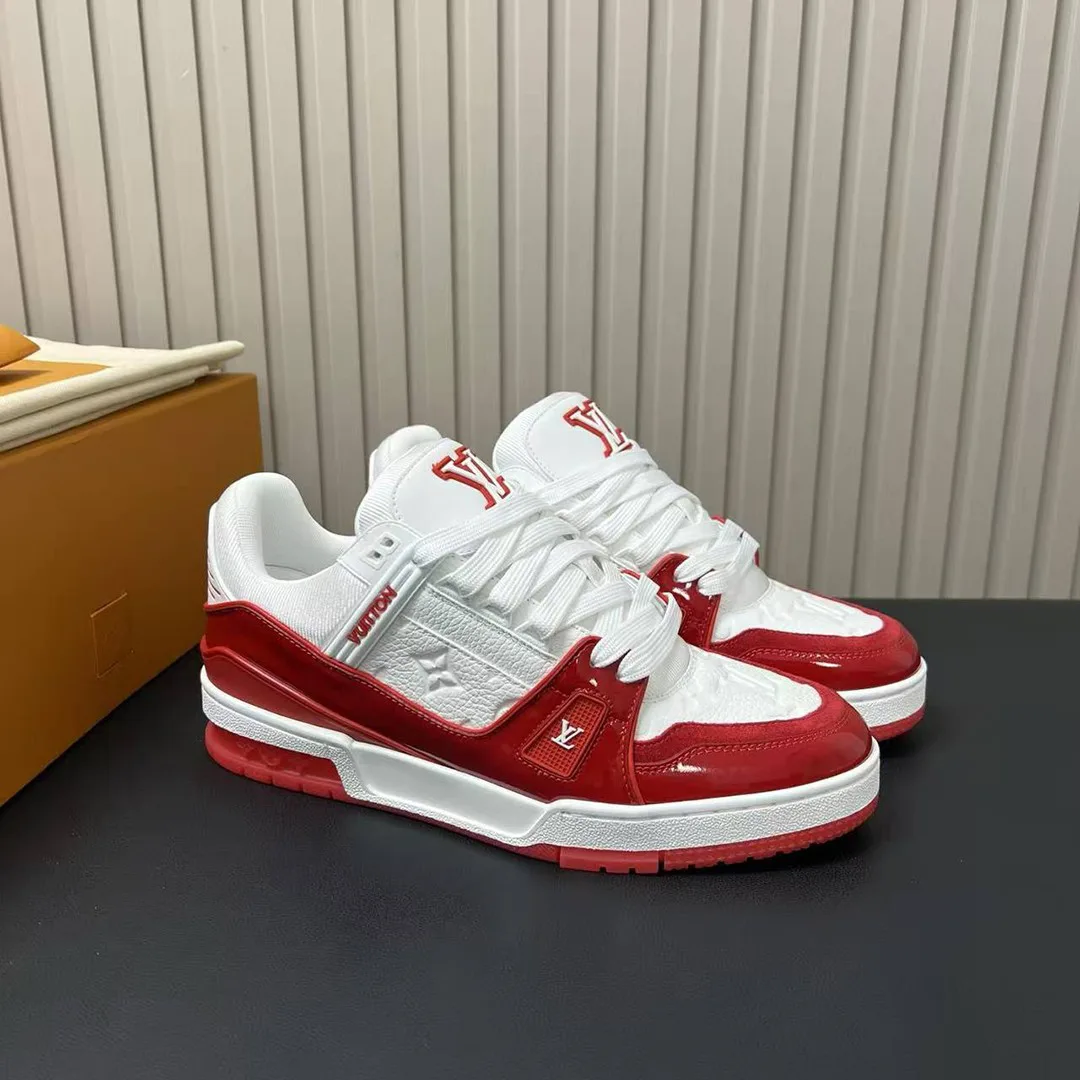
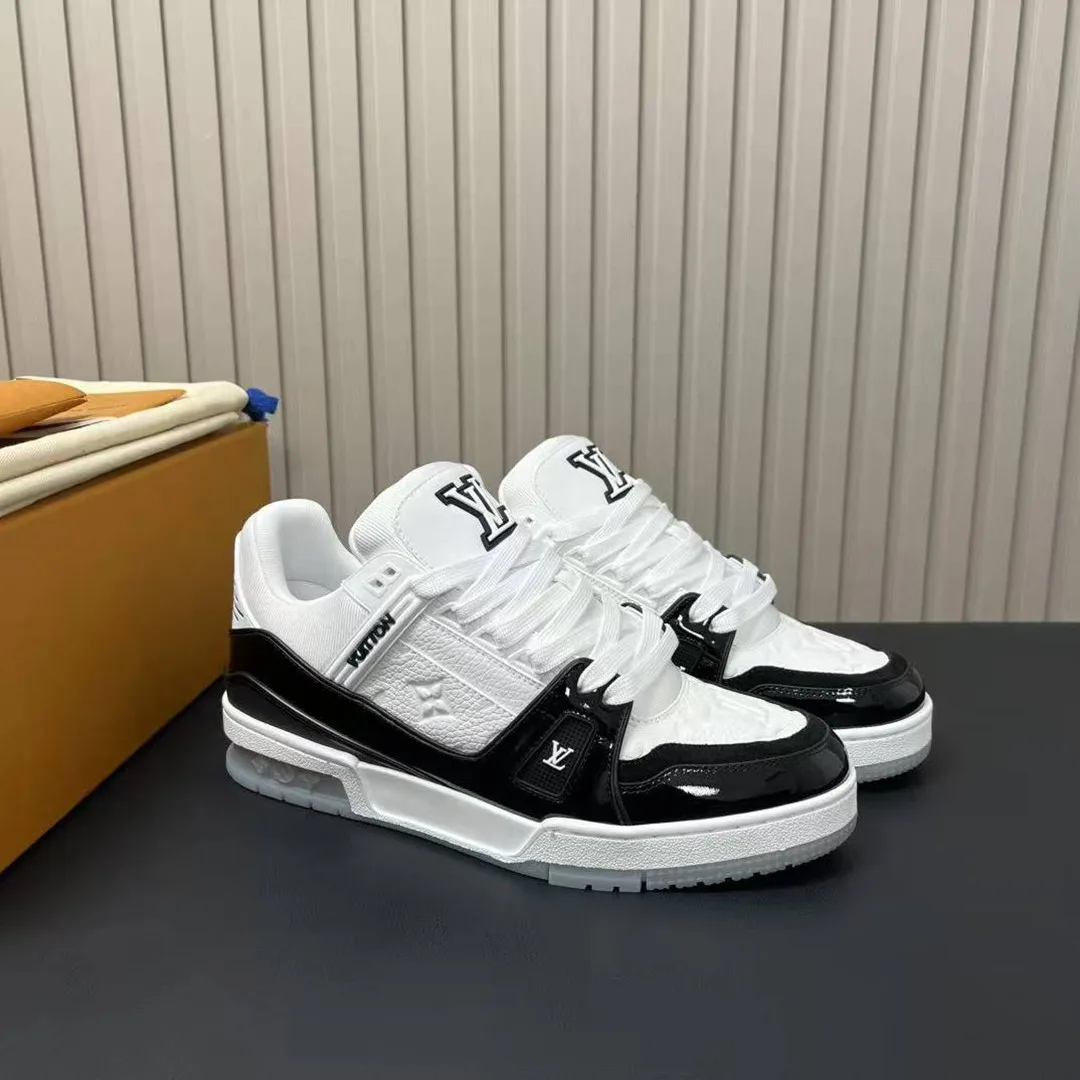
For more on how the footwear market is evolving, Vogue Business covers the business of shoes and the trends shaping what brands make.
Industry data and professional guidance from Footwear Distributors and Retailers of America support this view.