


What Are the Latest Women’s Fashion Trends?
August 11, 2026Men’s Bag Trends: From Backpacks to Totes, What Men Are Carrying Now
August 11, 2026Most men treat the bag as a utility item: it holds stuff, end of story. But the bag is the most visible accessory a man wears, more than the watch, more than the belt, because it is big, it is at eye level, and it is with you all day. The difference between a man who looks put together and a man who looks like he grabbed the nearest thing is usually the bag, and whether it agrees with the rest of the outfit.
I did not learn this quickly. For years I carried a scuffed black messenger bag with everything, suits, jeans, gym shorts, and wondered why my outfits never looked right. The bag was fine. It was just never agreeing with anything. This guide is the system I eventually worked out: matching the bag to the level of formality, to the leather of the shoes and belt, and to the actual occasion.
The Formality Ladder
Think of outfits on a ladder of formality, and the bag should sit on the same rung. A structured briefcase belongs on the suit rung. A leather backpack belongs on the smart-casual rung. A canvas or technical bag belongs on the casual rung. The mismatch is what looks wrong: a canvas backpack with a suit, or a structured briefcase with gym clothes. Neither is a crime, but both read as a mistake.
Here is the ladder, roughly:
- Formal (suits, tailoring): structured leather briefcase, black or dark brown
- Smart-casual (blazer, chinos, knitwear): leather backpack, portfolio, soft briefcase
- Casual (jeans, t-shirts, sweaters): canvas backpack, messenger, crossbody, any leather that is not trying to be formal
- Active (gym, outdoor, travel): technical backpack, duffel, gym bag
The good news is you only need two or three bags to cover this ladder. A leather backpack handles smart-casual and most of casual. A structured briefcase covers formal. A technical or canvas bag covers active. Three bags, the whole wardrobe covered.
Leather-to-Leather: The Rule That Ties It Together
The single most effective styling rule for men is leather-to-leather matching: the color of the bag should agree with the color of the shoes and the belt. Brown bag with brown shoes and a brown belt. Black bag with black shoes and a black belt. This creates a visual line through the outfit, and it is the difference between intentional and accidental.
You do not need an exact match. Black and dark brown are close enough to harmonize. Tan and cognac work together. The rule is about the family of tones, not the exact shade. And the belt matters more than men realize, because it is the middle of the outfit, connecting the shoes at the bottom to the bag at the side. When the belt matches the shoes, the outfit reads deliberate. When it does not, the outfit reads random.
One practical note: if you wear a watch with a leather strap, that strap joins the leather family too. A brown leather strap watch with brown shoes and a brown bag is the full system, and it is a very quiet, very expensive-looking detail.
Work Styling: Suits, Business Casual, and Everything Between
For the formal end of work, the rules are simple. Black or dark brown structured briefcase, kept in good condition, and it should be able to sit on a conference table without apology. The briefcase should match the shoe color, which for suits is almost always black or dark brown, so the matching is easy.
For business casual, the leather backpack is the modern default, and it works because it reads professional without being rigid. Tan or cognac leather warms up a business-casual outfit of chinos and a blazer. Black reads sharper and works with darker outfits. The one thing to avoid at work is a bag that looks battered, because the bag is judged as part of the presentation, fair or not.
If you present to clients or meet customers, match the bag to the room. When the client is formal, bring the briefcase. When the meeting is casual, the backpack is fine. Reading the room is part of the skill, and men who do this well look like they belong in the room, which is the whole game.
Casual Styling: Jeans, Weekends, and Everything Off
Off-duty, the rules relax, but they do not disappear. A leather bag in tan or brown with jeans and a t-shirt looks great, because the warm leather tones echo the denim. A black bag with a monochrome casual outfit looks sharp. Canvas bags work with almost anything casual, and a quality canvas bag has its own rugged appeal.
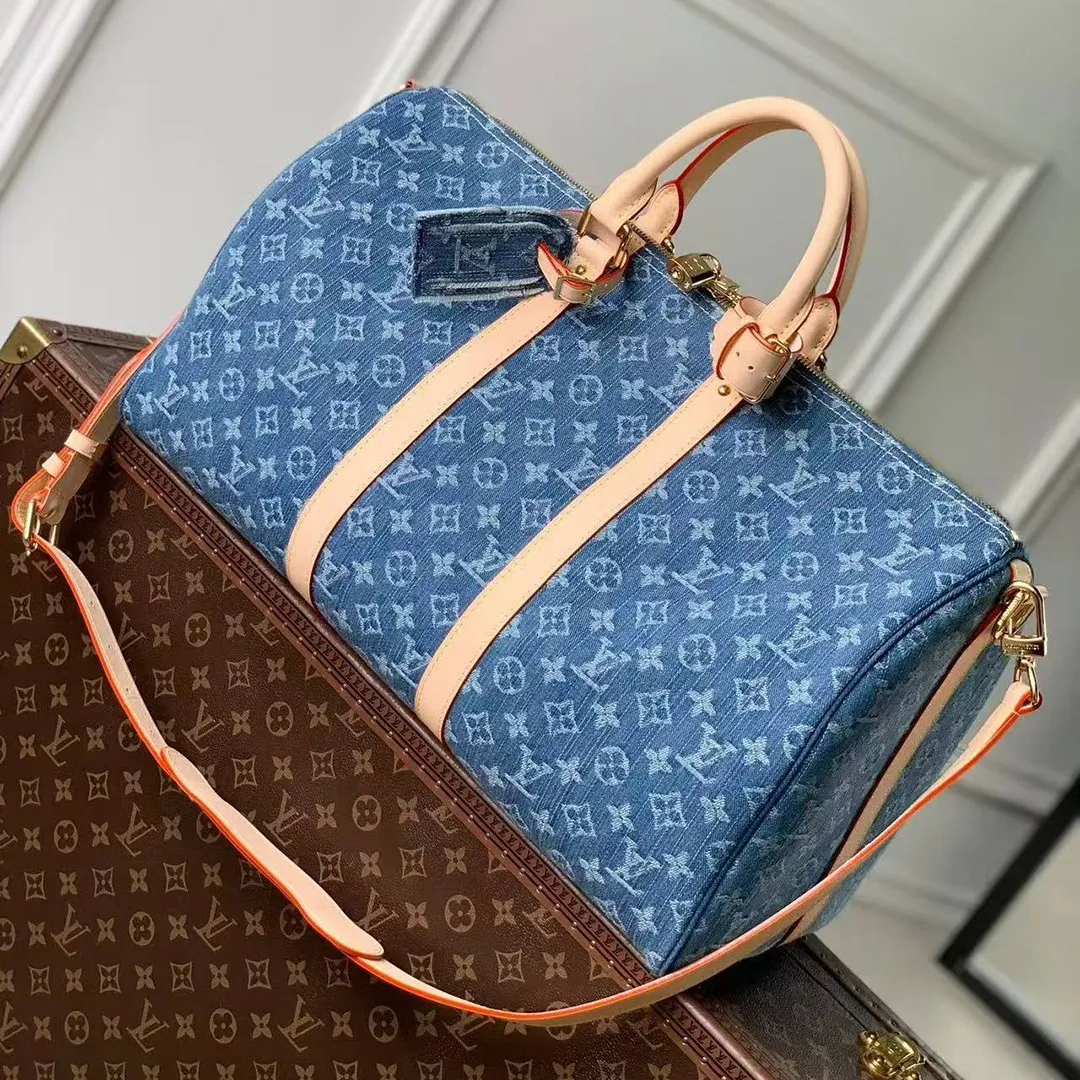
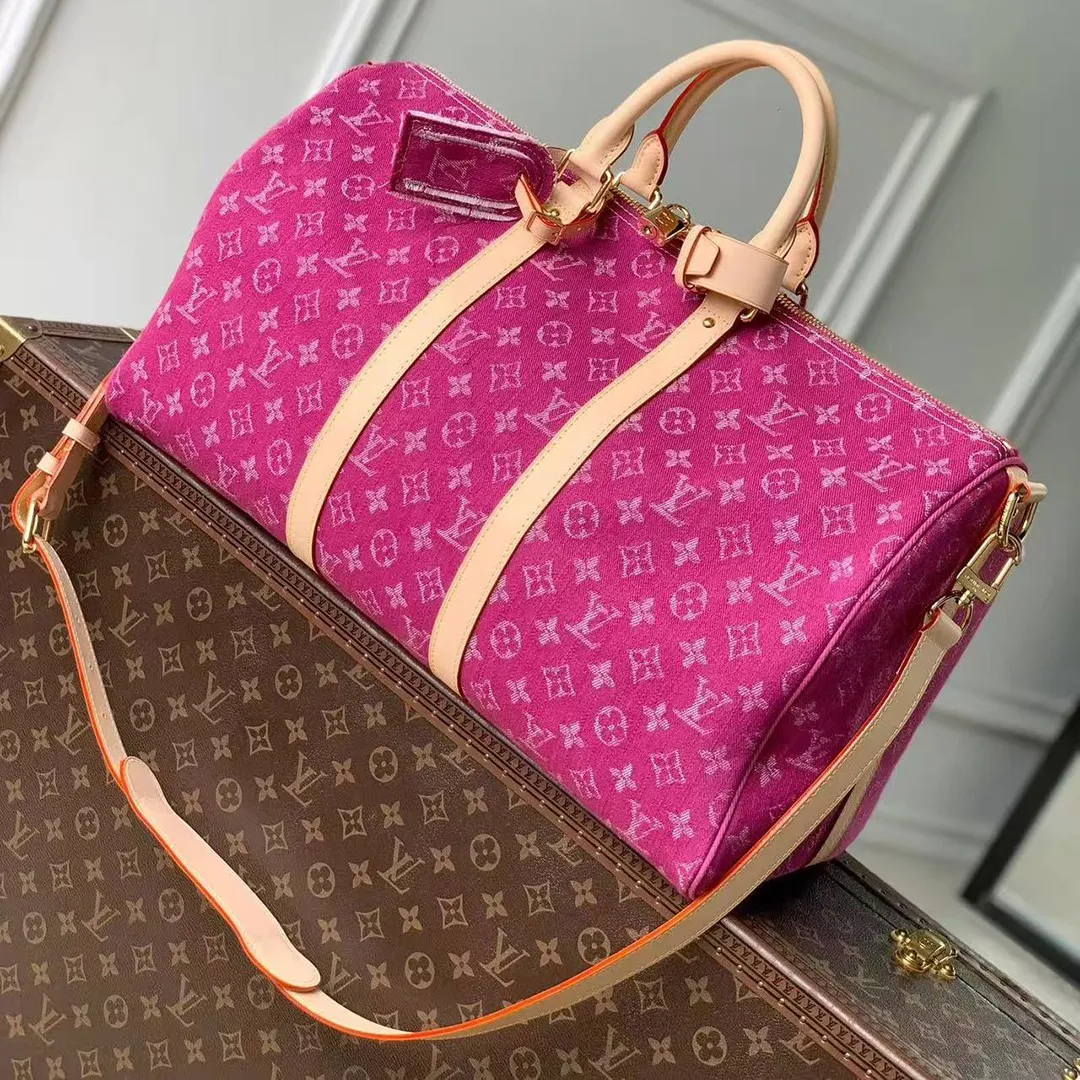
The weekend bag is its own category. A leather weekender or duffel in brown or cognac is the classic choice, and it pairs with everything from jeans to linen trousers. The rule for travel bags: they should look like they have lived, so a little wear is fine, even good. The polish rule applies to work bags, not to weekenders.
One trend worth noting: the crossbody bag for men is no longer just for travel. Worn at hip height with casual outfits, it reads modern and practical. Keep it minimal, a small leather crossbody in a neutral tone, and it will work with a surprising range of casual looks.
Size and Proportion: The Fit of the Bag
Proportion matters for men’s bags just as it does for clothes. A giant duffel with a light outfit swamps the silhouette. A tiny sling bag with a big frame can look comical. The general rule: the bag should be in proportion to the man and the outfit. Larger men carry larger bags comfortably; slighter frames suit medium bags. A suit wants a slim bag, because the tailoring is slim. Casual clothes tolerate a bigger bag, because the silhouette is looser.
The practical test is the mirror test: look at the whole outfit in a mirror, from head to toe, and ask if the bag looks like part of the outfit or like an attachment. If it looks attached, something is off, usually the size or the color. Fix one of the two and it usually resolves.
Care as a Styling Tool
The styling advice that nobody gives men: the condition of the bag is part of the outfit. A well-conditioned leather bag with a soft sheen looks expensive even if it cost a hundred dollars. A dry, dusty bag looks cheap even if it cost a thousand. Men who polish their shoes understand this instinctively, but most never think to apply it to the bag.
The routine is minimal: wipe it weekly, condition it monthly, keep it out of the sun. That is it. The difference in how the bag reads in an outfit is dramatic, and it costs fifteen minutes a month. If you take one styling tip from this guide, take this one, because it makes every other tip work better.
Bag + Shoe + Belt Coordination
The most polished men’s outfits treat the accessory group as one system. The bag, the shoes, the belt, and the watch all talk to each other, and when they agree, the outfit reads expensive without spending a cent more. The coordination rule is the leather family: keep the bag, belt, and shoes in the same tonal family. Brown leathers together, black together, and the belt is the bridge, connecting the shoes at the bottom to the bag at the side.
Metal is the second coordination layer. A bag with brass hardware pairs with a brass buckle and a watch with warm tones. Silver hardware pairs with silver and steel. This sounds fussy, but it is a thirty-second check at the mirror, and it is the difference between an outfit that looks chosen and one that looks assembled. Men notice these details on other men even when they cannot name what they noticed.
Seasonal Notes for Men’s Bags
Men’s bags shift with the seasons too, though more subtly than women’s. In winter, darker leathers and structured shapes read right against coats and knitwear, and a black or dark-brown bag works with the heavy fabrics of the season. In summer, lighter leathers, tan and cognac, read cooler and work with linen and lighter colors. Rainy seasons call for extra waterproofing, and the coated-canvas bag, which shrugs off weather, is a legitimate summer-and-rain option that still reads well.
One more seasonal rule: do not leave a leather bag in a car in any season. Summer heat bakes and cracks it, winter cold stiffens it, and both shorten its life dramatically. The bag comes inside with you, like the rest of your clothes.
The Bag and the Outfit: Proportion and Balance
The final styling layer is proportion: the bag should balance the outfit, not dominate it or disappear. The general rule is that the bag’s visual weight should match the outfit’s visual weight. A slim suit wants a slim bag, a briefcase or portfolio that does not add bulk to the tailored line. Casual clothes tolerate a bigger bag, and a heavier bag with jeans and a jacket reads balanced, where the same bag with a light summer outfit would swamp it.
Strap length changes the balance too: a bag worn high reads sharper and more formal; worn low, at the hip, reads relaxed and modern. And the color of the bag adjusts the balance: a dark bag with a dark outfit recedes, a tan bag with a dark outfit becomes the focal point. Use the mirror test, step back, and let the whole silhouette decide, because the outfit is the unit, and the bag is a member of it.
Related Guides in This Series
The Complete 101 Buying Guide · Men’s Bag Gift Guide: What to Buy the Man Who Has Everything · Men’s Bag Care: Maintaining Leather Briefcases, Backpacks & Wallets
Ready to upgrade your daily carry? Browse our men’s designer-inspired leather bag collection and find the shape that fits your wardrobe.
For more on how menswear accessories are evolving, The Business of Fashion covers the trends shaping men’s fashion.
For the industry perspective, Vogue publishes regular updates on this space.