

Do You Carry a Wallet When You Go Out for a Walk?
August 15, 2026I bought a vintage bag at a flea market once that smelled like a basement that had opinions. Musty, damp, slightly sweet — the kind of smell that makes you hold the bag at arm’s length. The seller shrugged and knocked ten dollars off. I took it home, and within a week the smell was gone, and the bag is still one of my favorites eight years later. Odors in leather are almost always fixable. Almost always. The trick is knowing what kind of smell you’re dealing with, because the fix for musty is not the fix for perfume-soaked, and neither is the fix for smoke.
Know What You’re Smelling
Musty and damp means moisture has been living in the bag — wrong storage, a wet day, a damp closet. This is the most common, and the most fixable. A chemical or perfume smell usually comes from the previous owner’s products soaking into the lining. Smoke is the hardest of the common ones, because it gets into the fibers and the stitching. And if the smell is sharp, moldy, and accompanied by white or grey fuzz, stop — that’s active mold, and it’s a different problem entirely. Mold needs professional treatment; everything else in this article is fair game.
The Gentle Methods That Handle Most Smells
First, empty the bag completely and turn the lining out. Then air it: a few hours in the shade on a breezy day — not direct sun, which fades color — does more than any product. Leather breathes, and airing gives the trapped moisture and odor a way out.
Next, absorb the smell rather than masking it. Baking soda is the classic: put it in a small cloth bag or an old sock, tie it off, and leave it inside the handbag for twenty-four to forty-eight hours. Don’t pour baking soda directly onto the leather or lining — it’s a fine powder and it’s miserable to clean out of seams. Activated charcoal sachets work better and faster; they’re sold for closets and fridges, they cost a few dollars, and you can recharge them in the sun. Coffee grounds work too, but they leave their own smell behind, so only use them if you actually like coffee.
Newspaper inside the bag absorbs moisture and odor as well — but keep it inside a paper bag or wrap it in cloth first, because newsprint transfers ink to light linings. Learned that one the hard way.
If the smell is really stubborn, there’s one more home trick that works better than it has any right to: the sealed-box method. Put the bag in a large plastic storage box with an open container of baking soda — or a couple of charcoal sachets — close the lid, and leave it for three or four days. The closed space lets the absorbent actually work on the trapped air instead of losing it to the room. It’s slower than airing, but I’ve pulled musty bags back from the brink this way more than once. Just never seal a damp bag in a box — that’s how you grow the mold you were trying to avoid.

For Stubborn Smells, Escalate Carefully
If airing and absorbing haven’t done it, move to the lining. A fifty-fifty mix of white vinegar and water, applied with a cloth to the lining only — never the exterior leather — neutralizes a lot of odors, including mildew’s early stages. Wipe, let it dry completely, and repeat if needed. The vinegar smell fades within a day or two and takes the other smells with it.
For heavy perfume or smoke, the lining might need a proper cleaning with a leather-safe or fabric-safe cleaner, and in the worst cases a professional ozone treatment — the same thing car detailers use for smoke damage. It’s worth the money for a bag you love. What you should never do: spray the bag with perfume or air freshener to cover the smell. That just layers a new odor on top of the old one, and the combination is usually worse than either alone.
Retail analysts have noted that secondhand and vintage bags are a growing share of the market — Retail Dive covers it — which means more people than ever are facing the “smells like someone else’s closet” problem. The good news is that the fix is cheap and mostly patient.
Keeping It Fresh Long-Term
Every odor I’ve ever removed came back when the bag returned to the same bad habits: stored damp, closed up tight, or used to carry damp things. So: never store a bag that isn’t fully dry. If you carry an umbrella, a water bottle, or gym clothes in the bag, make sure they’re dry before they go in. Give every bag an airing — ten minutes with the lining out, once a week — and drop a silica gel packet inside bags you’re storing for the season. That’s the whole program.
And if a bag comes to you already smelling, give it two weeks of airing and absorbing before you give up on it. I nearly resold that flea market bag twice. Glad I didn’t.
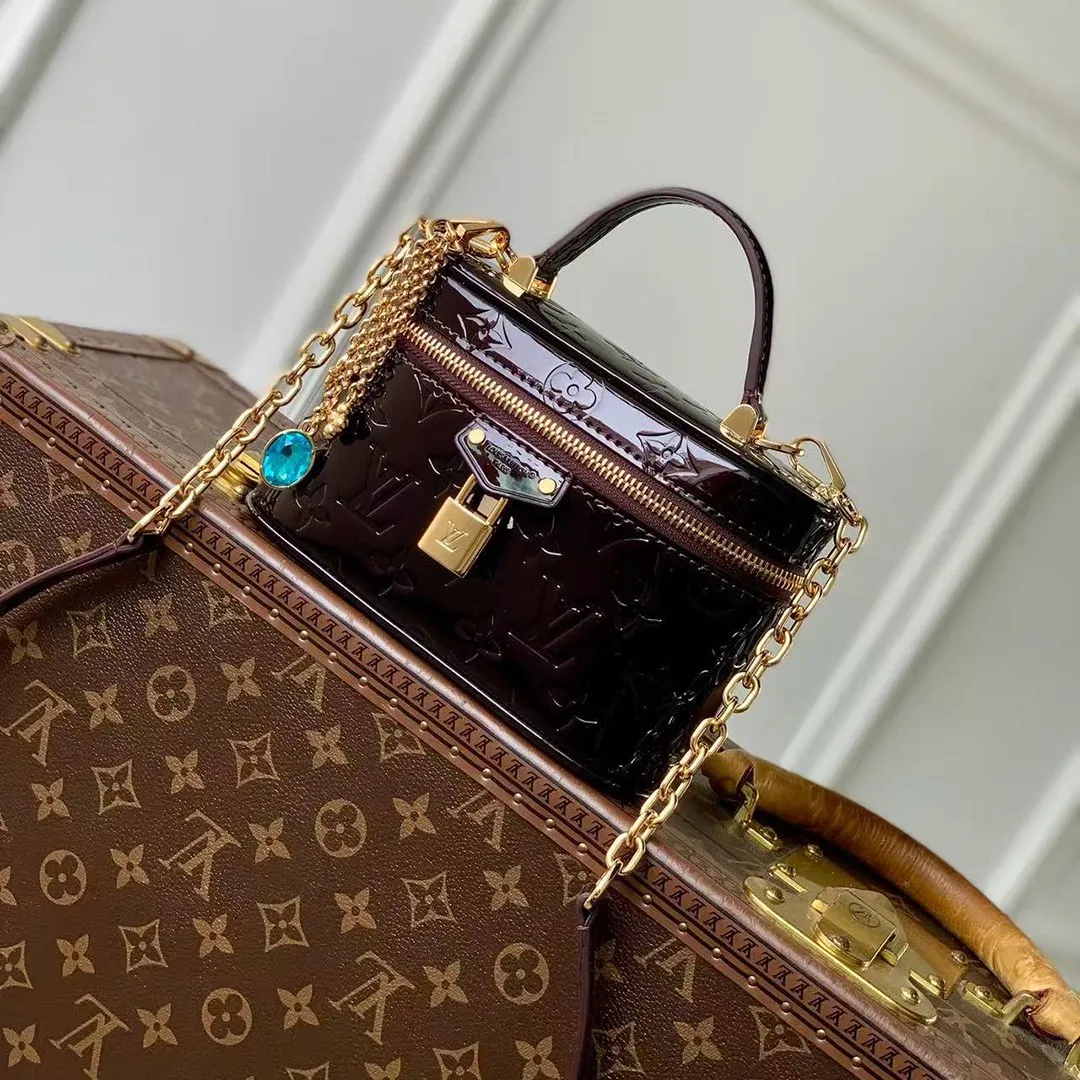
If the smell is gone but the bag still isn’t right for you, there’s no shame in a fresh start — our women’s designer-inspired handbag collection has plenty of new-scent options.
Related reading: How to Care for Your Leather Handbags: Cleaning, Conditioning, Storage · The Complete 101 Buying Guide · The Best Leather Conditioners for Handbags (and How Often to Use Them) · How to Remove Scratches from a Leather Bag: What Works and What Doesn’
For the industry perspective, Leather Naturally publishes regular updates on this space.