

Shoe Gift Guide: Choosing Footwear as a Gift That Always Fits
August 12, 2026Accessory Care: Keeping Belts, Scarves, Sunglasses & Jewelry Like New
August 12, 2026Accessories are where style actually happens. The same outfit with a good belt, a scarf, a pair of sunglasses, and a piece of jewelry looks deliberate; without them it looks unfinished. And yet accessories are also where people waste the most money, because they are small, cheap, and easy to buy on impulse, which means most people own a drawer full of accessories they never wear and nothing they actually love.
I have been through the full arc: the drawer of impulse belts, the sunglasses that sat unworn, the jewelry that tarnished in a month. This guide is the system that fixed it. You will learn how to judge quality in each accessory category, how to build a small collection that actually gets worn, and how to match accessories to your wardrobe without overthinking it.
The Accessory Mindset: Fewer, Better
Before any category-specific advice, the mindset matters. The most common accessory mistake is accumulation without curation: buying small things because they are cheap, then wearing none of them. The fix is the fewer-better rule: buy fewer accessories, buy them better, and wear them all. A single quality leather belt outlasts and outshines five fashion belts. One good scarf in a color that works with your wardrobe gets worn weekly; five pretty scarves in colors that match nothing sit in the drawer.
This rule changes how you shop. Instead of buying accessories because they are on sale or because they are pretty in the moment, you buy accessories because they complete specific outfits you already own. The accessory earns its place in your wardrobe, and the drawer of regret stops growing.
Belts: The Foundation Accessory
The belt is the most functional accessory and the most underrated. It holds your trousers up, defines your waistline, and connects the top and bottom of your outfit. A quality belt is full-grain leather with a solid buckle and clean edge finishing. The buckle should feel substantial, not stamped from tin, and the leather should be thick enough to hold its shape without being stiff.
Sizing matters: the belt should be measured by the hole you actually use, not the length of the strap. A belt that is too long flops at the end; a belt that is too short strains the holes. The rule is simple: the end of the belt should just reach the first belt loop past the buckle when worn at your normal hole. Buy one size up from your waist if you are between sizes, because you can always add a hole; you cannot add length.
Color follows the leather family rule: match the belt to your shoes. Black with black, brown with brown. For most people, two belts, one black, one brown, cover the entire wardrobe. Add a casual belt, canvas or braided, and a dress belt, and you have the complete belt system.
Scarves: The Versatility Champion
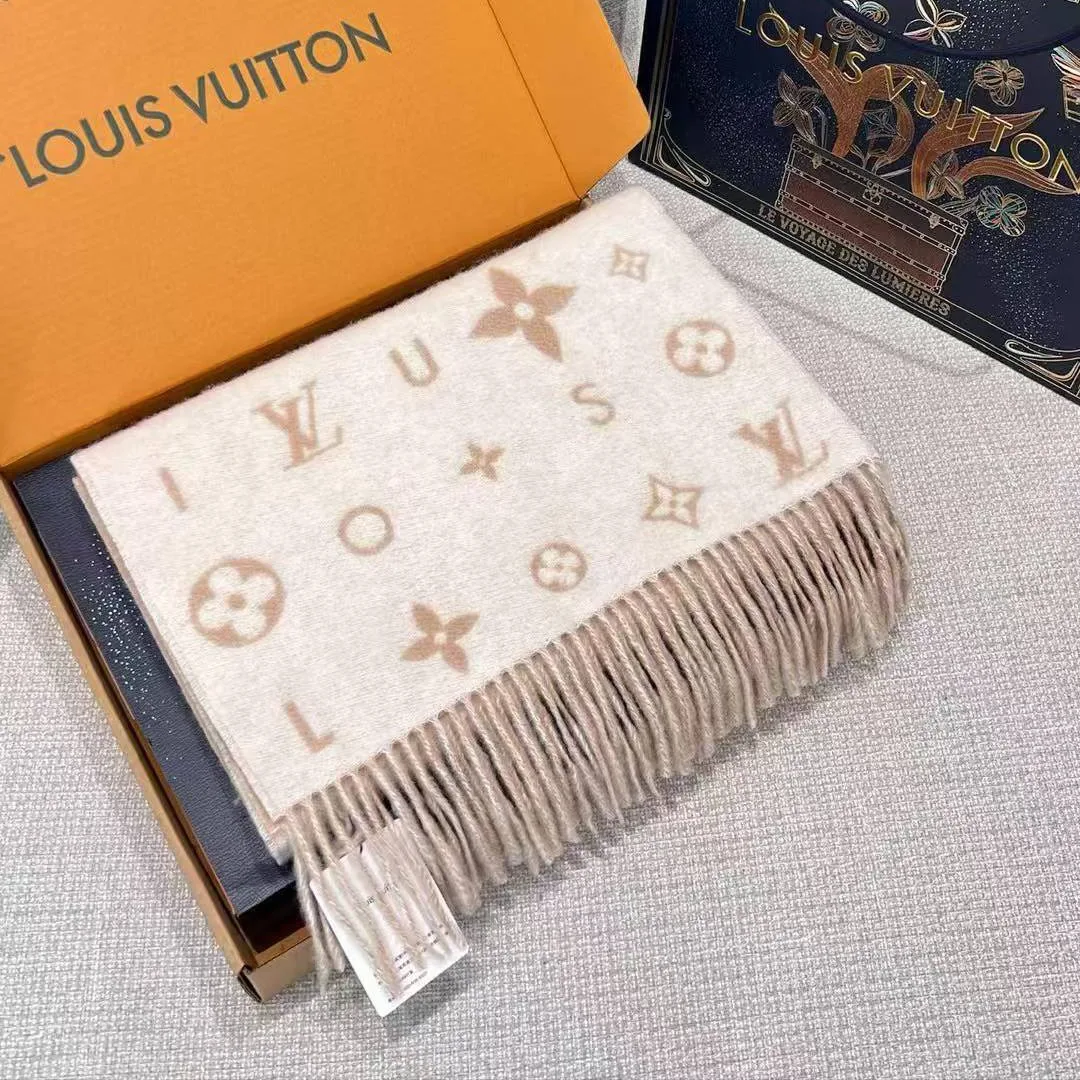
The scarf is the most versatile accessory per dollar, because it does so many jobs: warmth, color, texture, and a focal point for plain outfits. Quality matters more than quantity, and the quality signals are material and edge finishing. Silk scarves should be made from real silk, with hand-rolled or neatly hemmed edges, and they drape and tie beautifully. Wool and cashmere scarves should be soft, dense, and free of pilling, and they should feel warm without being itchy.
Color strategy for scarves: buy the scarf to match your existing wardrobe, not to make a statement you will tire of. A scarf in a color that appears in your coats and sweaters gets worn constantly. A scarf in a color that matches nothing gets worn twice. The safe buys are the tones that already live in your wardrobe, plus one statement scarf for the days you want it.
Sunglasses: Fit, Protection, and Style
Sunglasses are the accessory where protection and style meet, and the protection part is non-negotiable. Quality sunglasses block 100 percent of UVA and UVB rays, and this should be the first check on any pair, regardless of price. A cheap pair that blocks UV is better for your eyes than an expensive pair that does not, which means the label matters less than the lens spec.
Fit is the second priority. The frame should match the shape of your face: round faces suit angular frames, square faces suit rounder frames, oval faces suit most shapes. The frame should sit comfortably on your nose and ears without pinching or sliding, and the lens width should roughly match your cheekbone width. When in doubt, the classic shapes, aviator, wayfarer, and round, fit most faces and never look dated.
Style follows the same rule as everything else: neutral frames in black, tortoise, or metal work with everything; colored and shaped frames are statements for the confident days.
Jewelry: The Fewer-Better Rule in Action
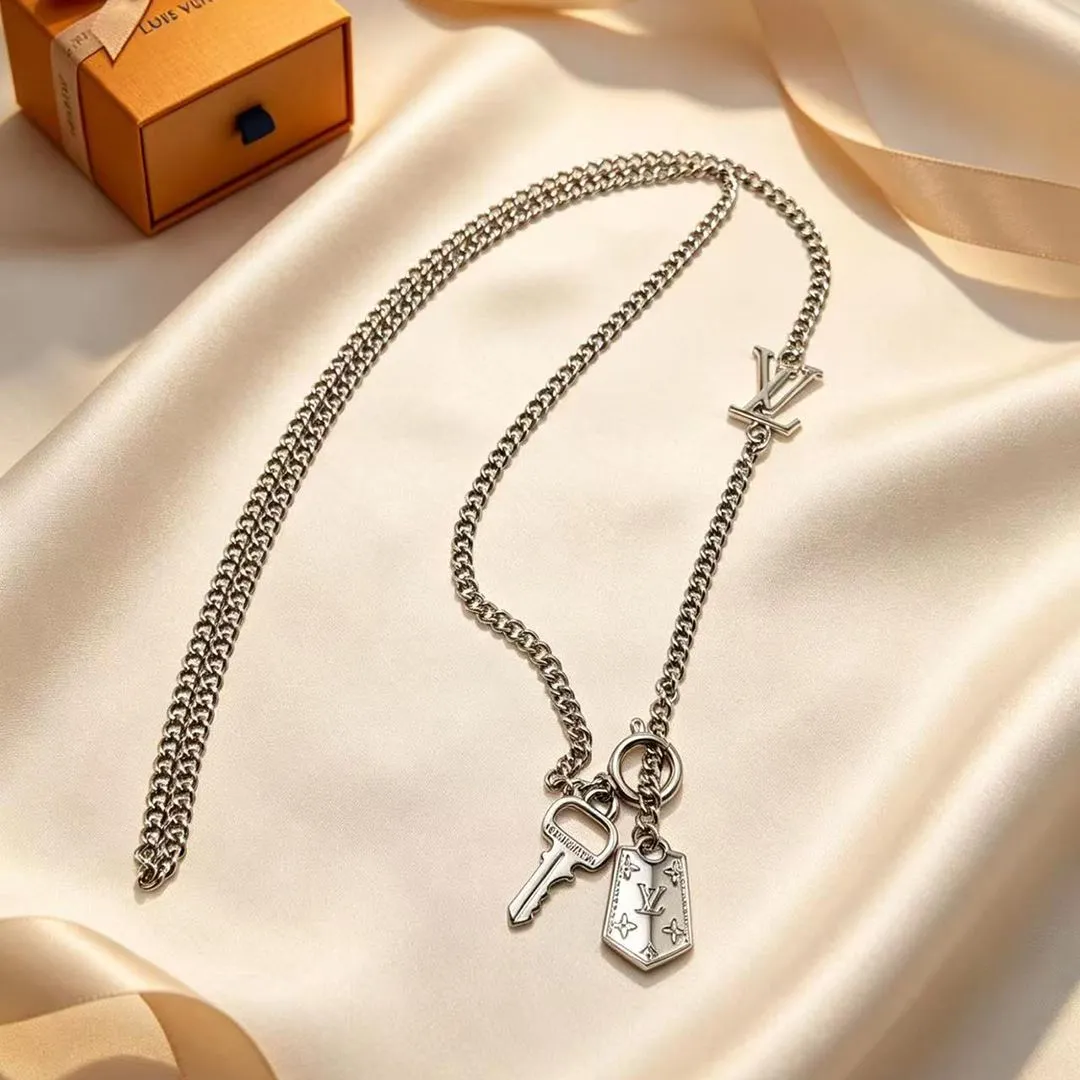
Jewelry is where the fewer-better rule matters most, because jewelry is the most personal accessory and the most prone to accumulation. The strategy: buy fewer, better pieces, and buy them in metals that match your existing jewelry. If you wear gold, buy gold. If you wear silver, buy silver. Mixing metals can work, but it works deliberately, not accidentally.
Quality signals in jewelry: weight, which should feel substantial; finish, which should be smooth and even; and the clasp, which should be secure and easy to operate. Sterling silver, gold-filled, and solid gold pieces last; cheap plated pieces tarnish and flake. One quality chain, one pair of earrings, one watch, and one meaningful piece is a complete jewelry wardrobe for most people.
Small Leather Goods: The Quiet Workhorses
Wallets, card holders, key holders, and small organizers are the accessories everyone uses and nobody thinks about. They are also the accessories where quality shows the most, because they are touched constantly. A full-grain leather card holder wears beautifully and lasts years; a bonded leather one peels within months. The buying rules are the same as bags: full-grain leather, tight stitching, solid hardware, clean edges. And the style rule: match the small goods to your bag and belt leather family.
Building Your Accessory System
Here is the complete accessory system for most people, built on the fewer-better rule:
- Two belts: one black, one brown, both full-grain leather
- Two or three scarves: one silk, one wool, one statement
- One or two pairs of sunglasses: a classic shape and a statement shape
- Two or three jewelry pieces: one chain, one pair of earrings, one meaningful piece
- One wallet or card holder in quality leather
- One watch, if you wear one, with a strap in your leather family
That is roughly ten pieces, and they complete almost every outfit you own. Buy them well, wear them all, and the drawer of regret disappears.
Watches: The Accessory That Ties It Together
The watch deserves a place in the accessory system, because it is the accessory most people already own and least people coordinate. The watch is jewelry, a tool, and a leather accessory at once, and its styling rules are the same as everything else: the strap joins the leather family, so a brown leather strap should pair with brown shoes and belt, a black strap with black. The metal of the case joins the metal family, gold with gold, steel with silver.
For most people, one watch in the right metal and leather family completes the accessory system without adding anything new. And the buying rule for watches mirrors the rest: buy the classic in quality, the steel or gold case with a leather strap you can replace, and it will outlast three fashion watches. The watch is the accessory that proves the fewer-better rule, because one good one beats a drawer of dead batteries.
Building Your Accessory System on a Budget
Quality accessories are an investment, but the system can be built on a budget with the right order of purchases. Start with the two belts, black and brown, because they are the foundation of the leather family and the cheapest quality pieces in the system. Add the wallet or card holder next, because it is used daily. Then the scarf, because it is the highest-impact piece per dollar. Sunglasses and jewelry come last, because they are the most personal and the easiest to get wrong.
The budget order matters because each purchase makes the next one work better: the belts establish the leather family, the wallet completes the daily carry, the scarf adds the statement capability, and the sunglasses and jewelry finish the system. Spread the purchases over months if needed, and each piece will feel earned rather than impulsive. The complete system, built in the right order, costs less than the drawer of impulse accessories most people accumulate, and every piece in it gets worn.
Shopping Channels: In Store vs Online
The shopping channel changes the accessory buying experience, and each has its rules. In store, the advantage is the feel: you can touch the leather, test the belt flex, try the sunglasses, and check the scarf drape. The in-store rules: shop with your existing pieces when possible, so you can match the leather and metal families, and test everything, the belt hole positions, the sunglasses fit, the scarf knot, before buying.
Online, the advantage is selection and price, and the rules are about verification: check the return policy before buying, read the material descriptions carefully, and verify the seller’s reputation, because the accessory market has its share of bonded leather sold as full-grain. The online buyer should buy the classic styles online, where the fit is predictable, and the statement pieces in store, where the feel matters most. The channel is a tool, and the buyer who uses both channels with their rules buys better than the buyer who uses either alone.
Related Guides in This Series
The Complete 101 Buying Guide · Accessory Trends: The Accessories Everyone Will Be Wearing · How to Style Accessories: Belts, Scarves, Sunglasses & Jewelry Done Ri
Ready to build your system? Browse our designer-inspired accessory collection and find the pieces that complete your wardrobe.
For more on the accessories market, Vogue Business covers the trends shaping fashion accessories.
For the industry perspective, The Vision Council publishes regular updates on this space.