

Gift Trends: What People Actually Want as Gifts This Year
August 13, 2026The same leather gift, presented two different ways, lands two completely different ways. One version is handed over in a plastic bag with a shrug; the other arrives in a proper box, wrapped carefully, with a note that explains why this piece and no other. Same wallet, same bag, same belt. The first is a transaction. The second is a memory. The difference is not money, it is the presentation, and presentation is a skill anyone can learn.
This guide covers the art of the leather gift presentation: the wrapping, the note, the personalization, and the timing. These are the details that turn a purchase into a keepsake, and they matter more than the price tag.
Why Presentation Is Part of the Gift
Leather gifts have an advantage over every other category: they last for years, which means the memory of the giving lasts with them. Every time the recipient reaches for the wallet, the bag, the belt, they replay the moment they received it. The presentation is what makes that replay warm, and it is the difference between a gift that is used and a gift that is remembered. The wrapping is not decoration, it is the first chapter of the gift’s story, and a good first chapter makes the whole story better.
The psychology is simple: effort signals love. A gift that arrives wrapped carefully, with a note, reads as chosen, not purchased. The recipient does not need to know how long the wrapping took, they just need to feel that it happened, because the feeling is the gift.
The Wrapping: Proper Materials, Proper Technique
Leather deserves real wrapping. A quality box, real tissue paper, and proper gift wrap, or a cloth gift bag for the soft pieces. The rules are simple: the box should fit the piece without crushing it, a handbag in a box that is too small is a handbag that arrives dented; the tissue should protect the piece, especially the hardware, which scratches; and the wrap should be clean, not perfect, because a slightly imperfect wrap reads human and generous, while a perfect store-bought wrap reads corporate.
For leather specifically, two wrapping rules matter. First, wrap for protection: the hardware, the corners, and the straps should be padded, because a dented gift is a disappointment regardless of the paper. Second, keep the piece visible in the reveal: the moment of unwrapping should land on the leather, not on ten layers of paper. A simple wrap with the piece revealed quickly beats an elaborate wrap that hides it for a minute.
The Note: The Sentence That Makes It a Gift
The note is the most powerful presentation tool, and it costs nothing. The effective note does one thing: it connects the gift to something specific about the recipient. “You mentioned your wallet was falling apart, so I found one that will last.” “You carry so much for everyone, I wanted you to carry something beautiful.” “This is the color of the coat you always wear.” The specific connection is what converts the purchase into a gesture, and it is the part the recipient will remember longer than the gift itself.
The note should be handwritten if possible, short if not, and specific above all. A generic “Happy birthday, hope you like it” is a missed opportunity. The specific sentence is the difference between a gift and a delivery, and it takes thirty seconds to write.
Personalization: The Gift That Cannot Be Duplicated
Personalization is the gift within the gift. A monogram on a wallet, an initial on a card holder, a meaningful date engraved on a key holder, a custom emboss on a passport cover. Personalization does three things: it makes the piece impossible to duplicate or regift, it shows the giver invested in the specifics, and it turns a useful object into a keepsake. Leather takes personalization beautifully, and the range is wide: embossing, engraving, monograms, initials, dates, and short messages.
The rules of leather personalization: keep it subtle, because a loud personalization makes the piece less wearable; place it where the owner sees it, the inside of a wallet, the corner of a card holder, rather than where the world does; and personalize the classic, never the trend, because a personalized trend piece is a personalized regret. When done right, the personalization is the detail the recipient discovers, smiles at, and keeps forever.
Timing and the Reveal
The timing of the reveal is part of the presentation. The best moments: the private moment, one-on-one, where the reaction is genuine; the milestone moment, birthday, anniversary, promotion, where the gift carries the occasion; and the ritual moment, the holiday morning, the dinner, where the gift joins the celebration. The reveal should let the recipient open at their own pace, without rushing, because the unwrapping is part of the pleasure.
One timing rule for leather specifically: do not give leather in bad weather. A leather gift opened in the rain, or carried home in a storm, starts its life at a disadvantage. If the weather is bad, present it indoors, or wrap it with an extra protective layer. The first hour of a leather piece’s life matters, and the giver controls that hour.
The Care Reveal: The Gift That Keeps Giving
The final layer of presentation is the care reveal: the moment you hand over the care knowledge with the piece. A small care card, a microfiber cloth, a conditioner, included with the gift, turns the presentation into a ritual. “This leather will look better every year, and here is the ten-minute trick.” The care reveal does three things: it protects the gift, it shows the giver thought beyond the purchase, and it creates the ritual that keeps the gift alive. The gift that comes with its maintenance is the gift that lasts, and the gift that lasts keeps reminding them of you.
The Unwrapping Experience: Designing the Moment
The unwrapping is a designed moment, and a little design makes it memorable. Plan the order of the reveal: the outer wrap, the box, the tissue, the piece, and finally the note, each layer adding anticipation. For leather specifically, the reveal should land on the senses: the sight of the leather, the smell of it, the weight of it in the hands. Let the recipient hold it before you explain it, because the first touch is the moment the gift becomes real.
Time the reveal for when there is time: a rushed unwrapping between errands is a wasted gift, and a relaxed unwrapping with the recipient’s full attention is a memory. If you are giving in person, watch the reaction and let it guide the conversation, whether it is joy, surprise, or the quiet smile of someone who knows they are known. The unwrapping experience is the gift’s first chapter, and a designed first chapter makes every later chapter better.
Gifting for Specific Occasions
The occasion shapes the presentation as much as the piece. For a birthday, the gift is the celebration, so the reveal should be part of the party, wrapped brightly and opened with witnesses. For an anniversary, the gift is the relationship, so the presentation should be intimate, one-on-one, with a note that ties the piece to a memory. For a promotion or milestone, the gift is the recognition, so the reveal should mark the achievement, and the piece should carry the story of the work that earned it.
For holidays, the gift joins a ritual, so the presentation should match the ritual, under the tree, in the stocking, at the dinner. And for no reason at all, the surprise gift, the presentation should be minimal and the timing immediate, because the surprise is the point. The occasion is the frame for the gift, and the frame is part of the picture, so match the presentation to the moment, and the moment will carry the gift. A leather gift given at the right moment, with the right frame, becomes the gift they retell for years, and the retelling is the return on the presentation.
The Budget: What Presentation Should Cost
The presentation does not need to cost much, and the budget allocation says something about the giver. The wrapping, the box, the tissue, and the card should be a small fraction of the gift, because the piece is the gift and the presentation is the frame. A simple wrap with a handwritten note beats an elaborate box with a generic card, every time, because the note is the personal element and the box is just packaging.
The care kit, the cloth, the conditioner, and the care card, is the presentation expense that pays back, because it protects the gift and shows the thought. The personalization, the monogram or engraving, is the presentation expense with the highest return, because it makes the gift impossible to duplicate. The budget rule: spend on the note, the care, and the personalization, save on the box and the ribbon, and the presentation will read as thoughtful rather than expensive, which is the reading that matters.
The Unwrapping as Ritual
The unwrapping itself is a ritual, and a small ritual beats a big production. The elements: a moment of quiet, the recipient’s full attention, the box in their hands before the paper comes off, and the pause before the reveal. The pause matters most, because anticipation is the emotion that makes the reveal land. The unwrapping should not be rushed, and it should not be performed, it should simply be given time, because the time is the respect the gift pays to the recipient.
The ritual continues after the unwrap: let the recipient hold the piece, examine the leather, work the hardware, and discover the details at their own pace. The first touch, the first smell, the first flex, these are the moments the recipient will replay every time they use the piece, and the giver who lets them happen is the giver who understands that the gift is not the object, it is the moment the object becomes theirs.
Related Guides in This Series
The Complete 101 Buying Guide · The Ultimate Gift Guide for Bag & Leather Lovers: What to Buy, What to · Gift Trends: What People Actually Want as Gifts This Year
Ready to give a gift that lands? Browse our designer-inspired leather goods collection, and let the presentation do the rest.
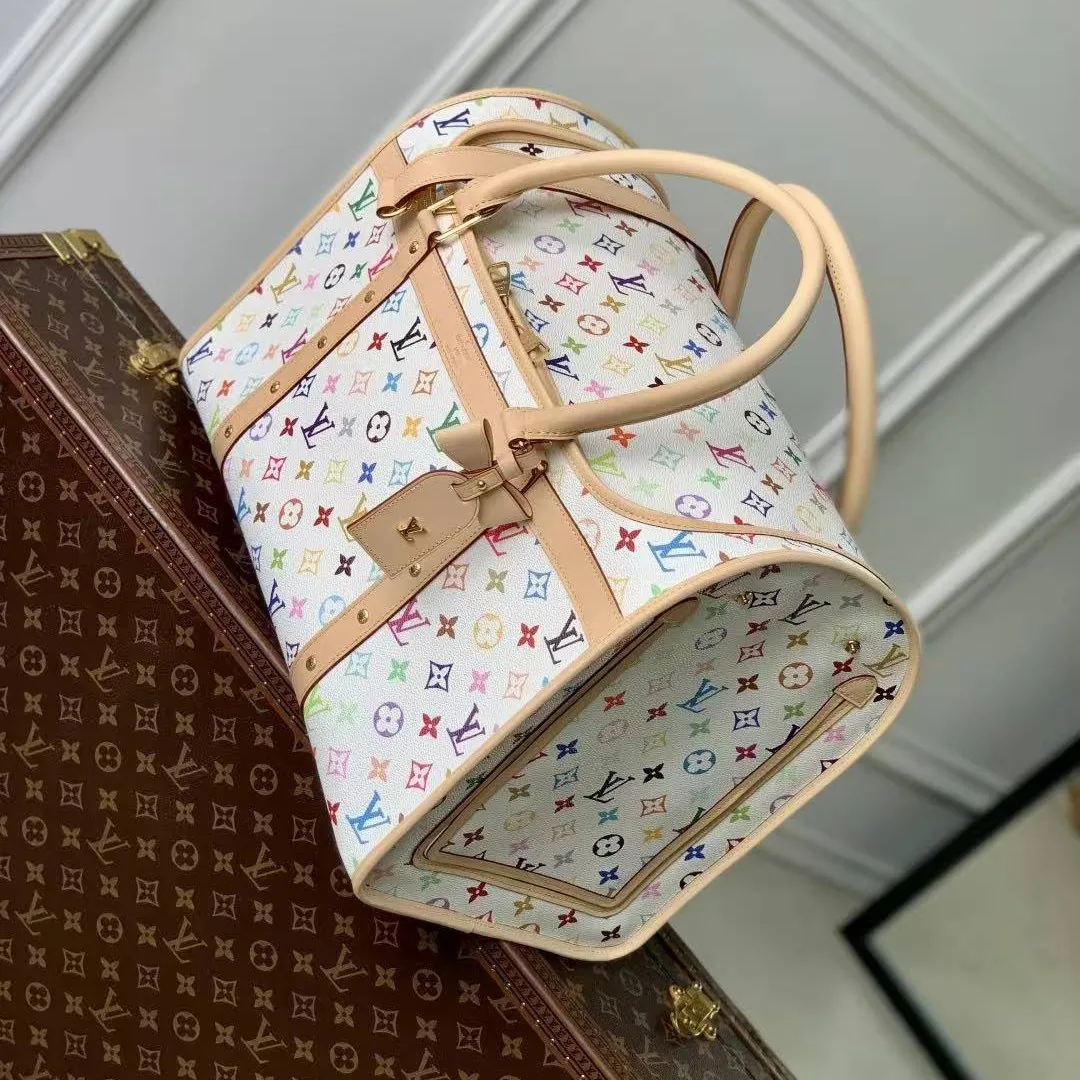
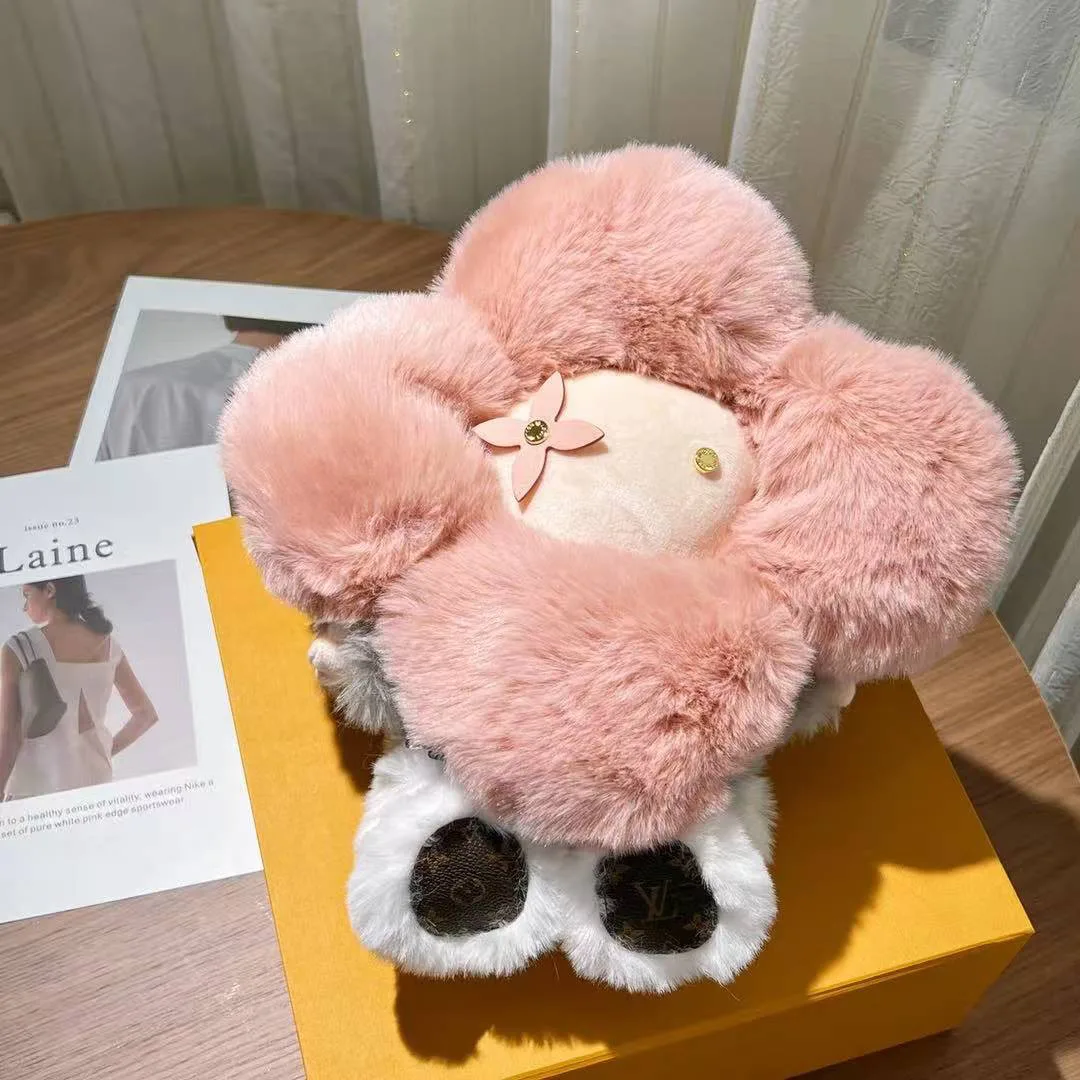
For gift presentation trends, WWD covers how luxury gifting is evolving.
Industry data and professional guidance from Leather Working Group support this view.