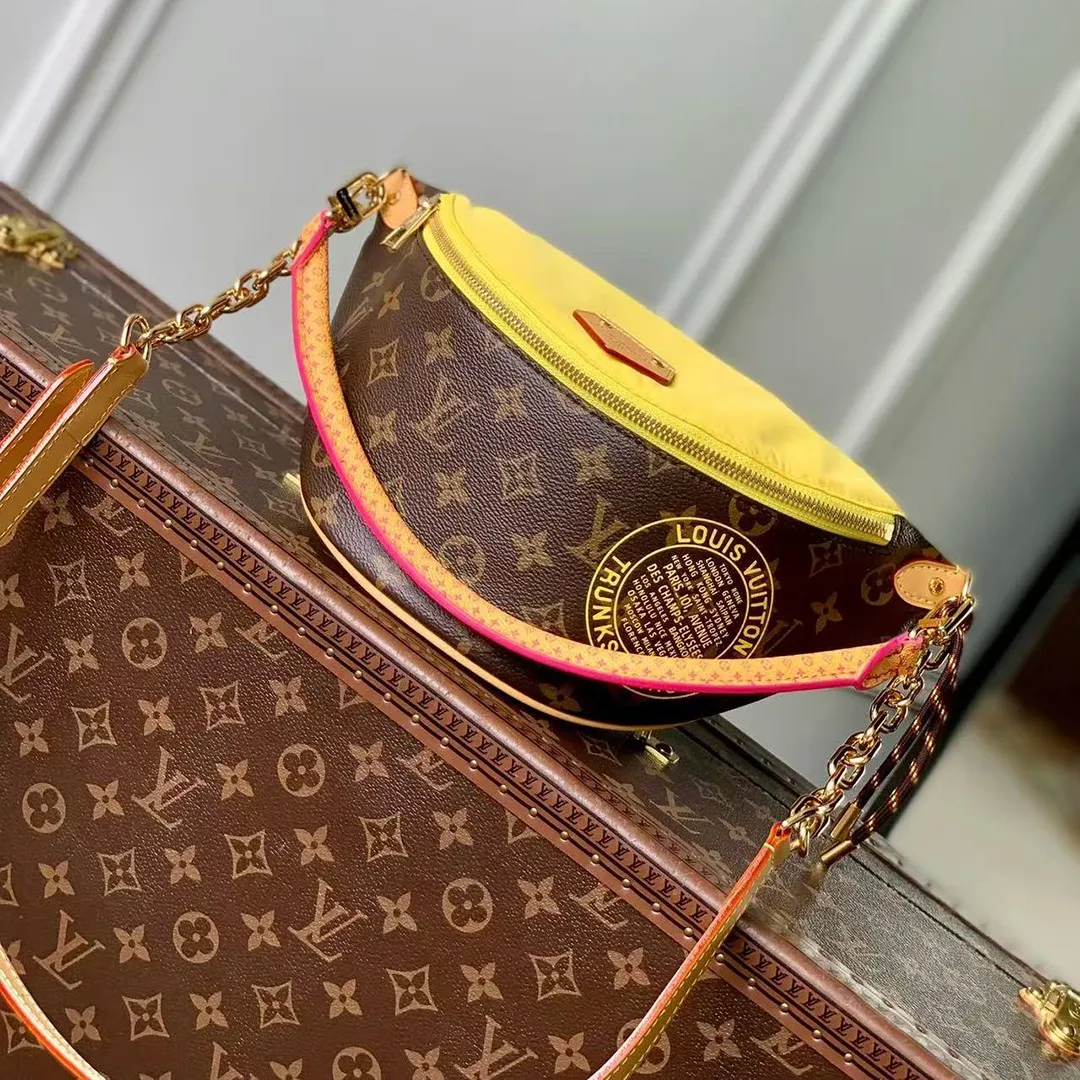
Gift Styling: How to Make a Gifted Bag or Accessory Part of Their Style
August 12, 2026Packing lists are everywhere, and most of them are useless because they are written for a hypothetical traveler who visits every climate in one trip. The real skill is building your own packing system: a checklist you can run through in fifteen minutes that covers everything your specific trip needs. Here is how to build one that works.
I have packed for weekend city breaks, two-week backpacking trips, and business travel, and the system that finally clicked is built around three layers: documents, clothes, and the little things everyone forgets.
The Documents Layer
Start with the non-negotiables. Passport or ID, boarding passes or booking confirmations, and your wallet. Put these in one place, ideally a secure pocket or pouch that stays on you, not in your checked bag. Add photocopies or photos of your documents in your phone as backup, plus the numbers to cancel your cards if they get lost.
Think about the practical paperwork too: hotel reservation confirmations, travel insurance details, and any visas or vaccination records your destination requires. A folder or pouch that keeps these together saves an hour of panic at the airport or border.
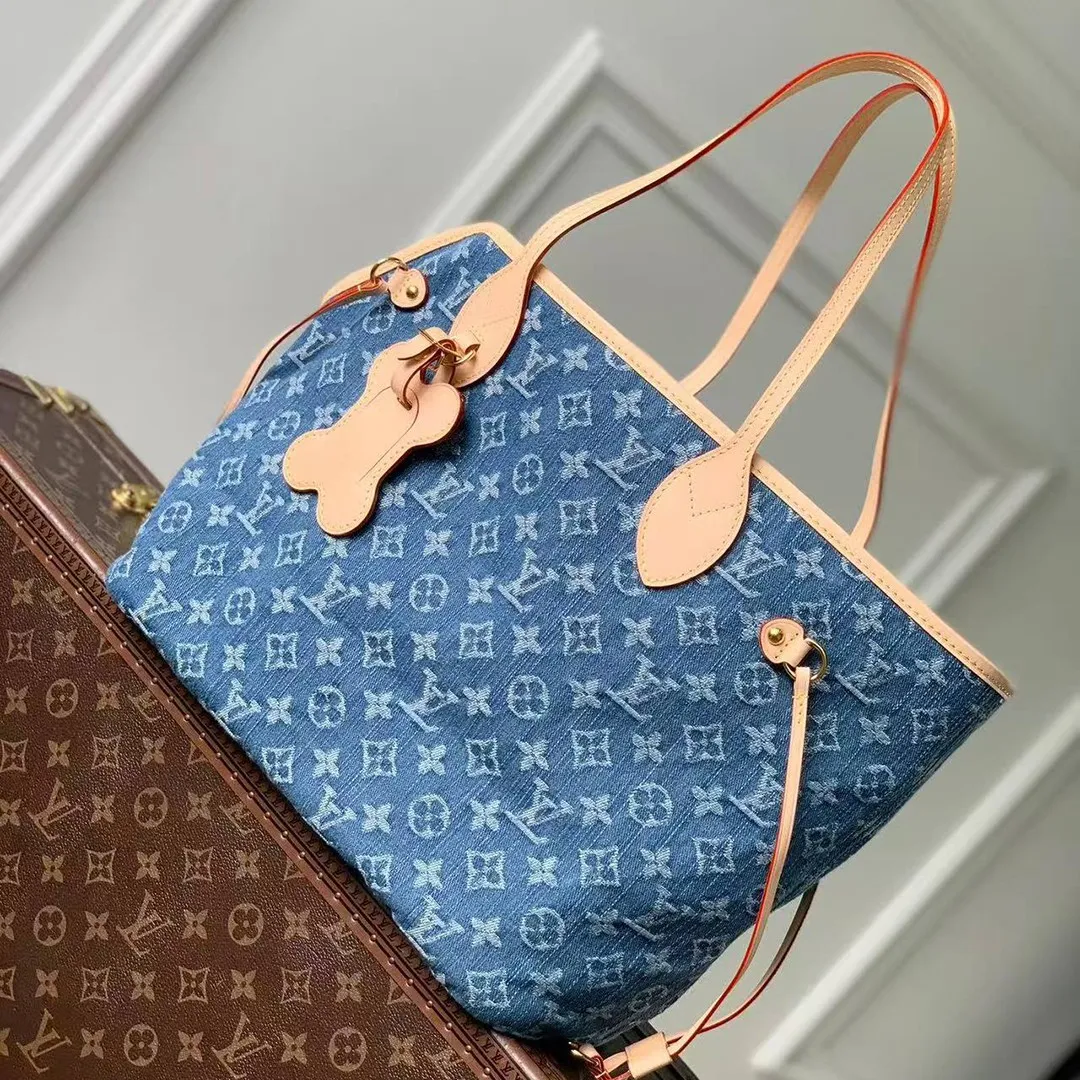
The Clothes System
Clothes should be packed as a system, not a pile. Choose a small color palette so everything mixes and matches, which lets you pack fewer pieces and still have outfits. Roll clothes to save space and reduce wrinkles. Plan for layers rather than specific outfits: a base layer, a mid layer, and an outer layer adapt to weather changes better than one heavy outfit.
Shoes are the biggest space thief. Limit yourself to two pairs: one you wear on travel days and one packed for your destination. Pack the heavier or bulkier items on your body during transit. And unless your trip is very short, plan for laundry: fabrics that dry fast, or a hotel with a washing machine, halves your clothing needs.
The Forgotten Essentials
The small items everyone forgets are the ones that make or break a trip. Phone charger and power bank, with the right adapters for your destination. A reusable water bottle to fill after security. Medications, with enough for the whole trip plus a few extra days. Earplugs and an eye mask for flights and noisy hotels. A small first-aid kit with plasters, painkillers, and stomach remedies.
Add the destination-specific items: sunscreen and a hat for warm places, a scarf and gloves for cold ones, insect repellent for tropical trips. And always pack a change of clothes and your toiletries in your carry-on, because checked bags get lost, and the first night in a strange city is easier when you are not wearing yesterday’s shirt.
The Carry-On Strategy
Carry-on only is achievable for most trips of a week or less, and it removes the biggest travel risks: lost luggage, baggage fees, and carousel waits. The key is discipline: if it does not fit in your carry-on with room to spare, it does not go. Compression cubes help, and so does wearing your bulkiest items during transit.
If you must check a bag, make your carry-on the one that contains everything you would need if the checked bag vanished: documents, meds, chargers, a change of clothes, and your essentials. Pack the checked bag knowing it might be gone for days.
Build Your Own Checklist
Once you have packed this way once, write down your list. Keep it on your phone or in your notes app, organized by the three layers: documents, clothes, essentials. Before every trip, run the list, adjust for the destination, and pack. It takes fifteen minutes, and it removes the “did I forget something?” dread that hangs over packing day.
The goal is not to bring everything. It is to bring exactly what you need and nothing you do not, so you can spend the trip being present instead of managing your luggage.
Travel smarter with the right bag: explore our designer inspired travel collection or browse women’s bags for your carry-on companion.
More packing wisdom: the Quora thread has travelers sharing their hard-won packing lists.