

Accessory Gift Guide: Small Leather Goods & More That Make Great Gifts
August 12, 2026Gift Care: How to Help Someone Care for the Leather Gift You Gave
August 12, 2026Buying a gift for someone who loves bags and leather goods should be easy, and it is anything but. The problem is that leather lovers have taste, and taste is personal. The bag lover has strong opinions about shapes, leathers, hardware, and colors, and a gift that misses any of those opinions is a gift that gets politely kept and never used. Yet leather is also the most rewarding category to gift, because a quality piece is used daily for years, and every use is a reminder of the giver.
This guide is the system for buying leather gifts that land: how to read a leather lover’s taste, which pieces are safe bets at every budget, which are traps, and how to handle the personalization that turns a purchase into a keepsake.
Read the Leather Lover’s Taste
Leather lovers announce their taste constantly, and the reading is easy once you know what to look at. The shape of their daily bag tells you their preferred silhouette. The color of their accessories tells you their leather family. The condition of their wallet tells you whether they carry quality or abuse it. The brands they mention, the pieces they admire, and the complaints they make, “I need a smaller card holder,” “this strap digs in,” are the gift openings.
The two questions that matter most: neutral or statement? Some leather lovers live in black, tan, and brown; others reach for color and texture. And classic or trend? Some want the timeless shapes; others want whatever is current. Getting these two answers right eliminates most of the risk, and you can get them right by observation alone.
The Safe Bets at Every Budget
Under fifty: small goods
Card holders, key holders, and small organizers are the safest leather gifts at any budget. They are used daily, they never have a sizing problem, and quality versions exist at every price point. A full-grain leather card holder in a classic color is a gift that gets carried every day, and it is the entry-level leather gift that never misses.
Fifty to one-fifty: belts, wallets, and scarves
The middle band covers the workhorses: a quality leather belt in their shoe color, a full-grain wallet in their preferred style, a silk or cashmere scarf in a color from their wardrobe. These are gifts that get worn constantly and last for years. The wallet is the classic here, because most leather lovers are carrying one that is older than they would admit.
One-fifty and up: bags and weekenders
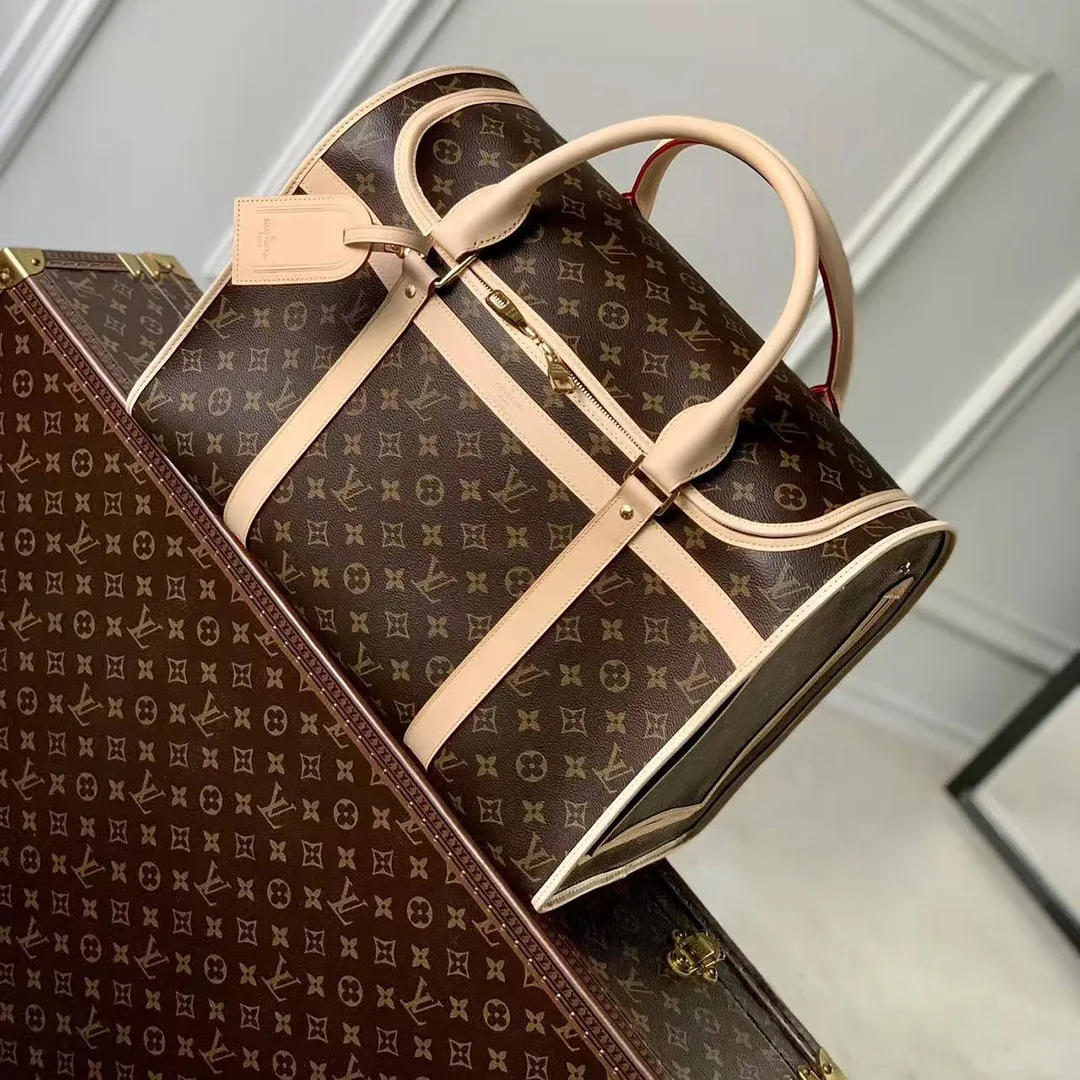
The top band is for the significant pieces: a handbag, a men’s leather backpack, a weekender, a structured briefcase. These are the gifts that require the most reading and deliver the most reward. The safe versions are the classics: a neutral tote or satchel, a tan or brown leather backpack, a weekender in full-grain leather. The rule: buy the classic version of the shape they already carry, never the trend, never the statement color.
What to Skip, Even for Leather Lovers
Some leather gifts are traps even for the people who love leather. Trend pieces are the first trap: a leather lover knows a dated bag when they see it, and a trend gift says you did not read their taste. Loudly branded pieces are the second trap, because logo-heavy is cooling and the piece will date itself. Anything that clashes with their existing leather, a black bag for the brown-leather lover, is the third trap. And the fourth trap is the “practical” gift that is not practical for them, a briefcase for someone who works from home, a weekender for someone who never travels, the mismatch reads as not knowing them.
Personalization: The Gift That Becomes a Keepsake
Leather takes personalization beautifully, and it is the single highest-leverage upgrade in leather gifting. A monogram on a wallet, an initial on a card holder, a meaningful date on a passport cover, a custom engraving on a key holder. Personalization does three things: it makes the gift impossible to duplicate, it shows the giver thought, and it turns a useful object into a keepsake. The rule: personalize the classic, not the trend, and keep the personalization subtle, because a leather lover wants the piece to stay wearable.
Presentation and the Receipt Question
Leather gifts deserve real presentation: a proper box, real tissue, and a note that connects the gift to something you noticed. The note is what converts a purchase into a gesture, and it is the part people remember. Include the receipt, discreetly, in the box. For leather, where taste is personal, a gift receipt is not an insult, it is insurance, and most leather lovers will never use it but will appreciate the option.
Budget and the New Gift Math
The new gift math is simple: one excellent thing beats several adequate things. The budget conversation has shifted accordingly, and quality leather goods now occupy the center of the gift market precisely because they justify the budget. A full-grain leather piece at a moderate price outlasts three cheap pieces and reads as more generous, because generosity is measured in thought and longevity, not in box count.
If the budget is tight, the small leather good, the card holder, the key holder, is the honest answer, because it is used daily and lasts for years. And if the budget is generous, the rule is the same: one excellent piece in the right shape and color beats a bigger piece in the wrong one. The budget does not buy the gift, the reading of their taste does.
Gifting to Specific Leather Lovers
Different leather lovers want different things, and the gift should match the person, not the category. The daily-carrier, the person whose bag and wallet are part of the uniform, wants the upgrade of what they already carry, the better version of their daily pieces, because it confirms their taste. The collector, the person with a rotation of pieces, wants the considered addition, the classic they do not have, in the leather family they favor, because it extends their system.
The minimalist wants the one excellent piece that replaces several mediocre ones, the single card holder that covers their needs. And the beginner, the person new to quality leather, wants the entry classic, the small good that introduces them to full-grain leather without overwhelming them. Read which type your leather lover is, and the gift writes itself: upgrade, addition, replacement, or introduction, the four modes of leather gifting cover every recipient.
The Four Gift Modes: Upgrade, Addition, Replacement, Introduction
Every leather gift falls into one of four modes, and matching the mode to the recipient is the whole skill. The upgrade: the better version of what they already carry, a full-grain version of their worn-out wallet, a quality bag that replaces the scuffed one. The upgrade is the safest mode, because it confirms their taste instead of guessing it. The addition: the piece that extends their collection, a second color in their leather family, a shape they do not own, which works for the person with a rotation.
The replacement: the piece that solves a known problem, the card holder for the wallet they complain about, the weekender for the man who travels with a trash bag. The replacement is the most thoughtful mode, because it answers a need they have voiced. And the introduction: the first quality leather piece for someone new to the category, a small good that opens the door. Read the recipient, pick the mode, and the gift writes itself, because the mode is the meaning.
Gifting the Experience, Not Just the Object
The leather gift can carry an experience with it, and the experience is what makes the gift memorable. The travel gift, the passport cover or weekender, becomes the trip, so pair it with a travel idea, a destination suggestion, a weekend plan, and the object becomes the promise. The work gift, the briefcase or backpack, becomes the career, so pair it with the acknowledgment of their work, the promotion, the milestone, and the object becomes the recognition. The daily gift, the wallet or card holder, becomes the routine, so pair it with a small ritual, the coffee, the weekly lunch, and the object becomes the habit.
The pairing is the difference between a gift and a memory: the object is the anchor, and the experience is the story. The leather piece will last years, and the story will last longer, which is the real return on the gift. The giver who pairs the object with the experience gives twice, and the recipient who receives both remembers both.
The Gift Receipt Question
The gift receipt is the most underrated element of leather gifting, and the question of whether to include it deserves a direct answer: yes, always, discreetly. For leather, where taste is personal and sizing matters, a gift receipt is not an insult, it is insurance. It says the giver wants the recipient to have the piece that works, not the piece that was guessed, and most leather lovers will never use it but will appreciate the option.
The receipt also solves the exchange problem before it happens: if the color or shape is not quite right, the exchange is easy, and the exchanged gift is still the gift, because the intent survives the swap. The rule for the receipt: include it in the box, under the tissue, without mention, and let the recipient discover it only if they need it. The receipt is the safety net that nobody sees and everybody benefits from, and the giver who includes it is the giver who understands that the goal is the recipient’s happiness, not the giver’s perfection.
Related Guides in This Series
The Complete 101 Buying Guide · Gift Trends: What People Actually Want as Gifts This Year · Gift Within a Gift: How to Wrap, Present & Personalize Leather Gifts
Ready to find the gift? Browse our designer-inspired leather goods collection and find the piece that fits their taste.
For market context on why quality leather gifts hold value, Verified Market Research covers the leather goods market.
Industry data and professional guidance from Leather Working Group support this view.
For the industry perspective, Leather Naturally publishes regular updates on this space.