

Shoe Trends: What’s In Fashion for Men’s and Women’s Footwear
August 11, 2026Accessories Buying Guide: Belts, Scarves, Sunglasses, Jewelry & More
August 12, 2026Gifting shoes is the hardest category in gift-giving, and everyone knows it. Shoes have sizes, widths, and tastes, and all three can go wrong even when you are careful. Yet shoes are also one of the most personal and appreciated gifts when they land, because a great pair is worn constantly, and every wear is a reminder of the giver. The secret is not luck, it is process: observe, choose the safe category, handle sizing like an adult, and present it well.
This guide covers the full process: how to read someone’s shoe life without asking, which shoe gifts are safe bets, which are traps, how to handle the sizing problem that scares everyone, and how to present the gift so it lands. Same framework works for gifting to men or women.
Read Their Shoe Life Before You Shop
You cannot choose shoes for someone you have not observed. The good news is the observations are easy, because everyone has visible shoe habits.
Watch what they actually wear
What is the pair they reach for daily? What shape, what color, what material? People do not change their shoe taste dramatically, they evolve it, so the safest gift is the upgrade of what they already wear: the same style in better quality. If they live in sneakers, a quality leather sneaker is a near-certain hit. If they live in boots, a better boot is the gift.
Notice the details
Do they favor comfort or style? Athletic fits or dressy fits? Neutral colors or statements? Leather or suede or canvas? Do they dress up for work or dress down? Every answer narrows the field. Also notice what they complain about: “my shoes are killing me,” “I need new boots,” these are not complaints, they are invitations.
Listen without interrogating
People mention shoes in passing constantly, and compliments are aspirational. If they admire someone’s loafers or mention a style they have been eyeing, store it. These comments are the gift-finding gold.
The Safe Bets: Shoes That Almost Always Work
The comfort upgrade
The safest shoe gift is the comfort upgrade: a quality version of a style they already wear, with better materials and better construction. If they wear cheap sneakers daily, a full-grain leather sneaker is a gift that improves their daily life. If they wear worn-out boots, a quality replacement is an answer to a problem they have been living with. The comfort upgrade never fails because it is not guessing their taste, it is confirming it.
Slippers and house shoes
The underrated safe bet. Quality leather slippers or house shoes are universally appreciated, sizing is more forgiving (they run wide and warm), and almost nobody buys them for themselves. They read thoughtful, practical, and personal, and they are the lowest-risk shoe gift that exists.
Shoe care as a gift
If you are not confident about the shoe itself, gift the care kit: shoe trees, conditioner, waterproofing spray, a polishing kit. It pairs with any shoe they own, shows you understand their shoe life, and extends the life of everything in their closet. It is the gift that keeps giving, and it never has a sizing problem.
The Middle Ground: Shoes With Structure
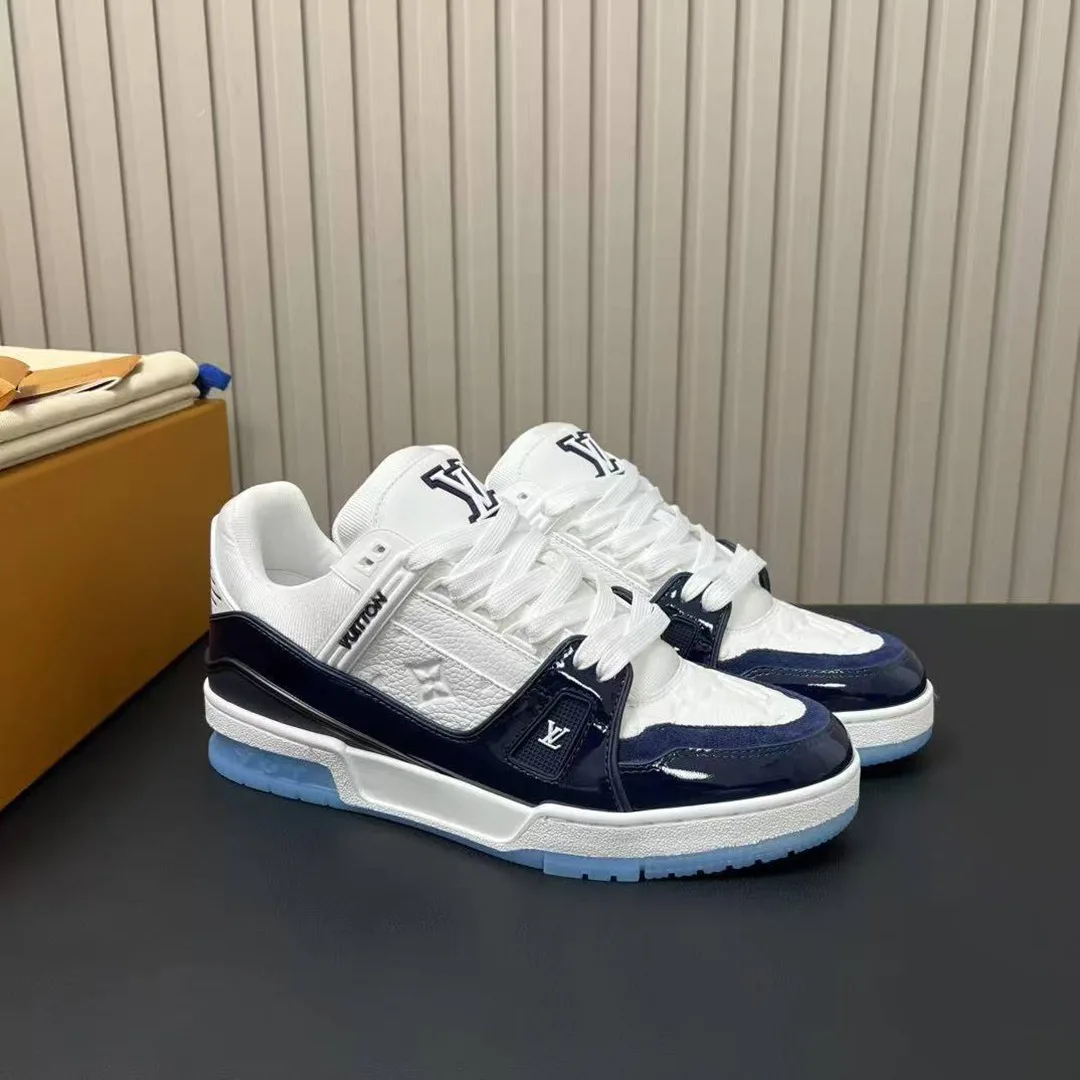
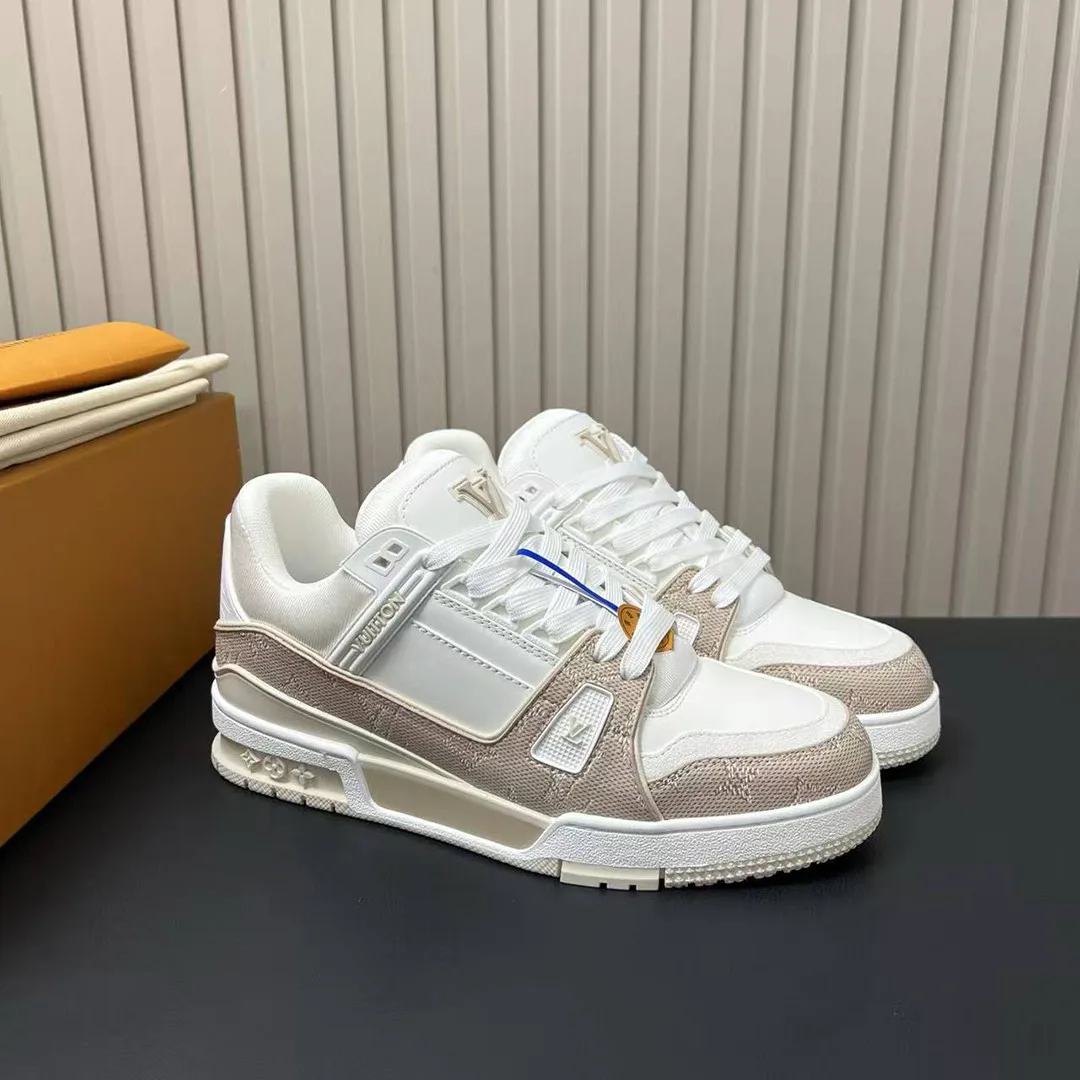
For the step up, choose categories where taste is more universal and sizing is more forgiving. Loafers are the safest structured shoe gift: they fit most outfits, most people, and most occasions, and a quality leather loafer in a neutral color works across genders and styles. Sneakers are safe if you choose a classic, white or neutral leather, in a mainstream shape, avoiding anything loud or limited-edition. Boots are the third option, and they are safest when they are simple: a chelsea boot or a work boot in brown or black, styles that fit most lives.
The common thread is the neutral foundation: neutral colors, classic shapes, quality materials, comfortable construction. The safe structured shoe gift is always the classic version of the practical thing.
The Traps: What to Avoid
Equally important is knowing what not to buy. Trend pieces are the first trap: a trendy shoe dates itself, and a dated shoe is worse than no gift. Statement styles are the second trap: extreme colors, extreme platforms, and runway shapes are for the person who loves them, and you cannot know that from the outside. Anything that clashes with their lifestyle is the third trap: formal shoes for a person who never dresses up, athletic shoes for a person who never exercises, the mismatch reads as not knowing them.
The fourth trap is sizing hubris: buying a size you guessed from memory, for a person whose size you have never confirmed. Shoes are the one gift where the wrong size is a complete failure, and the fix is in the next section.
Sizing: The Problem Everyone Fears, Solved
Sizing is the reason most people never gift shoes, and it is solvable with three techniques. First, observe: if you can borrow or photograph their current shoe, read the size label and the brand, and note that sizes vary between brands, so also note which brand they wear. Second, buy from a store with a clear exchange policy, and include the receipt, discreetly, in the box. A gift receipt is not an insult, it is practical, and for shoes it is almost mandatory. Third, prefer styles that forgive sizing: slippers, house shoes, and open styles are more forgiving than closed dress shoes.
If the size is wrong, do not take it personally. The exchange is not a rejection, it is the path to a shoe they will actually wear, which is the goal. Make the exchange easy, and the gift will still land.
The Presentation: How the Gift Lands
The same shoes, presented differently, land differently. Use a real box if possible, wrap them well, and include a note that connects the gift to something you noticed: “you mentioned your feet were hurting at work, so I found these,” or “you always wear boots, I wanted to get you a pair that would last.” That sentence converts a purchase into a gesture.
Consider the occasion: shoes for a birthday, a milestone, a new job, or a promotion carry meaning. And include the care knowledge with the gift: mention the shoe trees, mention the conditioning, mention the resole. A gift that comes with the knowledge to maintain it is a gift that lasts, and a gift that lasts is a gift that keeps reminding them of you.
Gifting Shoes to Specific People
Different people need different shoe gifts, and reading the person is the whole skill. The commuter wants the comfort upgrade: a quality version of the shoes they wear daily, with better materials and better support, because they measure gifts in daily relief. The professional wants the polish upgrade: a better dress shoe, matched to their suit rotation, because the shoe is part of their presentation. The traveler wants the versatility piece: a shoe that works across contexts, a leather sneaker or a loafer that moves from airport to meeting, because they measure gifts in packed bags.
The fashion-forward person wants the considered addition: a current style in quality materials, because they already have the basics and want the interesting. And the sentimental person wants the personal piece: a style tied to a memory, a color that means something, because they measure gifts in story. Read which type your person is, and the shoe gift writes itself: comfort, polish, versatility, style, or story, the five modes of shoe gifting cover every recipient.
The Care Gift: The Safe Bet That Always Works
If you are not confident about the shoes themselves, gift the care kit: shoe trees, conditioner, waterproofing spray, a polishing kit. It pairs with any shoes they own, shows you understand their shoe life, and extends the life of everything in their closet. The care gift is the gift that keeps giving, and it never has a sizing problem, which makes it the safest shoe-adjacent gift that exists.
The care kit also solves the knowledge gap: most people do not care for their shoes because they were never taught, and the kit is the teaching. Include a short card with the routine, the weekly wipe, the monthly condition, the shoe trees, the rest day, and the recipient learns the skill that makes every shoe they own last longer. The care gift is the gift of knowledge disguised as a kit, and it is the gift that keeps working long after the wrapping is gone.
The Presentation Ritual for Shoe Gifts
The shoe gift deserves a presentation ritual, because the box is part of the experience. Use the original shoebox if possible, wrap it well, and include the note that connects the gift to something you noticed: “you mentioned your feet were hurting at work, so I found these,” or “you always wear boots, I wanted to get you a pair that would last.” That sentence converts a purchase into a gesture, and it is the part the recipient will remember longer than the shoes.
Include the care knowledge with the gift: the shoe trees, the conditioner, the resole tip. A gift that comes with the knowledge to maintain it is a gift that lasts, and a gift that lasts keeps reminding them of you. The presentation ritual, the box, the note, the care, takes five minutes and doubles the gift, and the ritual is what separates the giver who gives shoes from the giver who gives a pair of shoes that happens to be in a box.
Related Guides in This Series
The Complete 101 Buying Guide · Shoe Care 101: Cleaning, Conditioning & Storing Leather Shoes · Shoe Trends: What’s In Fashion for Men’s and Women’s Footwear
Ready to find the gift? Browse our designer-inspired shoe collection, with quality pieces built to be worn and kept. For footwear market context, The Business of Fashion covers the business of shoes.
Industry data and professional guidance from Footwear Distributors and Retailers of America support this view.