

Which Brand Has Good Crossbody Bags for Women?
August 11, 2026Shoe Gift Guide: Choosing Footwear as a Gift That Always Fits
August 12, 2026Few categories in fashion move faster than shoes. The sneaker cycle alone has gone through chunky, sleek, retro, and back again in the space of a few years, and the formal shoe has been reinvented so many times that oxfords and loafers now share the same stores as technical running shoes. Watching trends from the inside, I have learned that footwear trends are worth following but rarely worth chasing, and that the difference between a trend purchase and a wardrobe mistake is usually a few simple questions.
This guide covers the big currents in shoe trends right now, the micro trends circulating, what is genuinely worth buying, and the framework for buying trends without building a graveyard of regret. The same rules apply whether you shop for men’s or women’s shoes, because the underlying dynamics are the same.
The Big Currents: Where Footwear Is Moving
Comfort is the new luxury
The single biggest shift in footwear over the last decade is the comfort revolution. Cushioned soles, padded collars, flexible constructions, and ergonomic lasts have moved from athletic shoes into every category, including formal. The result is that “dress shoes” no longer have to mean torture, and the market has responded with formal styles built on comfort platforms. This is not a trend that will reverse, because once people experience comfortable formal shoes, they do not go back. The practical takeaway: there is no reason to buy a shoe that hurts, at any price point, in any category.
Sneakers are permanent
The sneaker is no longer a casual category, it is a full fashion category with its own prestige, resale market, and design language. White leather sneakers have become the default smart-casual shoe across genders and cultures. The trend within the trend is the “clean sneaker”: minimal, white or off-white, high-quality leather, designed to go with everything. If you own one sneaker, this is the one.
Sustainability is becoming a purchase driver
Buyers increasingly ask where materials come from and how long shoes last, which drives demand for full-grain leather, repairable constructions, and brands with transparent supply chains. The footwear industry has responded with more leather-based, repair-friendly designs, and the resale market for quality shoes has grown accordingly. For buyers, this means the quality signals matter more than ever, and a repairable shoe is an investment, not an expense.
Micro Trends: What’s In Right Now
Chunky soles and lug soles
The chunky sole, from commando boots to platform sneakers, remains strong. It reads modern, adds height, and works with both casual and dressy outfits. The lug-sole loafer and the lug-sole derby have brought the trend into formal territory, and they are the current bridge between comfort and style.
Retro and heritage revivals
Heritage styles, penny loafers, work boots, and running silhouettes from the seventies through the nineties, are having a strong moment. These are the trends with staying power, because they are built on classic shapes with modern materials, and they age better than novelty styles.
Color and texture accents
While neutrals dominate the foundation, trend-driven buyers are reaching for burgundy oxfords, olive suede, and two-tone styles. Textured leathers, pebbled, croco-embossed, and woven, add interest without color, and they hide wear better than smooth leathers.
Technical and hybrid designs
Technical materials and hybrid designs, athletic soles with dress uppers, waterproof technical boots, knit sneakers, continue to blur category lines. These are genuinely useful for commuters and travelers, and they reward quality, because cheap hybrids look cheap in both directions.
What’s Out (And Why It’s Fine to Ignore the Out List)
Trend journalism loves declaring shoes dead. The truth is that most “out” lists describe the runway edge, not your life. Extremely pointed toes, sky-high stilettos, and logo-covered sneakers have cooled, but they remain perfectly wearable for those who love them. The only genuinely useful out signal is discomfort: if a style requires constant pain or constant attention, it is out of fashion, because the fashion right now is comfort, and that direction is unlikely to reverse.
Do not declutter your shoe collection because a trend list said so. A shoe you love and wear is never out of style, and the most stylish people I know wear what works and let the trends orbit.
How to Buy Trends Without Regrets
Trends are fun and a little dangerous. Here is the framework that keeps a shoe collection both current and regret-free.
The 80/20 rule
Eighty percent of your shoes should be classic: neutral colors, classic shapes, quality leather, comfortable construction. Twenty percent can be trend-driven: the chunky sole, the color accent, the heritage revival. This ratio means your shoe wardrobe never looks dated as a whole, and the trend pairs get to be the fun.
The one-season test
Before buying a trend shoe, ask: would I still wear this next season if every fashion outlet declared it dead tomorrow? If yes, buy it. If the answer is “I would feel weird,” skip it, because a shoe you hesitate to wear is a shoe you will not wear.
Buy the interpretation, not the extreme
Every trend has a wearable version and a runway version. The runway version, the extreme platform, the aggressive color, is for photos. The interpretation, a lug-sole loafer, a heritage work boot, a white sneaker with a twist, is for life. Buy the interpretation.
Quality first, trend second
A classic-quality shoe in a trendy category is a better purchase than a trendy-quality shoe in a classic category. When the trend fades, the quality shoe still works, and it can be resoled and kept. The cheap trend shoe is landfill with a season attached.
Market Context: Why Trends Matter for Value
Trends affect more than style, they affect value. The luxury and premium footwear market continues to grow, with analysts projecting steady expansion, and the resale market for quality shoes has matured into a serious alternative for buyers. The practical meaning: a classic-quality shoe in a neutral color holds value, a trend piece depreciates fast, and the resale market is built on the classics. If you care about the long game, let the trend pairs be the affordable fun and put your real money into the foundations.
The Comfort Revolution: Why It Is Not a Passing Trend
The single biggest shift in footwear over the last decade is the comfort revolution, and it is the trend most likely to last, because it is built on human nature. Cushioned soles, padded collars, flexible constructions, and ergonomic lasts have moved from athletic shoes into every category, including formal. The result is that dress shoes no longer have to mean torture, and the market has responded with formal styles built on comfort platforms.
This is not a trend that will reverse, because once people experience comfortable formal shoes, they do not go back. The practical takeaway: there is no reason to buy a shoe that hurts, at any price point, in any category, and the brands that ignore this are the brands that will fade. For buyers, the comfort revolution is the gift that keeps giving, because it means the stylish shoe and the comfortable shoe are no longer a trade-off, and the trade-off was the only reason shoes were ever painful.
Regional Shoe Trends: What Is Big Where
Shoe trends are regional before they are global, and the map is worth knowing. In Europe, the leather loafer and the minimalist sneaker dominate, and the dress shoe culture keeps formal footwear alive in daily life. In North America, the athletic and hybrid categories lead, with the chunky sole and the technical sneaker finding their biggest market, and the work boot holding steady as a lifestyle icon. In Asia, the sneaker culture is most intense, with limited releases and collaborations driving the market, and the trend cycle moving fastest.
What this means for buyers: the regional default is usually the safe buy, because it fits the local life, and the regional leading edge is the trend forecast, because what is big in Seoul and Tokyo reaches the rest of the world a season or two later. The buyer who watches the map buys the trend late enough to be confident and early enough to be current, and the buyer who ignores the map buys whatever arrives, which is always the tail end of someone else’s trend.
The Sustainability Current in Shoes
Sustainability is becoming a purchase driver in shoes, and the current is worth understanding. Buyers increasingly ask where materials come from and how long shoes last, which drives demand for full-grain leather, repairable constructions, and brands with transparent supply chains. The footwear industry has responded with more leather-based, repair-friendly designs, and the resale market for quality shoes has grown accordingly, because a repairable shoe is an investment, not an expense.
For buyers, the sustainability current is the quality current in disguise: the shoe that lasts, that can be resoled, and that is made from honest materials is the sustainable choice and the smart choice at once. The practical meaning: the quality signals matter more than ever, a stitched sole over a glued one, a full-grain hide over bonded, and the repairable construction over the disposable. The buyer who follows the quality signals follows the sustainability current, and the shoe that is built to last is the shoe that never needs replacing, which is the most sustainable purchase of all.
Related Guides in This Series
The Complete 101 Buying Guide · Shoe Gift Guide: Choosing Footwear as a Gift That Always Fits · Shoe Care 101: Cleaning, Conditioning & Storing Leather Shoes
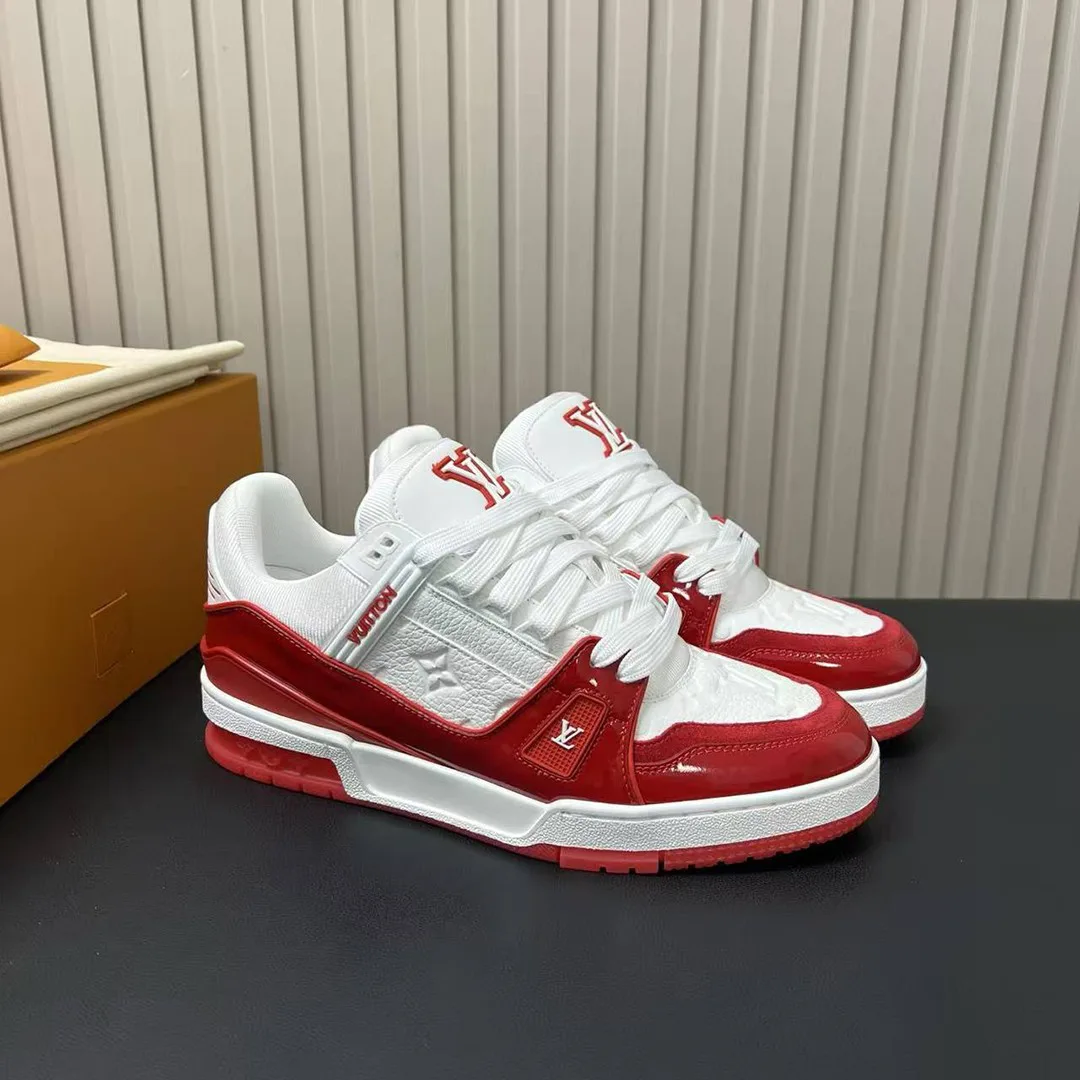
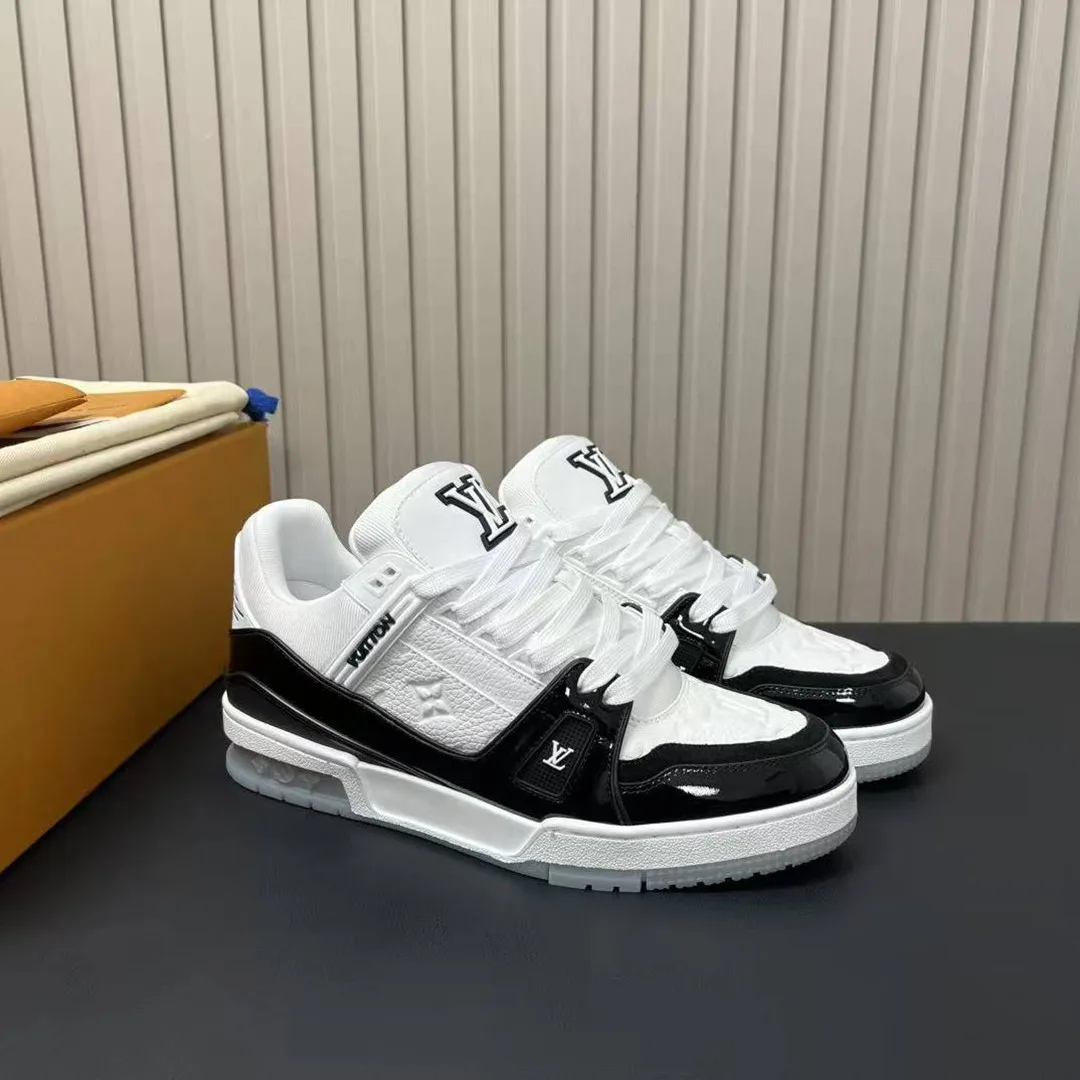
Curious what is current? Browse our designer-inspired shoe collection and see which trends we are carrying this season.
For footwear market analysis, Vogue Business and The Business of Fashion track the trends shaping the shoe industry.