

The Ultimate Gift Guide for Bag & Leather Lovers: What to Buy, What to Skip
August 12, 2026Gift Styling: How to Make a Gifted Bag or Accessory Part of Their Style
August 12, 2026There is a moment every leather gift passes through, and it decides whether the gift lives or dies. The moment is the first month of ownership, when the recipient either starts a care routine or does not. If they wipe, condition, and store the piece properly, it will look better every year for a decade. If they treat it like plastic, it will look tired within months, and the gift you chose with care will quietly become a disappointment. The gift is not done when it is wrapped. The gift is done when the recipient knows how to keep it.
This guide is about that second half of gifting: helping the recipient care for the leather piece you gave. You will learn what to include with the gift, how to explain care without lecturing, and how to handle the most common care mistakes before they happen.
Why Care Is Part of the Gift
Leather is the only gift material that improves with the right treatment and collapses with the wrong one. A leather bag, wallet, belt, or pair of shoes is a relationship, not an object, and the relationship runs on maintenance. The oils in leather deplete with use and exposure, and nothing replaces them except conditioner. Dust grinds into the finish unless it is wiped. Moisture softens and warps the leather unless it is protected and dried properly. None of this is complicated, but none of it is instinctive either, which is why the knowledge is part of the gift.
Think of it this way: the leather piece is the gift, and the care kit plus the knowledge is the warranty. A gift with a warranty is a gift that lasts, and a gift that lasts keeps reminding them of you.
What to Include With the Gift
The care package is small, affordable, and transforms the gift. Include three things: a microfiber cloth, a small leather conditioner, and a care card. The cloth handles the weekly wipe-down. The conditioner handles the monthly feeding. The care card explains both, plus the storage rules, in five sentences. Total cost, under twenty dollars, total effect, the difference between a piece that lasts a year and a piece that lasts a decade.
For specific pieces, add the specific tools: shoe trees for shoes, a dust bag for a handbag, a storage pouch for a watch, silica packets for a humid climate. The more the care package matches the piece, the more it reads as thought, and the more likely it gets used.
The Care Card: Five Sentences That Save a Gift
The care card should be short, because nobody reads a manual. Five sentences cover the entire routine:
One: wipe the piece weekly with a dry microfiber cloth to remove dust, which is what makes leather look old. Two: condition monthly with a leather conditioner, a thin coat, let it absorb, buff. Three: keep it out of direct sunlight, radiators, and rain; heat and UV crack leather faster than anything. Four: store it stuffed, in a dust bag or cloth, never hung by straps, never in plastic. Five: if it gets wet, blot, stuff, and dry slowly at room temperature, never with a hairdryer.
That is the whole routine, and it fits on a card the size of a business card. Print it, include it, and the gift has a warranty.
How to Explain Care Without Lecturing
The hardest part of gift care is the delivery. People do not want a lecture with their gift, and a care lecture can feel like a criticism, as if you are saying “you are careless.” The delivery that works is the framing: present the care as a gift feature, not a requirement. Say “this leather will look better every year, and there is a trick to it, I included the stuff and a card” rather than “you need to take care of this.” Frame it as the secret to the gift, not the homework of the gift.
The second delivery technique is to do the first care pass together. If you are giving the gift in person, take out the cloth and conditioner, do the first conditioning in front of them, and hand it over saying “this is the ten-minute monthly ritual, and now you know it.” The demonstration converts the knowledge from an instruction into a habit, and habits are what keep leather alive.
The Common Mistakes to Prevent
Most leather damage comes from five mistakes, and all five are preventable with one sentence each. Overloading: a bag or wallet stuffed beyond capacity strains the seams and stretches the shape, so tell them to carry what fits. Water and heat: the fastest killers, so the blot-stuff-dry rule matters more than any other. Sunlight: UV fades and dries, so storage away from windows is non-negotiable. Hanging by straps: stretches the straps and distorts the bag, so store upright and stuffed. And the wrong cleaners: dish soap, alcohol, and all-purpose sprays strip leather oils, so the included conditioner is the only product they need.
Include these five as a short section on the care card, and the piece survives its first year, which is the year most leather dies.
When the Recipient Is Not a Care Person
Some people will never condition leather, no matter how clear the card. If you are buying for someone who is genuinely not a care person, adjust the purchase: choose darker leathers, which hide wear and require less maintenance, choose pebbled or textured leathers, which resist scratches and dust, and avoid suede and light colors entirely, because they demand the most care. The gift should fit the recipient’s habits, not the other way around, and a low-maintenance piece for a low-maintenance person is the thoughtful choice.
Follow-Up: The Six-Month Check
The care relationship does not end at the gift exchange. The six-month follow-up is a gift in itself: ask how the piece is holding up, offer to condition it together if you are close, and refresh the care supplies if they have run out. This is not hovering, it is the difference between a gift that was given and a gift that is maintained. The leather piece will be carrying their daily life, and the check-in keeps the care habit alive, which keeps the gift alive.
The Five Mistakes to Prevent
Most leather damage comes from five mistakes, and all five are preventable with one sentence each. Overloading: a bag or wallet stuffed beyond capacity strains the seams and stretches the shape, so tell them to carry what fits. Water and heat: the fastest killers, so the blot-stuff-dry rule matters more than any other. Sunlight: UV fades and dries, so storage away from windows is non-negotiable. Hanging by straps: stretches the straps and distorts the bag, so store upright and stuffed. And the wrong cleaners: dish soap, alcohol, and all-purpose sprays strip leather oils, so the included conditioner is the only product they need.
Include these five as a short section on the care card, and the piece survives its first year, which is the year most leather dies. The care knowledge is the difference between a gift that is admired and a gift that is used, and the recipient who knows the five mistakes is the recipient whose gift lasts a decade.
The Gift That Keeps Giving: Refreshing the Care Kit
The care relationship does not end at the gift exchange. The six-month follow-up is a gift in itself: ask how the piece is holding up, offer to condition it together if you are close, and refresh the care supplies if they have run out. This is not hovering, it is the difference between a gift that was given and a gift that is maintained.
The leather piece will be carrying their daily life, and the check-in keeps the care habit alive, which keeps the gift alive. Most leather dies in its first year from neglect, and the giver who follows up at six months prevents exactly that. A text, a call, a coffee where you condition the piece together, the follow-up costs almost nothing and doubles the life of the gift, which means the memory of the giving lasts twice as long.
Care for Specific Gift Types
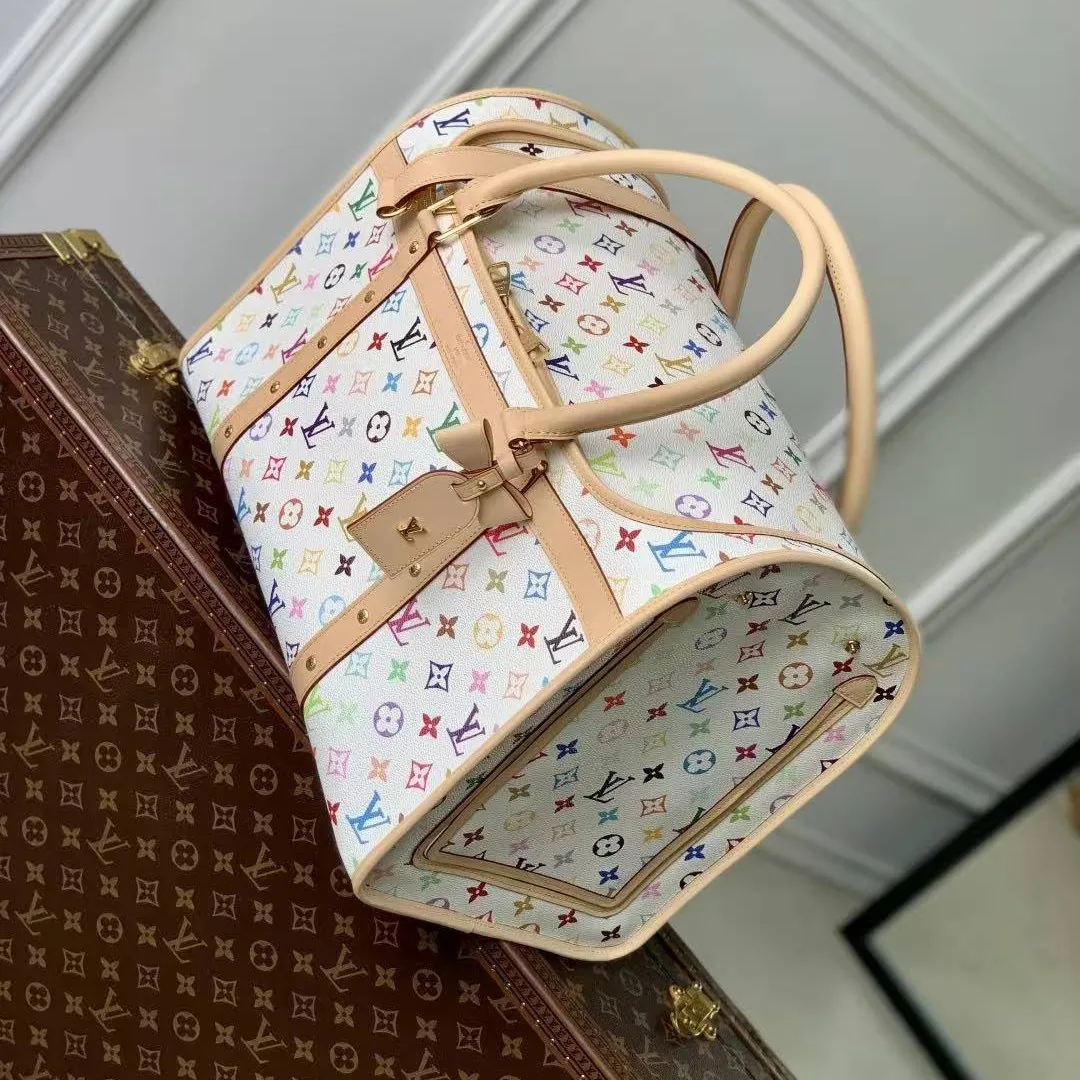
Different leather gifts need slightly different care notes, and the specifics are worth including on the card. For a gifted wallet or card holder: keep it out of the back pocket when possible, keep it away from keys, and wipe it monthly, because the pocket is the harshest environment in the wardrobe. For a gifted bag: wipe weekly, condition monthly, store stuffed and upright, and never hang it by the straps. For a gifted belt: wipe the flex points weekly, condition monthly, and avoid coiling it tightly for storage.
For a gifted pair of shoes: shoe trees from day one, a day of rest between wears, and monthly conditioning. For a gifted scarf: hand wash in cool water with the right detergent, dry flat, and store folded away from sunlight. The gift-specific notes take two extra lines on the care card, and they are the difference between generic advice and advice that actually fits the piece, which is the advice people follow.
Related Guides in This Series
The Complete 101 Buying Guide · The Ultimate Gift Guide for Bag & Leather Lovers: What to Buy, What to · Gift Trends: What People Actually Want as Gifts This Year
Ready to give a gift that lasts? Browse our designer-inspired leather goods collection, built to be kept with the right care.
For leather care standards, industry coverage from Vogue Business regularly features the craftsmanship behind quality leather goods.
For the industry perspective, Leather Naturally publishes regular updates on this space.