

Accessories Buying Guide: Belts, Scarves, Sunglasses, Jewelry & More
August 12, 2026
Are Clutch Bags Practical for Daily Use?
August 12, 2026Accessories are small, which makes people assume they need no care. That assumption is expensive. A leather belt that never gets conditioned cracks at the holes within a year. A silk scarf washed with the wrong detergent loses its drape and sheen forever. Sunglasses left on the dashboard warp their frames and degrade their coatings. And jewelry, especially plated jewelry, dies quietly from exposure to water, perfume, and sweat. None of this is dramatic, which is exactly why it happens: the damage is slow, invisible, and total by the time you notice.
This guide covers the care routine for each accessory category: belts, scarves, sunglasses, jewelry, and small leather goods. The good news is that accessory care is even faster than bag care, because the items are small. The bad news is that it has to be consistent, because the items are delicate.
Belt Care: The Most Worn, Least Cared-For
The belt is the accessory that takes the most daily abuse, because it bends every time you sit, rubs against your waistband, and absorbs sweat and body oils. The care routine is short but essential. Wipe the belt down weekly with a dry cloth, focusing on the sections near the holes, where sweat concentrates. Condition the leather monthly, the same conditioner you use on your bags works here, and pay extra attention to the flex points. Keep the buckle clean and dry, because moisture under the buckle corrodes it and stains the leather.
Two belt-specific rules: never store a belt tightly coiled, which sets permanent creases; hang it or roll it loosely instead. And watch the hole stretch, a belt that is worn at the same hole for years will stretch that hole and distort the strap. Rotate between two holes occasionally, and if a hole is tearing, punch a new one rather than letting the tear grow.
Scarf Care: Silk, Wool, and the Rules for Each
Scarves are the accessory most likely to be ruined by good intentions, because they are washed with the wrong method. The rules depend on the material.
Silk: hand wash in cool water with a gentle detergent made for silk, or dry clean. Never wring silk, never machine wash it, and never dry it in direct sun. Roll it in a towel to remove excess water, then lay it flat to dry. Iron on low, with a cloth between the iron and the silk, or not at all, because silk creases easily but also presses permanently. A quality silk scarf, cared for correctly, lasts decades, which is why vintage silk scarves are collectible.
Wool and cashmere: hand wash in cool water with a wool-specific detergent, or dry clean. Never hang wool to dry, which stretches it; lay it flat on a towel. Store wool folded, never hung, and protect it from moths with cedar or lavender. Pilling, the little fuzz balls, is normal, remove it gently with a fabric comb or a sweater stone, never with scissors.
For all scarves, the storage rule is the same: fold, do not hang, and keep them away from direct sunlight, which fades silk faster than anything.
Sunglasses Care: Protection for the Protectors
Sunglasses are precision instruments wearing a fashion disguise, and they deserve instrument-level care. The rules are simple and almost always ignored.
Always use the case. The case is not optional packaging, it is the difference between a pair that lasts years and a pair that gets scratched in a week. Keys, coins, and pocket debris are the enemy of lenses. Clean the lenses with a microfiber cloth and a lens cleaner, never with your shirt, never with paper towels, and never with alcohol, which strips the lens coatings. Blow off dust before wiping, because wiping dry grit across a lens scratches it.
Never leave sunglasses in a hot car. Heat warps plastic frames, delaminates lens coatings, and degrades the UV protection, and the damage is invisible until it is too late. When not in use, the case, in a cool place, is the rule. And check the fit periodically: loose hinges and nose pads can be tightened by any eyewear shop, usually for free, and a properly fitted pair protects your eyes better and lasts longer.
Jewelry Care: Water, Perfume, and Time
Jewelry dies from three things: water, perfume, and time. The care rules address all three.
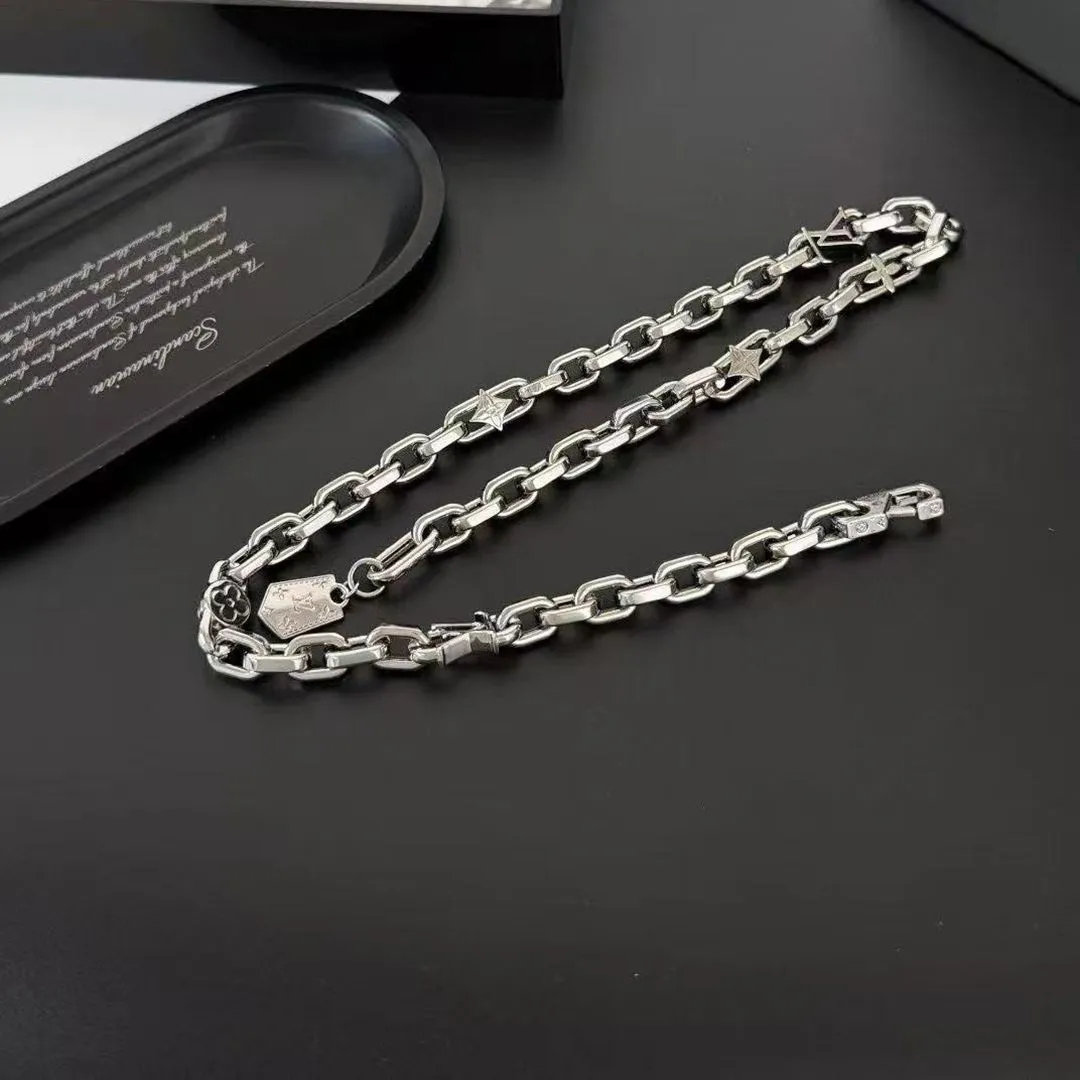
Take jewelry off before showering, swimming, and exercising. Water and sweat attack both plated and solid pieces, and chlorine and saltwater are the worst offenders. Put jewelry on last when getting ready, after perfume, lotion, and hairspray, because those chemicals coat the metal and accelerate tarnish. Store jewelry in a dry, closed container, ideally a jewelry box or pouch, and separate pieces so they do not scratch each other. Add silica gel packets to the storage to control humidity.
Cleaning depends on the metal. Gold and silver can be cleaned with a jewelry-specific cleaner and a soft brush, silver with a silver polish cloth. Plated pieces should be wiped gently with a dry cloth and never polished aggressively, because polishing removes the plating. Pearls and other organic gems are the exception to everything: wipe them with a soft damp cloth and never soak them, never clean them with jewelry cleaner, and store them separately, because they scratch easily.
Small Leather Goods Care: Wallets and Card Holders
Wallets live in pockets, and pockets are hostile. The care rules are the same as bags, compressed: wipe monthly, condition every two to three months, keep away from keys, and do not overstuff. The back-pocket wallet takes the worst beating, because sitting on leather flattens the stitching and stresses the seams, so encourage the front pocket or a bag when possible. And check the card slots, overstuffed slots stretch and tear, and a wallet that is bursting is a wallet that will fail at the seams.
Storage and Rotation
The universal accessory rules are storage and rotation. Store everything in a cool, dry, dark place, away from heat, humidity, and sunlight. Keep like materials together and protect delicates from each other. And rotate your accessories: a belt worn daily wears out in a year; two belts alternated last three. The same arithmetic that applies to shoes and bags applies to accessories, and the pieces you rotate are the pieces you keep.
The Accessory Care Calendar
Here is the whole system on one page.
- Weekly: wipe belts, blow dust off sunglasses, wipe jewelry worn that day
- Monthly: condition belts and small leather goods, check sunglasses fit
- Seasonal: deep clean scarves, clean jewelry, refresh storage
- Yearly: inspect everything, repair or replace what is failing
That is the entire routine. Ten minutes a month, and your accessories will look new for years, which means the money you spent on them keeps working.

For more on caring for quality materials, Vogue Business covers the craftsmanship behind premium accessories.
Sunglasses Care: The Case Is the Key
Sunglasses are precision instruments wearing a fashion disguise, and they deserve instrument-level care. The rules are simple and almost always ignored. Always use the case: the case is not optional packaging, it is the difference between a pair that lasts years and a pair that gets scratched in a week. Keys, coins, and pocket debris are the enemy of lenses.
Clean the lenses with a microfiber cloth and a lens cleaner, never with your shirt, never with paper towels, and never with alcohol, which strips the lens coatings. Blow off dust before wiping, because wiping dry grit across a lens scratches it. Never leave sunglasses in a hot car: heat warps plastic frames, delaminates lens coatings, and degrades the UV protection, and the damage is invisible until it is too late. When not in use, the case, in a cool place, is the rule, and check the fit periodically, because loose hinges and nose pads can be tightened by any eyewear shop, usually for free.
Seasonal Care Calendar for Accessories
Accessories have a seasonal rhythm, and matching the care to the season keeps every piece alive. Spring: the deep clean, wash the scarves from winter, condition the belts that carried you through the cold months, and inspect everything for the damage winter may have caused. Summer: the light maintenance, wipe the sunglasses daily, keep jewelry away from sunscreen and sweat, and store the wool away from moths with cedar or lavender.
Autumn: the preparation, waterproof the belts and bags before the wet season, clean the summer scarves before storage, and refresh the jewelry cleaning. Winter: the protection, condition more often because indoor heat dries leather, wipe salt from anything that goes outside, and store the delicate pieces away from radiators. The seasonal calendar is ten minutes four times a year, and it is the difference between an accessory collection that lasts decades and one that quietly decays.
Repair and Replace: Knowing When to Let Go
Not every accessory can be saved, and knowing when to repair, replace, or retire is part of care. The repairable: a belt buckle that can be replaced, a scarf that can be re-hemmed, sunglasses with replaceable lenses and temples, these are worth fixing, and the fix is usually cheap. The borderline: jewelry with a broken clasp or chain, which a jeweler can often repair for less than replacement, worth it for quality pieces, not worth it for plated costume pieces that will fail again.
The retiring: anything with mold, which cannot be safely removed from leather, anything with cracked or delaminating leather, and anything plated that has worn through to the base metal. The rule of thumb: repair the quality pieces, replace the cheap ones, and retire anything that cannot be cleaned or fixed. The care calendar includes the annual inspection precisely for this, and the person who inspects annually retires pieces with intention rather than discovering the damage at the worst moment.
Related Guides in This Series
The Complete 101 Buying Guide · Accessories Buying Guide: Belts, Scarves, Sunglasses, Jewelry & More · Accessory Trends: The Accessories Everyone Will Be Wearing
Need accessories worth caring for? Browse our designer-inspired accessory collection, built to last with exactly this kind of care.
Industry data and professional guidance from The Vision Council support this view.