


What Is the Right Time to Change Your Wallet or Purse?
August 10, 2026Handbag Trends to Watch: What’s In, What’s Out, and What’s Worth Buying
August 10, 2026Most handbags do not die from use. They die from neglect. I have seen a two-thousand-dollar bag look worse than a two-hundred-dollar bag after two years, purely because nobody ever wiped it down, conditioned it, or stored it properly. And I have seen a mid-priced bag look almost new after five years because its owner followed a ten-minute monthly routine. The difference between those two outcomes is not money. It is knowledge.
Leather is animal skin. It breathes, it absorbs, it dries out, and it reacts to everything around it. Treat it like the living material it is and it will serve you for a decade. Treat it like plastic and it will fail like plastic. This guide covers the complete care cycle: daily habits, weekly cleaning, monthly conditioning, seasonal protection, proper storage, and what to do when something goes wrong, from scratches to water damage to a broken zipper.
Daily Habits That Take Ten Seconds
Most leather damage is cumulative and invisible until it is too late. Dust is the quiet killer: it grinds into the finish every time you set the bag down, and over months it creates a dull, hazy film that makes leather look old before its time. The fix is almost insultingly simple. Wipe the bag down with a soft, dry microfiber cloth at the end of each day, or at least a few times a week. Thirty seconds, no products, no water. Just remove the dust before it becomes the enemy.
Second daily habit: empty the bag weekly. Pens leak, lip balm melts, coins scratch, receipts crumple into the lining. Once a week, take everything out, turn the bag upside down and give it a gentle shake, and check the lining for crumbs and debris. A clean lining protects the bag from the inside, and the inside matters as much as the outside.
Third habit: do not overload the bag. A bag that is constantly stretched to capacity strains the straps, distorts the shape, and stresses the seams. If you regularly carry more than the bag comfortably fits, you need a bigger bag, not a stronger prayer.
Weekly Cleaning: The Right Way and the Wrong Way
Here is the wrong way to clean a leather bag: soak it in water, scrub it with soap, and let it air dry in the sun. This is how leather gets ruined, and yet it is what most people do when they see a stain.
The right way depends on what you are cleaning. For general surface dirt, a slightly damp microfiber cloth (water only, wring it out until barely damp) followed by a dry cloth. Never saturate the leather. For more stubborn grime, use a dedicated leather cleaner, not dish soap, not all-purpose cleaner, not baby wipes. Leather cleaners are pH-balanced for leather; household products strip the oils that keep it supple. Apply the cleaner to the cloth, not directly to the bag, work in small circular motions, and follow with a clean dry cloth to buff.
For stains, act fast but do not panic. Ink: blot with a clean cloth, never rub. If a leather cleaner does not lift it, take it to a professional; ink is one of the few things worth paying for. Grease and oil: sprinkle cornstarch or talcum powder on the spot, leave it overnight to absorb, then brush off gently. Water spots: let the bag dry completely, then condition it; the spot often evens out as the leather re-hydrates.
Monthly Conditioning: The Single Most Important Step
If you only do one thing for your handbags, condition them monthly. Leather contains natural oils, and those oils deplete with use, exposure, and time. Conditioner replaces them. Leather that is regularly conditioned stays supple, resists cracking, repels water better, and develops a beautiful patina instead of a tired, dry surface.
Choose a conditioner made for leather. Avoid anything with silicones and petroleum derivatives that sit on the surface and clog the pores, and avoid “all-in-one” products that promise to clean, condition, and protect in one bottle, because they usually do all three poorly. A simple, honest leather conditioner with natural oils and waxes is all you need.
The routine: clean the bag first, apply the conditioner sparingly with a soft cloth using circular motions, let it absorb for fifteen minutes, then buff with a clean dry cloth. One thin coat is enough. Over-conditioning makes leather greasy and attracts dust, so do not pile it on. Once a month for bags in regular use, every two to three months for bags you carry occasionally.
Seasonal Protection: Rain, Sun, and Heat
Water is leather’s second-greatest enemy after neglect. A waterproofing spray designed for leather creates an invisible barrier that makes water bead and roll off instead of soaking in. Apply it when the bag is clean and dry, in a well-ventilated area, two thin coats rather than one thick one, and reapply every few months or after heavy use in wet weather. Test it on an inconspicuous area first, because some sprays darken lighter leathers.
If your bag does get soaked, do not panic, and do not use heat. Blot with a dry towel, stuff the bag with paper or a cloth to hold its shape, and let it dry slowly at room temperature, away from radiators, hairdryers, and direct sunlight. Heat is the real killer: it shrinks and cracks leather faster than anything else. Drying slowly takes longer, but it is the only safe way.
Sunlight is a slow poison. UV rays fade the color and dry out the leather. Do not leave bags on windowsills, car seats, or anywhere they get prolonged sun exposure. This is also why storage matters so much.
Storage: How to Keep Bags Looking New Between Wears
How you store a bag between uses determines how it looks when you take it out again. The rules are simple but almost nobody follows them.
Stuff the bag to hold its shape. Use the original dust bag if you kept it, or a clean cloth pillowcase, and stuff it with tissue paper, clean cloth, or a purpose-made bag shaper. Do not use newspaper; the ink transfers. Keep the handles and straps inside the bag or tucked flat, so they do not crease under their own weight. Store bags upright on a shelf, never hanging by the straps. Hanging stretches the straps and distorts the bag over time.
Keep bags in a cool, dry, dark place. Not the attic, which gets hot, not the basement, which gets damp, and not a sunny bedroom window. Humidity causes mold, which is one of the few things that can truly destroy leather, and heat dries it out. A wardrobe shelf, a dresser drawer, or a dedicated shelf in a climate-controlled room is ideal. If you live somewhere humid, add silica gel packets to the storage area.
Do not stack bags. A bag on top of another bag presses dents into the leather and strains the lower bag’s structure. Give each bag its own space, or at least a soft barrier between them. And rotate your bags. A bag that rests between wears lasts longer, because the leather gets time to recover its moisture and shape.
Repair: When to DIY and When to Call a Professional
Not every problem is a disaster, and not every problem is a DIY project. Knowing the difference saves you money, and it saves your bag.
DIY-friendly: minor scuffs (rub gently with a matching leather cream or a fingertip; the oils often blend the mark), light scratches on full-grain leather (these often fade into the patina on their own), loose stitching in a low-stress area (careful re-stitching with a leather needle and waxed thread), and color transfer from dark clothing (usually removable with a leather cleaner).
Take it to a professional: zipper replacement, strap reattachment or repair, lining replacement, deep scratches or cuts, ink stains that do not lift, mold, and any structural damage to seams or edges. A good leather repair shop can bring a bag back from the brink for a fraction of the replacement cost, and a well-repaired quality bag is worth more than a new cheap one.
The economics are simple: if the bag is full-grain leather from a decent maker, repair it. It will outlast two or three replacements. If the bag is bonded leather, do not bother, because bonded leather cannot be repaired well, and it will fail again anyway. This is one more reason to buy quality in the first place.
The Care Calendar
Here is the whole routine on one page. Print it, stick it in your closet, follow it, and your bags will look new for years.
- Daily: wipe with a dry microfiber cloth
- Weekly: empty the bag, shake out debris, check the lining
- Monthly: clean with leather cleaner, condition, buff
- Seasonal: reapply waterproofing spray, check storage conditions
- Yearly: deep clean, inspect for damage, repair early
That is it. Ten minutes a month. The bags you already own will last longer, look better, and hold their value, and the money you save by not replacing them covers the cost of the care products many times over.
Care and the Bigger Picture
Care connects to everything else in the handbag world. The buying guide explains why full-grain leather is worth seeking out, and this guide explains why it is worth maintaining. A well-cared-for bag is also easier to style and holds its value if you ever decide to sell it, and caring for leather sits at the center of the trends conversation, because quiet luxury is fundamentally about buying fewer, better things and keeping them for longer.
Need a bag worth caring for? Browse our women’s designer-inspired handbag collection, built from quality materials and designed to age gracefully with exactly this kind of care.
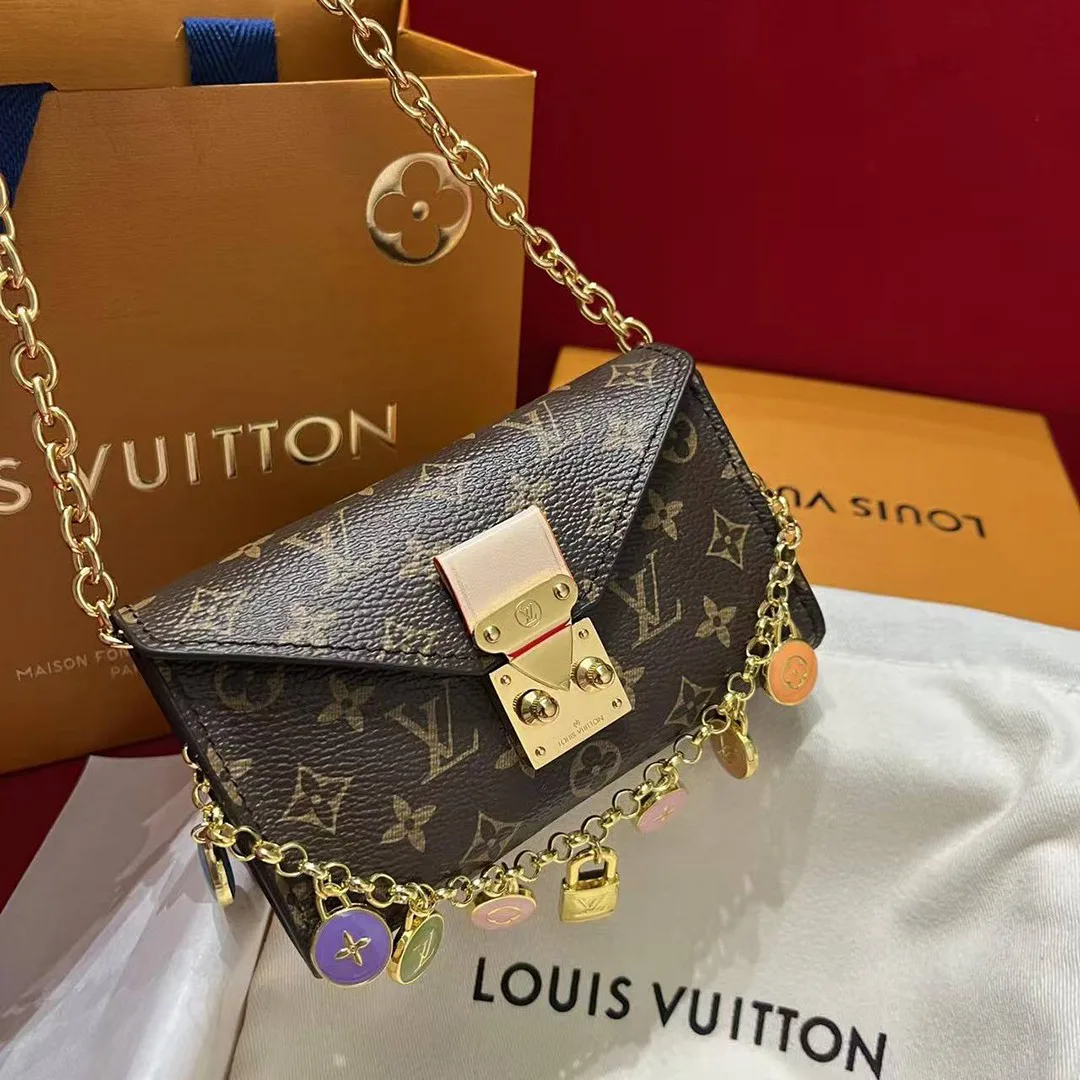

For the latest on the bag market, industry coverage from Vogue Business offers up-to-date context.
Related reading: The Complete 101 Buying Guide · How to Style Handbags: Matching Bags to Outfits for Every Occasion · The Ultimate Women’s Handbag Buying Guide: How to Choose a Bag That La
For more on this topic, the experts at Leather Naturally offer detailed guidance.