
How to Care for Your Leather Handbags: Cleaning, Conditioning, Storage & Repair
August 10, 2026The Best Handbag Gifts: How to Choose a Bag She’ll Actually Love
August 10, 2026Trends are strange animals. They move fast, they contradict each other, and by the time the mainstream media announces a trend, the people who started it have usually moved on. I have watched the handbag world swing from oversized to micro and back, from logos everywhere to logos nowhere, and from structured to slouchy and back again. The one thing I have learned is that trends are worth watching, not chasing, and that the difference between a trend and a timeless classic is usually visible in hindsight.
This guide looks at what is actually happening in handbag trends right now: the macro currents, the micro trends that come and go, and most importantly, which trends are worth your money and which are traps. You will learn how to tell a real shift from a marketing cycle, and how to buy trends without building a wardrobe of regrets.
The Big Currents: Where the Industry Is Moving
Behind the noise of individual styles, a few structural shifts are reshaping the handbag market, and these matter more than any single trend because they will still be true in five years.
Quiet luxury is here to stay
Minimal branding, maximum materials. The reaction to logo-covered everything has been a decade in the making, and it shows no sign of reversing. Bags with clean lines, no visible logos, and exceptional leather are the new status symbols, because they signal taste and money without shouting. What this means for buyers: the leather quality and craftsmanship matter more than the name on the bag, which is excellent news for anyone shopping on value rather than brand. A beautifully made no-logo bag now reads as “expensive” even at a fraction of the price of a logo-covered designer piece.
Practicality is back
After the micro-bag era, where bags got small enough to hold nothing but a phone and hope, the pendulum has swung back to utility. Mid-size bags, organized interiors, real compartments, and bags that can hold an actual day of stuff. This is a healthy correction, and it aligns with the broader shift toward buying fewer, better things. The practical bag is not a downgrade, it is a return to the bag’s original job.
Sustainability is becoming a purchase driver
Buyers are increasingly asking where materials come from, how long products last, and whether they can be repaired. This drives demand for full-grain leather, repairable construction, and brands that stand behind their products. The fashion industry has been under pressure on this front, and the response is more transparency about materials and manufacturing, which benefits informed buyers who know the quality signals.
Micro Trends: What’s In Right Now
These are the trends circulating right now. Some will last, most will fade, and a few will become classics. Watch them, enjoy them, but buy with a longer horizon in mind.
Structured top-handle bags
The ladylike top-handle bag, think 1950s charm with modern proportions, is having a strong moment. It reads polished, works for day and evening, and photographs beautifully. This one has staying power because it flatters almost everything and never looks dated.
Slouchy soft bags
The opposite pole: unstructured, slouchy hobos and bags that look like they have been lived in. Soft leathers, relaxed shapes, no structure at all. This trend rewards high-quality soft leather, because cheap soft leather just looks cheap, while good leather slouches beautifully.
Color blocking and unexpected hues
While neutrals dominate the foundation, trend-driven buyers are reaching for unexpected colors, butter yellow, olive, burgundy, and electric blue. These work best as second or third bags, the joyful additions to a neutral foundation.
Hardware as decoration
Chunky chains, sculptural clasps, and oversized hardware turn the bag into jewelry. This is a love-it-or-hate-it trend, and it is also the fastest to date, because statement hardware screams a specific season. If you buy it, buy it knowing it is a moment, not a marriage.
Textured leathers
Croco embossing, pebbled textures, and woven leathers add interest without color. Textured leather is a smart trend purchase because it stays stylish longer than colors do, hides wear well, and elevates simple outfits.
What’s Out (And Why It’s Fine to Ignore the “Out” List)
Trend journalism loves declaring things dead. Here is the truth: most “out” lists describe the bleeding edge, not your life. Micro bags were declared out, but they remain perfectly fine for evenings. Logo-heavy bags were declared out, but they still have fans. The only genuinely useful “out” signal is this: if a style requires constant attention, it is out of fashion, because fashion favors ease right now. Bags that need babying, that cannot survive rain, that scratch if you look at them wrong, those are the real casualties of the current moment.
Do not declutter your wardrobe because a trend list said so. A bag you love and use is never out of style. Trends are suggestions, not rules, and the most stylish people I know wear what works for them and let the trends orbit.
How to Buy Trends Without Regrets
Trends are fun and a little dangerous. Here is the framework I use, and it has kept my collection both current and regret-free.
The 80/20 rule
Eighty percent of your collection should be classic: neutral colors, classic shapes, quality leather. Twenty percent can be trend-driven: the current color, the statement hardware, the seasonal shape. This ratio means your wardrobe never looks dated as a whole, and the trend pieces get to be the fun, which is what they are for.
The one-season test
Before buying a trend piece, ask: would I still carry this next season if every fashion outlet declared it dead tomorrow? If yes, buy it. If the answer is “I would feel weird about it,” it is not a trend purchase, it is a costume, and costumes belong in the closet only if you have space for them.
Buy the interpretation, not the extreme
Every trend has a wearable version and a runway version. The runway version, enormous hardware, shocking colors, avant-garde shapes, is for photos, not for life. Buy the interpretation: a hint of the trend in a bag you could carry to work. That is how trends enter a wardrobe without wrecking it.
Quality first, trend second
A classic-quality bag in a trendy color is a better purchase than a trendy-quality bag in a classic color. When the trend fades, the quality bag still works in a neutral outfit, and it holds its value. The cheap trendy bag is just landfill with a season attached.
Market Context: Why Trends Matter for Value
Trends do not just affect style, they affect value. The luxury handbag market continues to grow, with analysts projecting steady expansion in the coming years, and the resale market has matured into a serious alternative for buyers who want designer quality at lower prices. What this means: a classic-quality bag in a neutral color holds value far better than a trend piece, because the resale market is built on classics. If you care about the long game, buy the pieces the resale market will still want in five years.
Where Trends Come From (And Why It Matters)
Understanding where trends originate helps you predict which ones will last. The fashion calendar runs on a predictable cycle: runway shows preview looks a year ahead, street style filters them, fast fashion copies them within weeks, and the mainstream adopts what survives. The bags you see in stores this season were designed eighteen months ago, so the trends that are just appearing in street style now are the ones that will dominate next season. This lag is useful. It means you can watch the early signals, street style, resale platforms, and the more experimental fashion cities, and get ahead of the curve instead of chasing it.
Resale platforms are particularly honest trend barometers. When a style starts appearing in resale listings within months of release, it is a fad. When a style holds steady resale value years after release, it is a classic in the making. Watch what people are selling, not just what they are buying, and you will see trends with the volume turned down and the noise removed.
Regional Trends: What’s Big Where
Handbag trends are not global. They move in regional waves, and knowing the map helps you read what is coming next. Paris and Milan drive the luxury calendar, and their runways set the premium direction. Seoul and Tokyo are early adopters, and their street style often predicts what will hit the rest of the world a season later. New York favors practicality, structured work bags and commuter-friendly shapes. Los Angeles leans casual, soft leathers and relaxed silhouettes. The Middle East and Asia-Pacific markets have driven significant luxury growth in recent years, which is one reason brands keep expanding their accessory lines and price points. Wherever you are, the local version of a global trend is usually the wearable one.
Trends and the Bigger Picture
Trends sit at the intersection of everything in the handbag world. The buying guide teaches the quality signals that outlast any trend, care keeps trend pieces looking good while they are current, and styling is how you wear trends without looking like a trend report. And when trends point to a new silhouette, the gift guide helps you decide whether it is worth gifting or just worth watching.
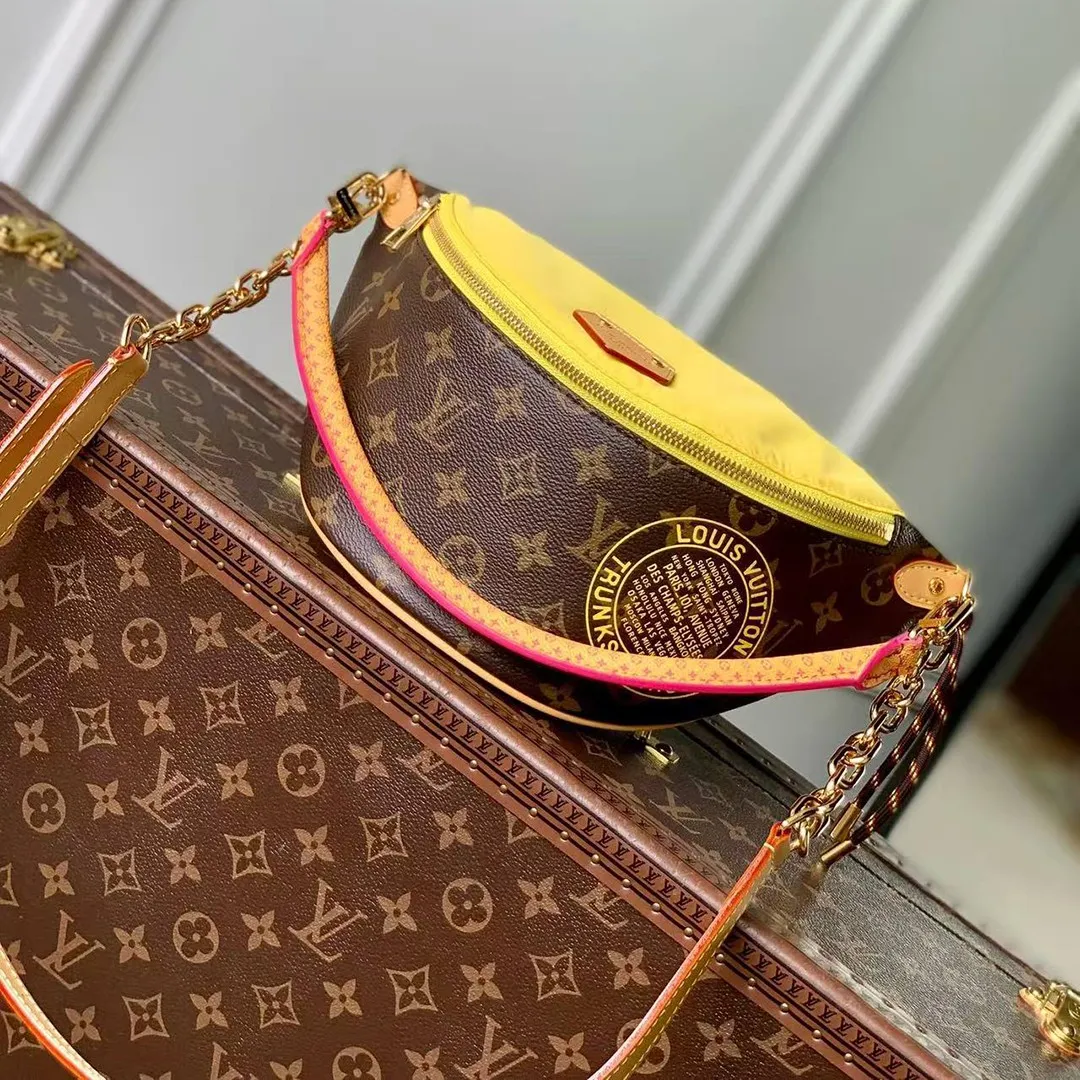
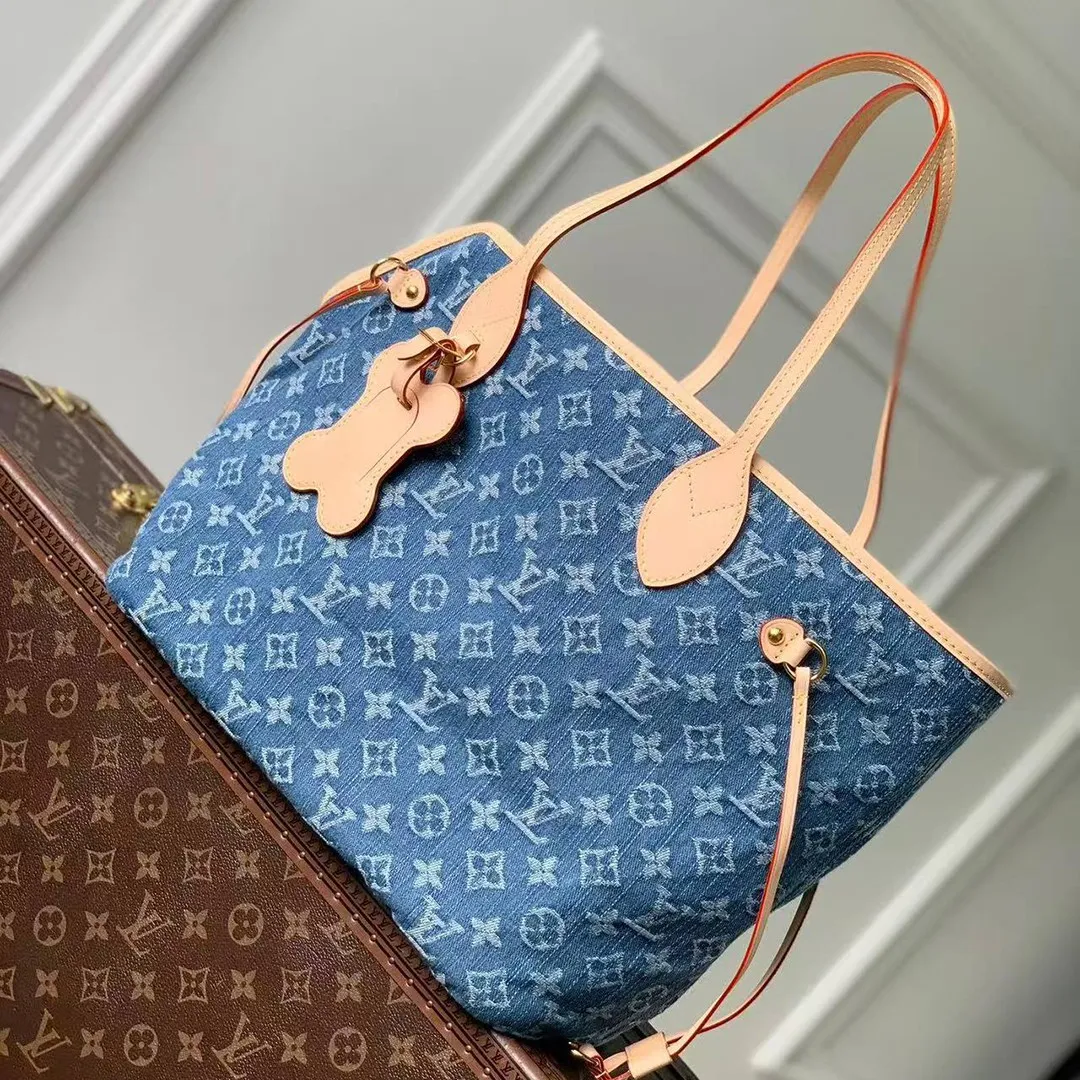
Curious what’s current in our collection? Browse our women’s designer-inspired handbags and see which trends we are carrying this season.
For the latest on the bag market, industry coverage from Vogue Business Verified Market Research offers up-to-date context.
Related reading: The Complete 101 Buying Guide · How to Style Handbags: Matching Bags to Outfits for Every Occasion · The Ultimate Women’s Handbag Buying Guide: How to Choose a Bag That La
For more on this topic, the experts at The Business of Fashion offer detailed guidance.