


What Scarf Do You Like to Wear With a Dress?
August 14, 2026The first scratch on a new bag feels like a personal failure. I remember sitting in a café once watching a woman nearly cry over a two-inch mark on a brand-new satchel, and honestly? I’ve been her. The scratch happened because the bag grazed a chair leg. That’s it. No drama, no bad luck — just a chair. The good news is that most scratches are cosmetic, most of them are fixable at home, and the ones that aren’t are rarely as bad as they look.
Here’s what I’ve learned from years of handling leather: scratches are not the enemy. The enemy is panicking and making them worse.
Read the Scratch Before You Touch It
Run your nail across the mark. Can you feel a groove, or is it just a surface change? A surface scuff that catches nothing is cosmetic — the finish is marked but the leather itself is fine. A groove you can feel means the leather has been compressed or cut, and that changes your options.
Your leather type matters too. Full-grain and aniline leathers are forgiving — they take scratches, and they also take them back, because the color runs through the whole hide. Pigmented leather has a thin colored coating on top, so a scratch often shows as a light line through the coating. And bonded leather — the stuff made from leather scraps glued together — can’t be repaired at all. If your bag is bonded, skip this whole article and enjoy it while it lasts.
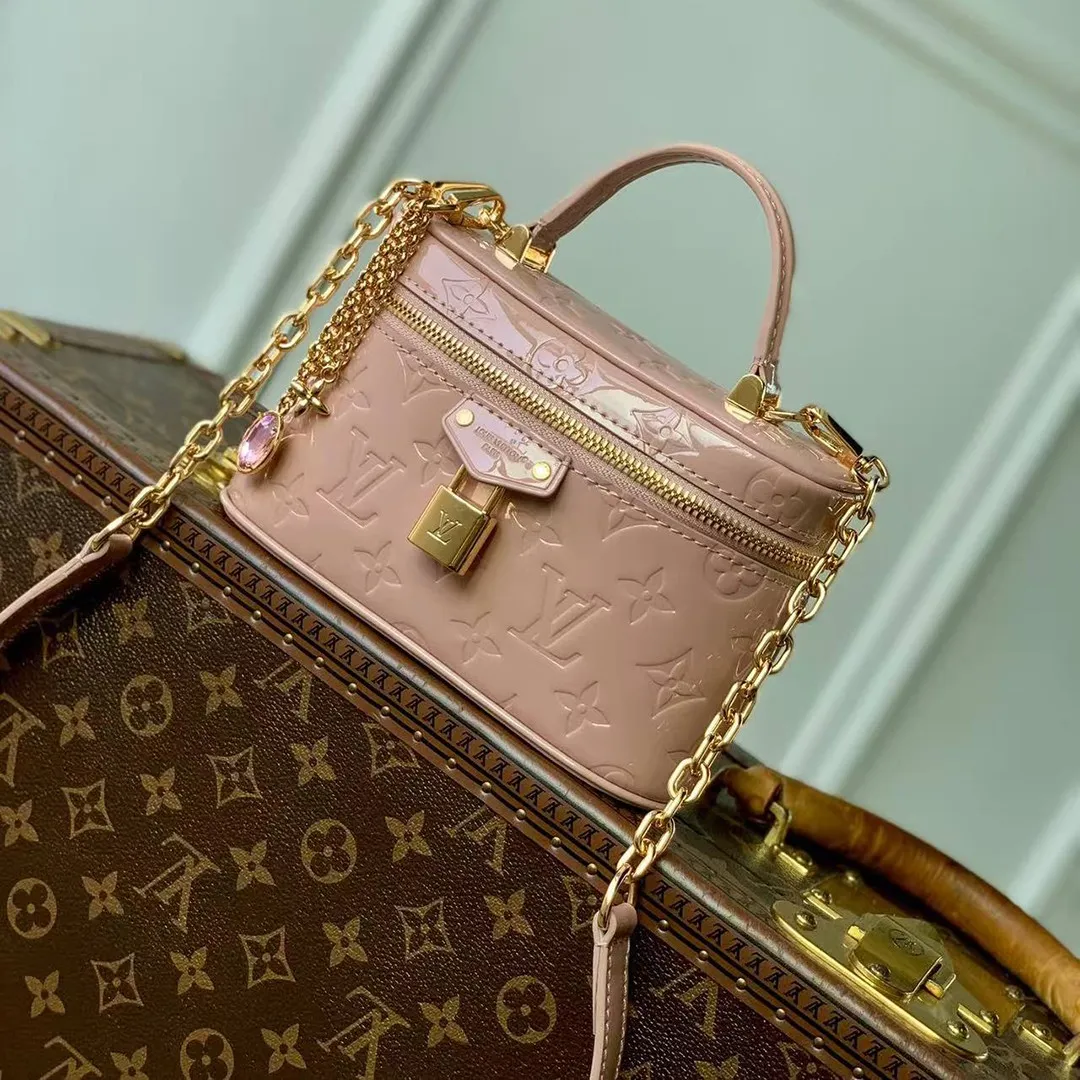
What Actually Works
For light surface scuffs, start with the cheapest fix in the world: your fingertip. Rub the mark in small circles for thirty seconds. The natural oils in your skin often blend a superficial scuff right back into the leather. It sounds like a folk remedy. It works more often than you’d think.
Next up: conditioner. A dab of a good leather conditioner, worked into the scratch and left overnight, softens the fibers and makes the mark fade into the surface. This handles most everyday scratches on full-grain leather — and I’ll be honest, some of them I’d call character, not damage.
For scratches that broke through a pigmented finish, you need a colored leather cream or polish in a matching shade. Apply it with a cotton swab, very thin, let it dry, and buff. Matching the color is the whole game — get as close as you can, and remember a slightly lighter shade blends better than a slightly darker one.
Deep grooves that actually cut the leather: a leather filler, applied in thin layers, then color-matched on top. It’s doable at home but fiddly, and it’s where most people give up and call a professional — which is fair, because a botched filler job looks worse than the scratch did.
What Doesn’t Work, and Why
Olive oil. It’s everywhere in the life-hack corners of the internet, and it’s a terrible idea: it goes rancid, it darkens the leather unevenly, and it attracts dust. Shoe polish — wrong waxes, rubs off on your clothes, and it can’t match a bag’s finish. Nail polish remover, which strips the finish off entirely. And the magic eraser, which is fine for walls and absolutely lethal for leather, because it’s a fine abrasive that removes the top layer along with the mark. I’ve seen all four do permanent damage. None of them belongs within a meter of a handbag.
There’s also the “leave it alone” option, and it’s more legitimate than people think. On full-grain leather, light scratches fade into the patina over weeks of normal use. The leather softens, the oils redistribute, and the mark becomes part of the bag’s story. The repair world calls this character, and The Fashion Law has covered how even luxury houses now lean into this used-and-loved look — in case you need permission to keep yours as is.
When to Call a Professional
Call a pro when the scratch cut through the finish on a delicate aniline bag, when the leather itself is torn or gouged, or when you’ve tried two home methods and the mark hasn’t budged. A decent repair shop charges thirty to eighty dollars for color restoration, which is cheap compared to a new bag — and a professional recolor job is invisible in a way home fixes rarely are.
Prevention is simpler than repair: condition your bag so the leather stays supple, because supple leather bounces back from knocks and dry leather holds every mark. And stop hanging your bag off chair arms — that’s where half of these scratches come from.
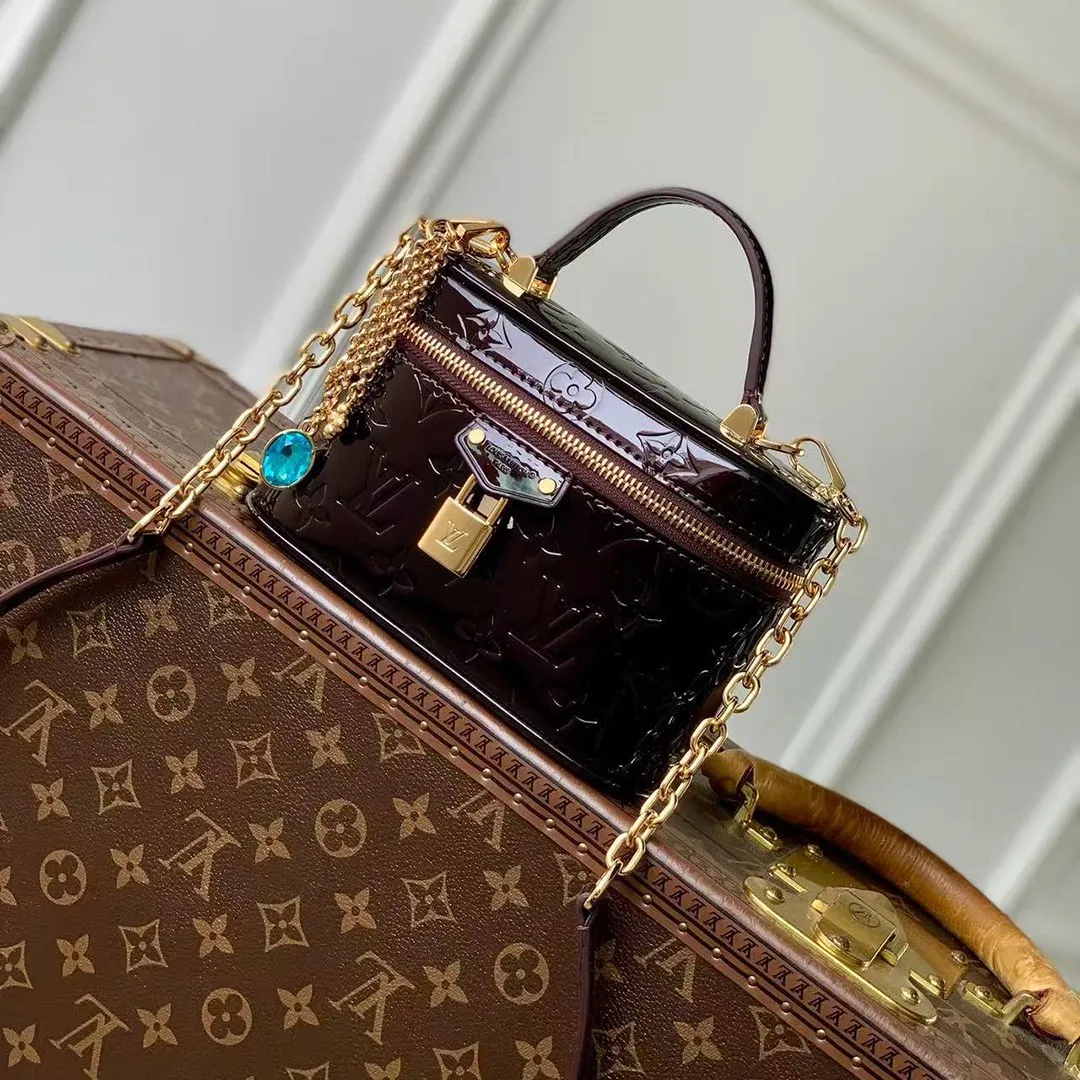
If the scratches are winning and the bag is losing, maybe it’s time to start over with something built tougher. Our women’s designer-inspired handbag collection is a good place to begin — quality leather, honest construction, and bags that take a scratch or two without falling apart.
Related reading: How to Care for Your Leather Handbags: Cleaning, Conditioning, Storage · The Complete 101 Buying Guide · The Best Leather Conditioners for Handbags (and How Often to Use Them) · How to Fix a Broken Handbag Zipper (or Know When to Call a Pro)
For more on this topic, the experts at Leather Naturally offer detailed guidance.