

The Best Leather Conditioners for Handbags (and How Often to Use Them)
August 14, 2026I once helped a friend unpack after a move, and her closet told me everything I needed to know about her handbags: three of them hung from their straps on a single hook, like coats. One was a designer tote she’d owned for two years. Its straps had stretched into long, sad curves, and the base had bowed outward until it looked like a boat. She asked me what was wrong with it. The answer was gravity, applied daily, for two years.
Bags don’t wear out evenly. They wear out according to how you store them. Get storage right and a bag can look nearly new after a decade in rotation. Get it wrong and you’ll be replacing hardware, straps, and shape long before the leather gives up.
Why Bags Lose Their Shape
Three forces destroy handbag shape: gravity, weight, and pressure. Gravity pulls the leather down when a bag hangs, stretching straps and elongating the body. Weight does the same from the inside — an overstuffed bag distorts its own structure, and a bag stored full of stuff is a bag training itself to sag. Pressure comes from stacking: a bag under another bag develops dents and creases that never fully relax, and the hardware of the bag on top can leave permanent scars in the one below.
The fix isn’t complicated. It just requires treating bags like the structured objects they are, not like laundry.
Stuffing Done Right
An empty bag is a bag losing its shape. The leather needs something to hold against while it rests, so stuff every bag you store. Tissue paper is the classic — use the plain, acid-free kind, and crumple it loosely rather than packing it tight; you want the bag to hold its natural silhouette, not balloon into a weird version of itself. Clean cotton cloths work too, and purpose-made bag shapers exist if you want to get fancy. What you should not use: newspaper, because the ink transfers to light linings; plastic bags, which trap moisture; and bubble wrap, which presses its own pattern into the leather.
Stuff until the bag stands naturally on its own. Then tuck the straps inside the body — a strap left hanging creases under its own weight, and the crease becomes a permanent fold line.
The Environment Matters More Than You Think
Leather wants a cool, dry, dark place. Humidity above about sixty percent invites mold — one of the few things that can genuinely destroy a bag — and heat dries the leather out and accelerates cracking. So: not the attic, which bakes in summer. Not the basement, which gets damp. Not a sunny windowsill, where UV fades the color panel by panel. A wardrobe shelf, a dresser drawer, or a closet in a climate-controlled room is right.
Dust bags are worth using, but only cotton or linen ones. The plastic bags your purchase arrived in trap moisture and should be thrown away or repurposed. And if you live somewhere humid, drop a few silica gel packets into the storage area — they’re cheap, they’re rechargeable, and they’ve saved more than one of my own bags from a moldy surprise.
Before anything goes into long-term storage — I’m talking months, not weeks — the bag needs to be clean, conditioned, and completely dry. A dirty bag stores its dirt; a damp bag stores its mold. Check stored bags every couple of months: give the leather a quick once-over for stiffness or spots, re-stuff if the tissue has settled, and let the bag air for a few hours. This takes five minutes per bag, and it’s how you catch problems while they’re still small enough to fix with a cloth.
Shelves, Hooks, and Rotation
Never hang a bag by its straps. Ever. If you must hang it, hang it by the body — there are hangers with flat shelves made for this — or lay it flat. Upright on a shelf is the gold standard: the base carries the weight the way it was designed to.
Don’t stack bags on top of each other. Give each one its own spot, or at least a soft barrier between them. Wrap long chains and hardware in tissue so they don’t scratch neighboring bags — or the bag itself. And rotate your rotation: a bag that rests between wears lasts longer, because the leather gets time to reabsorb moisture and recover its shape. I keep a simple one-in-one-out rule in my own closet, and it’s saved me from both sagging bags and a wall of dust.
Consumers are storing more bags than ever as the category keeps growing — Retail Dive tracks that side of the market if you want the numbers — but the storage rules don’t change: cool, dark, dry, stuffed, and never hanging.
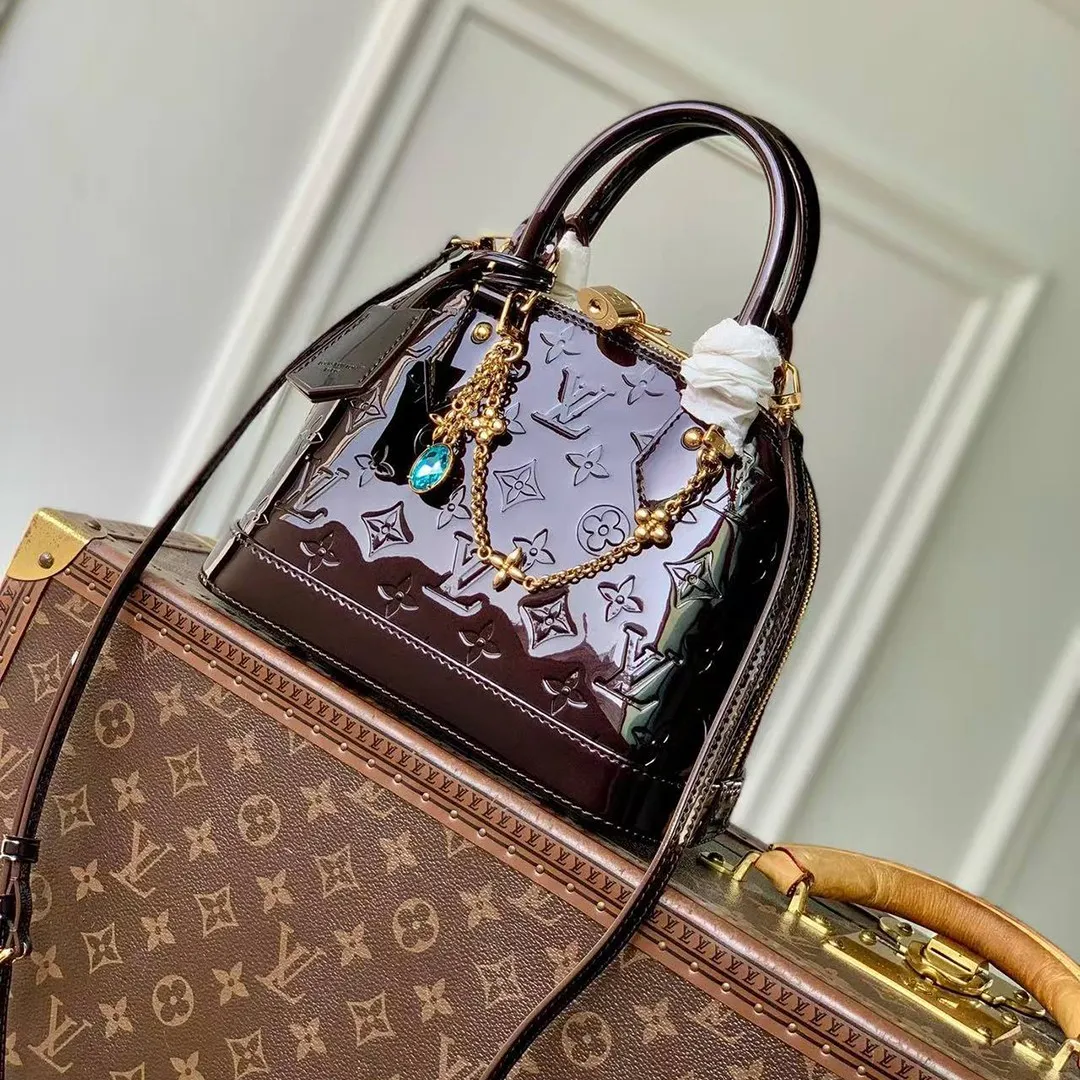
Good storage makes good bags last, but it can’t make a poorly made bag keep its shape — that starts at the factory. If you’re building a collection you’ll want to keep for years, start with our women’s designer-inspired handbag collection.
Related reading: How to Care for Your Leather Handbags: Cleaning, Conditioning, Storage · The Complete 101 Buying Guide · The Best Leather Conditioners for Handbags (and How Often to Use Them) · How to Remove Scratches from a Leather Bag: What Works and What Doesn’
For the industry perspective, Leather Naturally publishes regular updates on this space.