

Full-Grain vs Top-Grain Leather: What’s the Real Difference in Bags?
August 14, 2026There is a myth that quality leather handbags start at $500, and I used to believe it. Then I spent a few years testing bags at every price point, from market-stall specials to pieces that cost a month’s rent, and the truth is more interesting: the $200 price point is where the market actually gets good. Below it, you are gambling on materials. At it, you can find full-grain leather, solid hardware, and stitching that holds. The skill is knowing what to look for, because at this price the quality signals do not announce themselves.
What $200 Actually Buys in Leather
At the $200 mark, the leather is the first thing to check, because it is where the money goes and where the corners get cut. Bonded leather, which is leather scraps glued to a backing, should be an automatic pass, it peels within a year no matter how good the design looks. Genuine leather, the confusingly named middle tier, is split leather with a coating, and it is a gamble. What you want at this price is full-grain or top-grain leather, and it exists, especially from brands that skip the middleman.
The second thing $200 buys is hardware and stitching. At this price you should expect solid metal hardware that does not bend, and stitching that is even and tight, especially at the stress points where the straps attach. These are the details that decide whether the bag lasts two years or ten, and they cost the maker almost nothing, which means a bag that skimps on them is a bag that will not last.
The Shapes That Give You the Most for the Money
Some shapes deliver more value at this price point than others. The structured tote is the best value shape: it uses the most leather, which means the most material for the money, and it is the hardest to get wrong. The crossbody is the second-best value, because the smaller size means the maker can spend the same budget on better leather and hardware. The shoulder bag is the middle ground, and the evening bag is the worst value, because you pay for design and get almost no material.
For daily use at this price, the tote or the crossbody is the smart buy. The tote carries the day and reads professional; the crossbody carries the essentials and reads modern. Both are shapes that a quality maker can produce well at $200, and both will serve you for years.
Where the Value Is: Direct Brands and Sales
The $200 budget goes furthest when you buy from brands that sell directly, without the retail markup. The same bag that costs $300 in a department store can be $180 direct from the maker, and the direct brands are often the ones putting full-grain leather in at this price. The second value play is the sale rack at established brands: the $200 bag that was $400 last season is often the best quality-per-dollar purchase in the market, because the design dated, not the materials.
The third value play is the small maker and the artisan market, where the overhead is lower and the leather is often better. The trade-off is a longer wait and a smaller selection, but the quality is real, and the bag is usually made to last.
What to Skip at This Price
The traps at $200 are predictable. Skip anything with a heavy logo print, because you are paying for the branding, not the bag. Skip anything described as “vegan leather” unless you specifically want it, because the quality range is wide and the durability is usually lower at this price. Skip the “genuine leather” label without seeing the bag in person, because the label is marketing, not a quality grade. And skip anything with a plastic-feeling lining, because the lining is the first thing that fails, and a failed lining kills a bag.
The last skip is the impulse buy: the $200 bag you love in the moment but have nothing to wear it with. At this price the bag should earn its place in your wardrobe, and the buyer who shops with the wardrobe in mind is the buyer who never regrets.
The $200 Checklist
Before you buy, run this five-point check. One: the leather type, full-grain or top-grain, never bonded. Two: the stitching, even, tight, reinforced at stress points. Three: the hardware, solid metal that does not bend. Four: the lining, fabric or leather that feels substantial. Five: the brand’s return policy, because at this price the fit and feel matter, and the return is your safety net.
Pass all five and you have found the $200 bag worth buying. Fail two or more and walk away, no matter how good it looks in the photos.
Choosing the leather is the first step, and the full series covers the rest: the shape comparison between totes, shoulder bags, and crossbodies, the honest difference between full-grain and top-grain, and the ten-point quality check that catches the bags worth keeping.
Ready to see what $200 can buy? Browse our designer-inspired leather handbag collection, built on full-grain leather at honest prices.
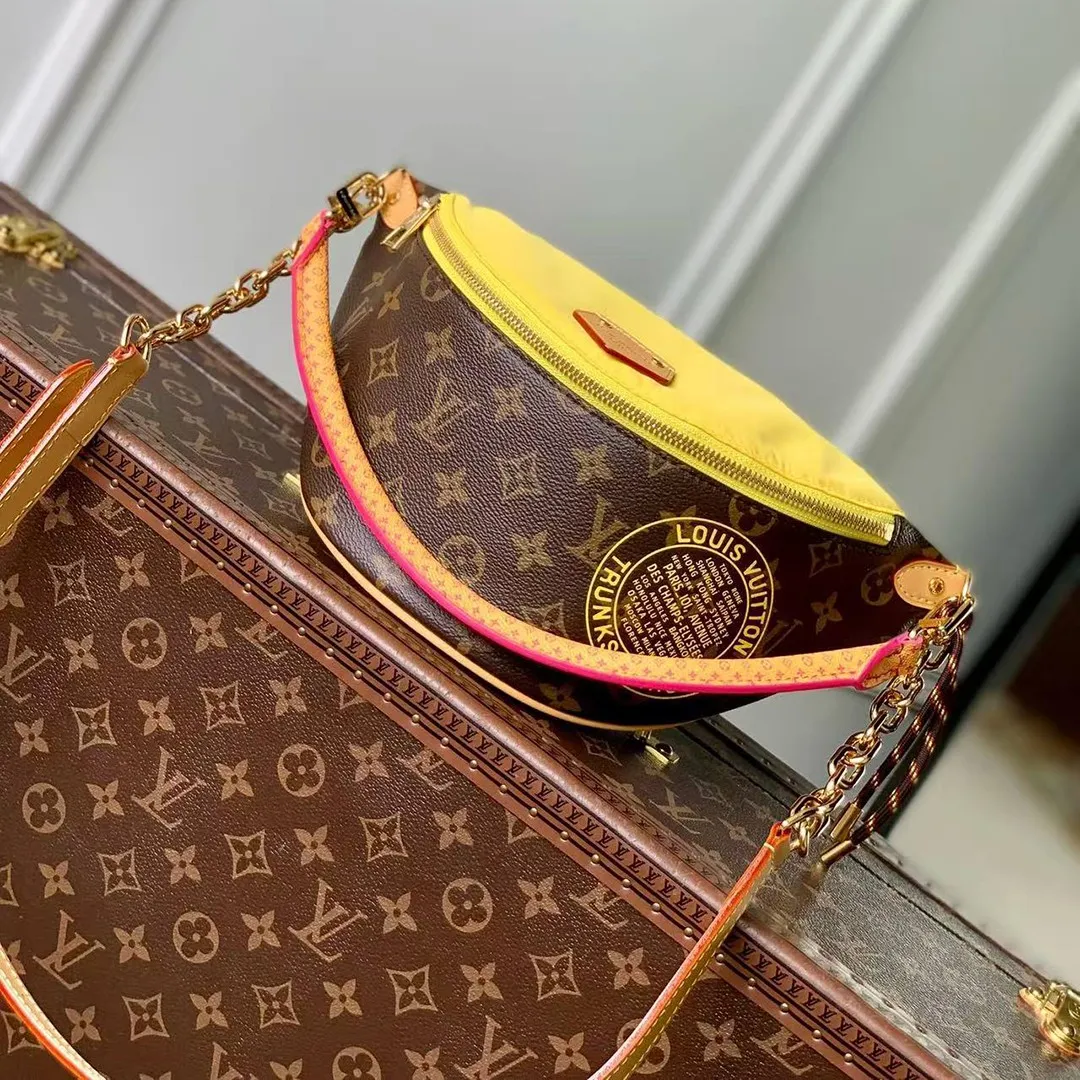
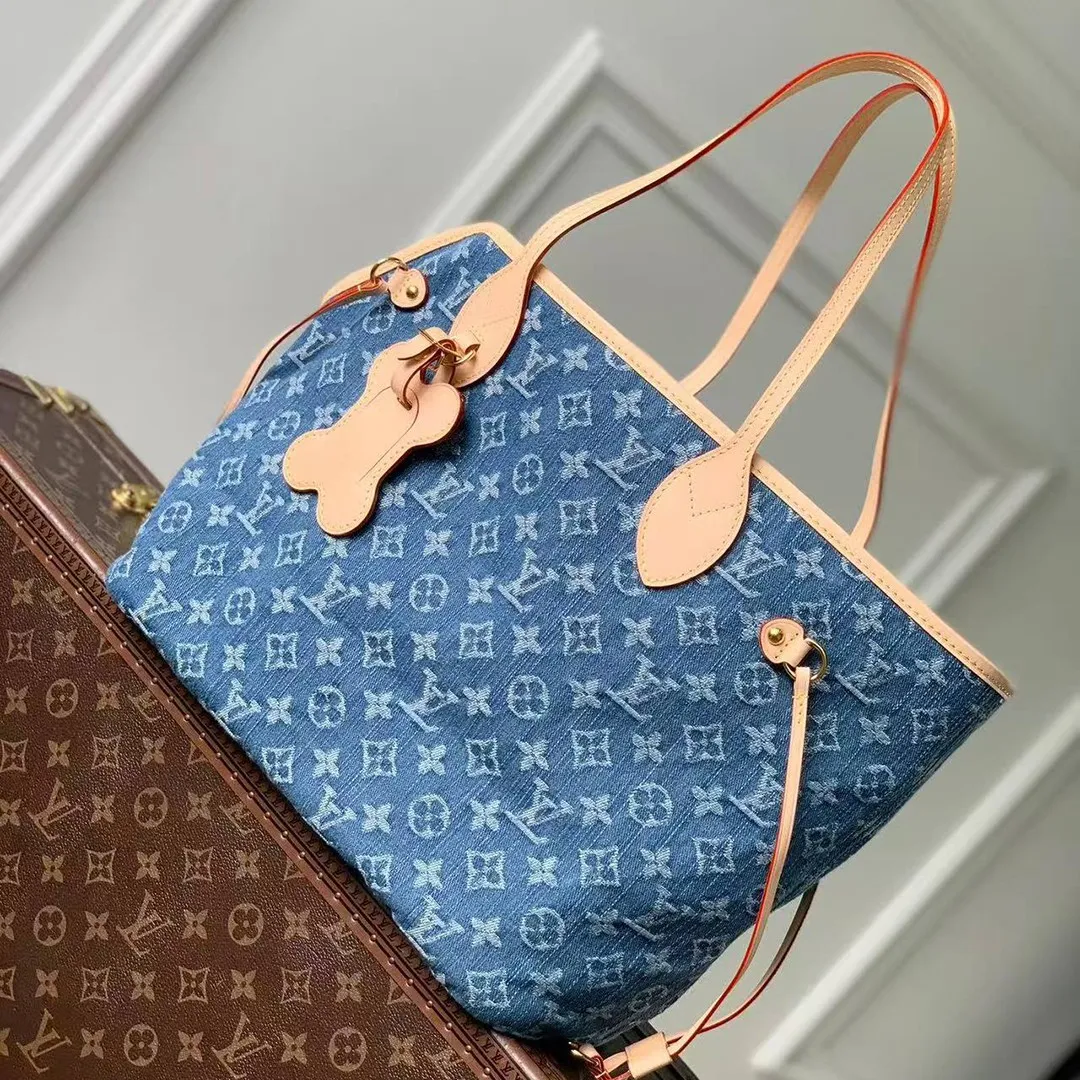
For market context on handbag pricing, Verified Market Research tracks the luxury handbag market and its growth.
Related reading: The Ultimate Women’s Handbag Buying Guide: How to Choose a Bag That La · The Complete 101 Buying Guide · Tote vs Shoulder Bag vs Crossbody: Which Shape Fits Your Life? · Full-Grain vs Top-Grain Leather: What’s the Real Difference in Bags?
Industry data and professional guidance from United States Leather support this view.