

Seasonal Handbag Styling: What to Carry in Spring, Summer, Autumn and Winter
August 15, 2026I used to change bags three times before leaving the house. The black one felt safe, the tan one felt warmer, the red one felt like a gamble, and I would stand in front of the mirror holding one in each hand like I was deciding something life-changing. It took me years to realize the problem: I was treating the bag as a separate decision instead of as part of the outfit. The moment I started treating it like one piece of the whole look, matching became almost automatic. That is what I want to walk you through here.
Forget the complicated color wheels and the lists of rules that fill fashion blogs. I have tested these shortcuts on real days, real commutes, real dinners, and real messy weather. They work, and they work with the bags most of us actually own, not the fantasy wardrobe of a magazine spread.
Rule One: Let the Bag and the Outfit Take Turns
The single biggest mistake I see is an outfit with three loud things happening at once. A printed dress, leopard shoes, and a bright bag is not a statement, it is noise. The fix is embarrassingly simple: one statement per outfit. If your clothes are plain, the bag gets to be the star. If your clothes are already doing the talking, the bag should be a quiet neutral that simply agrees with everything.
Here is a real example. A red structured bag with a plain black dress and simple heels looks deliberate, like you planned it. The same red bag with a floral jumpsuit and a patterned scarf looks chaotic. Same bag, same day, different result, and the only thing that changed was the rest of the outfit. Decide what the outfit is about, then let the bag either carry that idea or politely step back.
The Color Shortcut That Works Every Time
Matching your bag exactly to your outfit is costume territory. Nobody looks chic in a purple bag with a purple dress; they look like a theme park. The shortcut I actually use: keep the bag in the same color family as the outfit, one or two shades lighter or darker. A cognac bag with navy clothes works because cognac and navy sit in the same warm, deep family. A tan bag with an all-black outfit works because the tan warms it up instead of fighting it.
The neutral spine covers almost everything: black, tan, cognac, and gray. If you own one of those in a good shape, you can match it to roughly eighty percent of your wardrobe. My personal rule for colorful bags: the color has to work with at least three outfits I actually wear, or it does not come home with me. That one rule has saved me from a lot of pretty mistakes.
Shape Is a Sentence
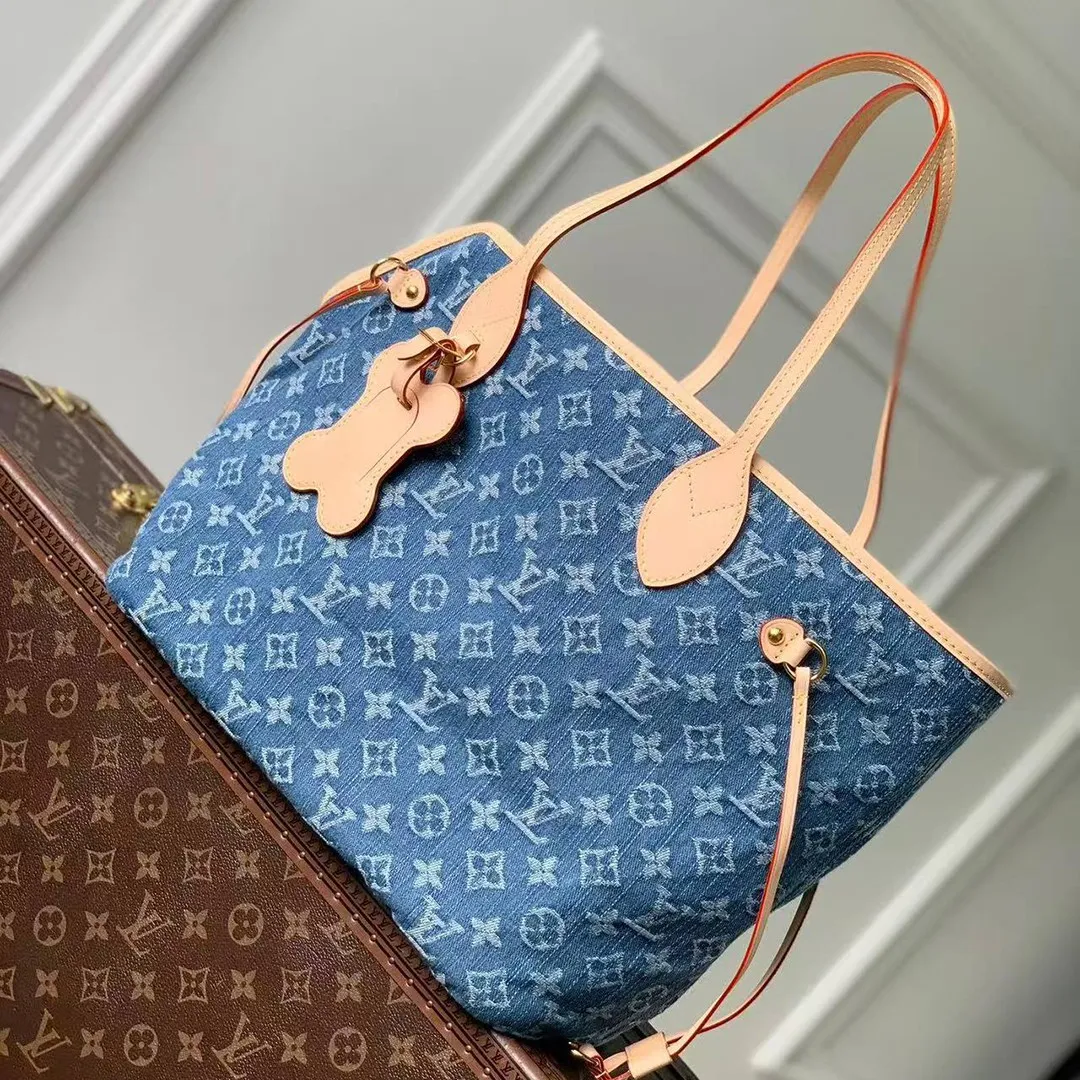
Color gets the attention, but shape does the real work. A structured tote says “I have my life organized.” A slouchy hobo says “I am relaxed and I mean it.” A chain shoulder bag says “we are going somewhere nice.” The shape should match the message of the moment, not just the color of your clothes.
Concrete example: for a morning of meetings I reach for a structured satchel or a tote that stands up on its own, because it reads professional and it actually holds a laptop. For Saturday errands I would wear a crossbody with the same jeans, because I need my hands for coffee and shopping bags. The bag is not decoration; it is a message about what kind of day you are having, so pick the message before you pick the bag.
Proportion, Strap Length, and the Mirror Test
Proportion matters more than people admit. A petite person carrying an oversized tote looks like they are moving house. A tall person carrying a tiny bag can look like they forgot something. The general guide that works: the bag should not be wider than your torso, and it should sit at a flattering point, mid-hip for crossbody straps, waist level for shoulder bags.
Hardware is the final detail. Match the metal on your bag to your jewelry, gold with gold, silver with silver. It is a tiny agreement that makes the whole outfit read intentional. Then do the mirror test: stand back, look at the entire silhouette, and ask if the bag is doing its job. Your eye is the final judge, not any rule I can write down.
Three Full Outfits, Start to Finish
Work: navy trousers, a white blouse, black loafers, and a black structured satchel with silver hardware. The bag matches the shoes, the hardware matches the jewelry, and nothing competes with anything. This outfit has saved me on days when I had zero time to think.
Weekend: faded jeans, a white tee, white sneakers, and a cognac crossbody. The bag adds the warmth and the polish that the rest of the outfit deliberately does not have. That is the trick with casual clothes: one elevated piece, and the whole thing looks chosen instead of thrown on.
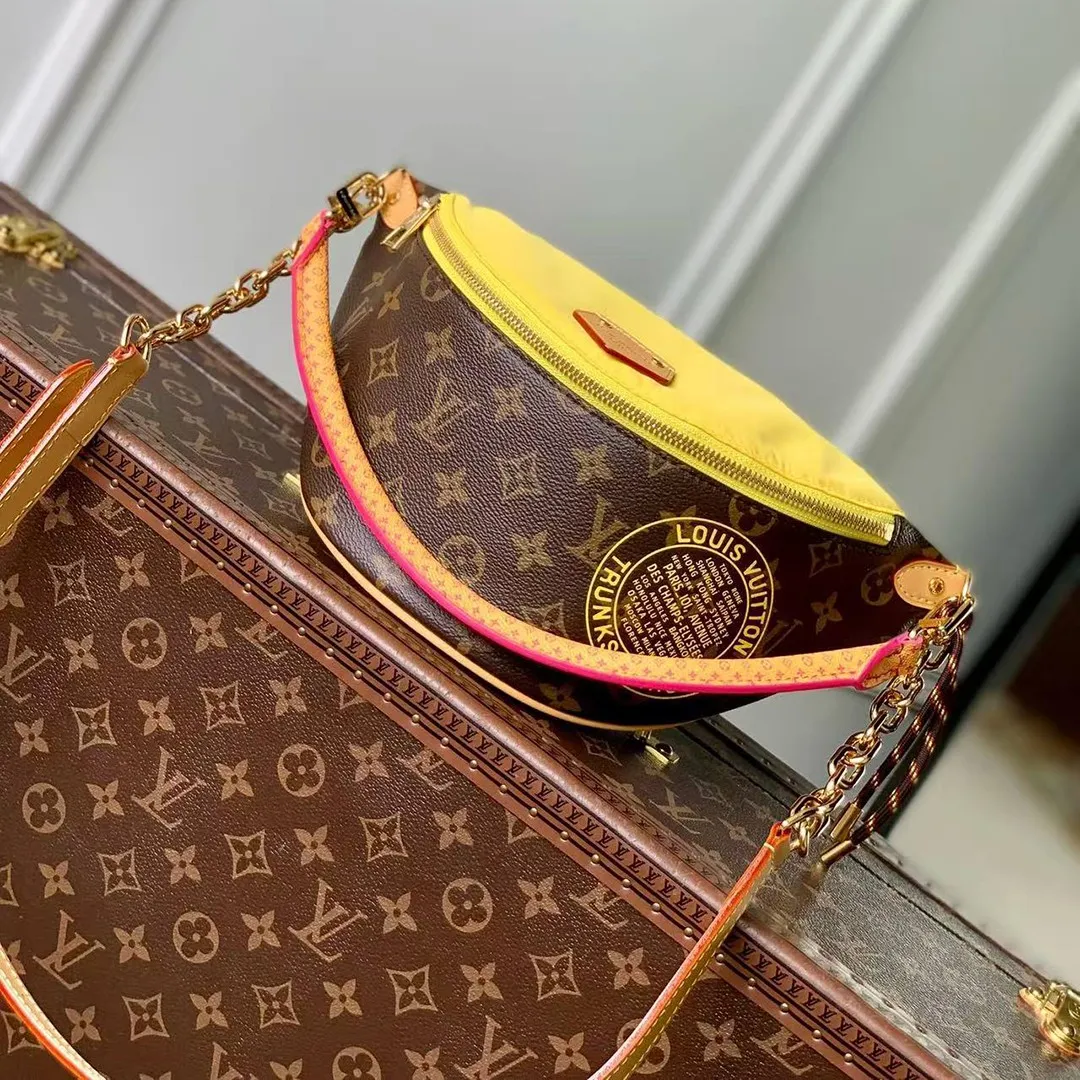
Evening: a black slip dress, gold hoop earrings, and a small gold-chain shoulder bag. The bag holds exactly what I need, and it gives the plain dress its only ornament. Three outfits, three different bags, three different messages, and not one of them required matching anything to anything else.
For context on where bag trends are heading, industry analysis from The Business of Fashion is worth a read.
Ready to find the bag that matches the way you actually live? Browse our women’s designer-inspired handbag collection and see which shapes speak to your wardrobe.
Related reading: How to Style Handbags: Matching Bags to Outfits for Every Occasion · The Complete 101 Buying Guide · Mini Bag vs Large Bag: How to Style Both · How to Style a Handbag with Dresses and Skirts
For the industry perspective, Vogue publishes regular updates on this space.