

Shoe Care 101: Cleaning, Conditioning & Storing Leather Shoes
August 11, 2026
Which Brand Has Good Crossbody Bags for Women?
August 11, 2026Shoes anchor an outfit. They are the first thing people notice and the last thing they forget, and they carry the entire visual weight of the look. A suit with the wrong shoes is a costume. Jeans with the right shoes look deliberate. Most people buy shoes for how they look in the box, and then wonder why the outfits never come together. The shoe is not an afterthought, it is the foundation, and this guide is about building outfits from the ground up.
You will learn the color rules that never fail, the shape logic that works for every occasion, the season-by-season playbook, and the coordination details that make outfits look intentional. Same principles for men and women, with the specific notes called out where they differ.
The Color Rules That Never Fail
Color is where shoe styling either works or falls apart, and the rules are mercifully simple.
Rule one: match the shoe to the outfit’s tone
Dark shoes with dark outfits, light shoes with light outfits, in the general sense. Black shoes with black or dark outfits read seamless. Brown shoes with earth tones and denim read natural. White sneakers with casual outfits read clean. The mismatch that kills most outfits is a heavy dark shoe with a light airy outfit, or a light shoe with a formal dark one.
Rule two: let the shoe be the statement or the anchor, not both
A red pump or a tan work boot is the statement; the rest of the outfit should stay quiet. When the outfit is already busy, pattern, texture, color, the shoe should be neutral. One statement per outfit applies to shoes just as it applies to bags.
Rule three: the leather family
Shoes, belt, and bag should live in the same leather tonal family. Black with black, brown with brown. This is the detail that makes an outfit look expensive without spending a cent more, and it is the single easiest styling upgrade available.
Shape Logic: What Each Shoe Says
Every shoe shape carries a message, and the message should match the moment.
- Oxford: formal, classic, sharp. The suit shoe.
- Derby: slightly more relaxed than the oxford, works with suits and smart separates.
- Loafer: polished casual, the bridge between formal and relaxed.
- Boot (chelsea, work, or dress): weight, attitude, and character, casual to smart-casual.
- Sneaker: modern, casual, versatile, from gym to street to smart-casual with the right pair.
- Mule and slide: relaxed, warm-weather, effortless.
- Heels (pump, block, kitten): formal to evening, with the block heel being the modern all-rounder.
The message should match the occasion: oxfords for suits, loafers for blazers, sneakers for everything else. When in doubt, ask what the outfit is saying and let the shoe say the same thing.
Work Styling: From Suits to Smart-Casual
For formal work, black or dark brown oxfords or derbies are the safe play, matched to the belt and the bag. The polish matters as much as the style: a well-polished shoe elevates a suit, and a scuffed shoe undermines it. For business casual, the loafer is the workhorse, in brown or black leather, paired with chinos or dress trousers. The suede loafer reads softer and works in warmer months; the leather loafer reads sharper year-round.
For creative and casual workplaces, a clean leather sneaker in white or a neutral tone is the modern default, paired with anything from jeans to tailored trousers. The rule for any workplace: when in doubt, one notch more formal than the room, and let the shoe match the bag and belt.
Casual Styling: Jeans, Weekends, and Everything Off
Off-duty is where shoes have the most freedom and the most risk. The reliable formulas: white sneakers with almost anything casual; brown boots with jeans, always; loafers with chinos or shorts in warm weather; and canvas or leather sneakers for the everything-else slot. The common thread is the neutral foundation: white, black, brown, tan. Those four colors in good quality cover a shocking range of casual outfits.
One rule for casual: the shoe should match the weight of the outfit. Heavy boots with light summer outfits look off. Delicate loafers with heavy winter coats look off. Match the visual weight, and the outfit comes together.
Seasonal Playbook
Spring: loafers, white sneakers, light leathers, and suede in protected settings. The color palette lightens, and shoes in tan, white, and light brown lead. Summer: mules, slides, espadrilles, and breathable leathers. Barefoot-friendly styles rule, and light colors dominate. Autumn: boots take over, chelsea and work boots in brown and black, and the palette deepens to match layers. Winter: the heavy rotation, insulated and waterproof boots for weather, and dark polished leathers for indoors. The seasonal rule: let the shoe weight match the season, and keep the neutral foundation constant so every outfit has a base.
Coordination: Shoes, Bag, Belt, and Socks
The full coordination system treats shoes, bag, belt, and socks as one unit. Shoes and belt match, bag joins the family, and socks are the quiet connector. For men, socks should be darker than the trousers or match the shoe; white socks with dress shoes is the classic error, and the sock should disappear into the outfit. For women, tights and hosiery join the system, and the shoe edge should read cleanly against the leg line.
The metal coordination applies too: buckles, hardware, and jewelry should agree in tone. And the watch strap is part of the leather family, a brown strap with brown shoes and belt is the full system.
The Care Connection
Styled shoes are cared-for shoes. The styling advice that nobody gives: a well-conditioned shoe with a soft sheen reads expensive at any price point, and a dry, dusty shoe reads cheap even if it cost a fortune. Polish is protection, not vanity, and it belongs in the styling routine as much as the care routine. Shoe trees, rotation, monthly conditioning, all of it shows up in how the outfit looks. If you take one styling tip from this guide, take this one: care for the shoes, and the shoes will carry the outfit.
Boot Styling: The Full Playbook
Boots deserve their own playbook, because they are the shoe category with the most personality and the most rules. The chelsea boot is the universal: it goes with jeans, chinos, and even tailored trousers, and it is the boot that fits the most lives. The work boot, in brown or black leather, is the casual statement, and it pairs with denim and flannel like nothing else. The dress boot is the formal option, and it works with suits in the colder months when oxfords feel thin.
The boot styling rules: match the boot to the trouser weight, heavy boots with heavy fabrics, slim boots with slim trousers. Let the boot be the statement when it is the statement, and keep the rest of the outfit quiet. And the seasonal rule: boots are autumn and winter territory, and they look right when the outfit has weight, which is why the first cold day is the first day boots belong.
The Sock Question: The Quiet Connector
The sock is the most underrated styling detail in footwear, because it is the quiet connector between the shoe and the trouser or leg line. For men, the rules are simple: socks should be darker than the trousers or match the shoe, and the classic error, white socks with dress shoes, should be retired permanently. With suits, the sock should be dark and disappear into the outfit; with casual wear, the sock can be the small statement, a pattern or a color that echoes the shirt.
For women, the hosiery joins the system: tights should coordinate with the shoe and the hemline, and the bare-leg summer look has its own rules, where the shoe edge reads cleanly against the leg. The sock and hosiery question is the detail that separates the dressed from the styled, because it is the piece people notice last and the piece that ties the whole line together, from the trouser hem to the shoe.
Dressing Up and Down: The Shoe That Transitions
The most valuable shoe in any wardrobe is the one that transitions, from work to evening, from casual to smart, from day to night. The transition shoe is usually a clean leather sneaker in white or a neutral, a loafer in a polished leather, or a minimalist boot, and the skill is in styling it up or down with the rest of the outfit. To dress a casual shoe up, sharpen everything else: tailored trousers, a blazer, a clean shirt, and the casual shoe reads as deliberate contrast rather than sloppiness.
To dress a formal shoe down, relax everything else: jeans, an open collar, a knit, and the formal shoe anchors the relaxed outfit, preventing it from sliding into sloppiness. The transition shoe is the one that makes a capsule wardrobe possible, because it multiplies the outfits, and the buyer who owns one quality transition shoe owns a wardrobe that travels between occasions without a costume change.
The Shoe Wardrobe: Building the Capsule
The styled shoe wardrobe is a capsule, and it is smaller than most people think. The capsule for most lives: one pair of everyday shoes, a leather sneaker or loafer in a neutral, one formal pair, black or brown oxfords or pumps, one casual pair, boots or weekend shoes, and one seasonal or statement pair, the summer sandal, the winter boot, the colored accent. Four pairs cover the wardrobe, and each pair is chosen to work with multiple outfits, which is the definition of a capsule.
The capsule rule is the same as everywhere: neutral foundations, quality materials, and one statement. Each pair in the capsule should pass the versatility test, it works with at least three outfits, and the capsule should be built in the right order, the everyday pair first, then the formal, then the casual, then the seasonal. The buyer who builds the capsule buys fewer shoes and wears more of them, and the styled outfit follows, because the capsule is the styling.
Related Guides in This Series
The Complete 101 Buying Guide · Shoe Gift Guide: Choosing Footwear as a Gift That Always Fits · Shoe Care 101: Cleaning, Conditioning & Storing Leather Shoes
Ready to anchor your outfits? Browse our designer-inspired shoe collection and find the pairs that tie your wardrobe together.
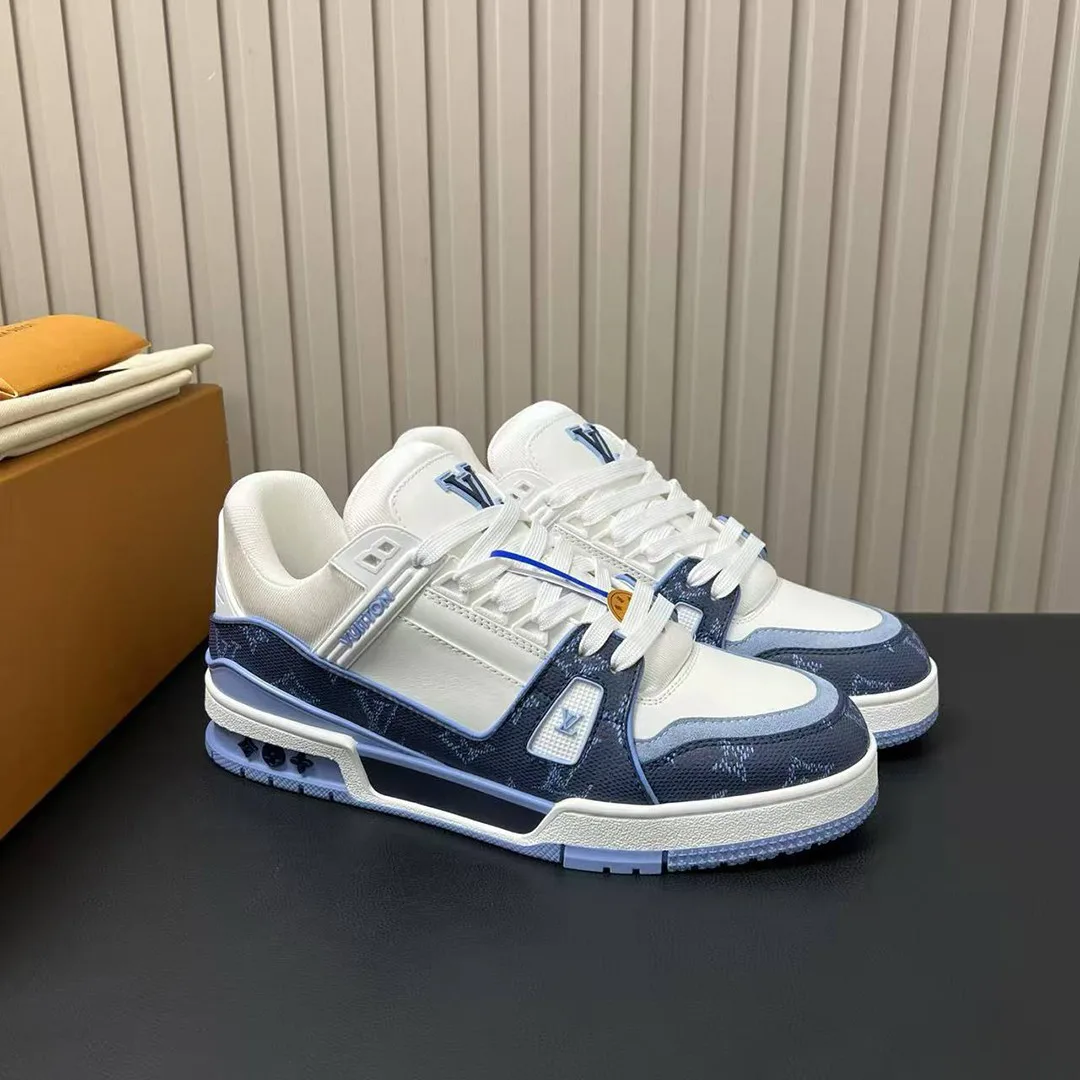
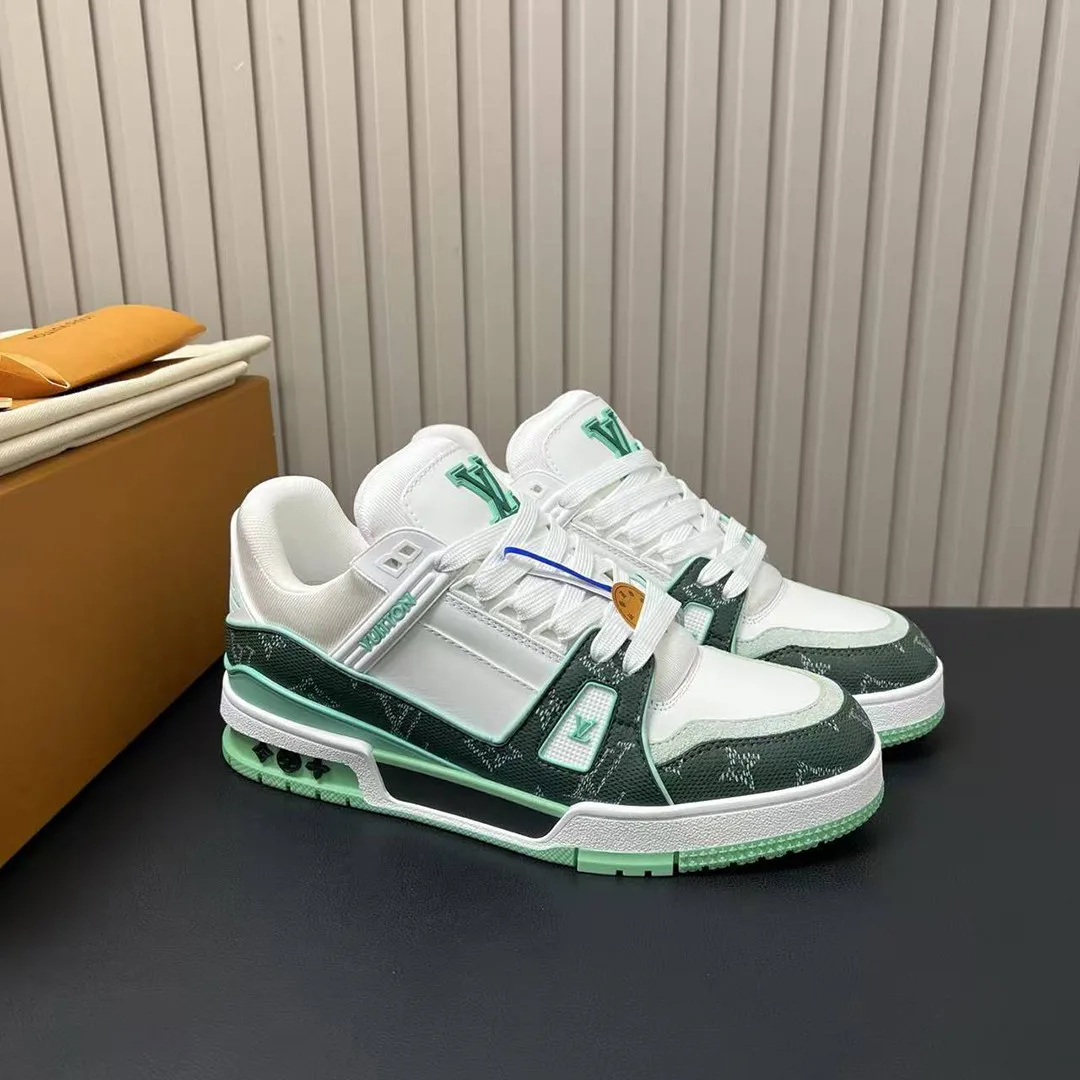
For more on footwear style trends, WWD covers how shoes shape fashion.
Industry data and professional guidance from Vogue support this view.