

Leather Goods, Bags & Shoes: The Complete 101 Buying Guide
August 10, 2026
What Is the Right Time to Change Your Wallet or Purse?
August 10, 2026Buying a handbag is one of those purchases where people either overthink everything or nothing at all. I have done both. I have bought bags on impulse because they were pretty in the photo, and I have spent weeks agonizing over leather grades for a bag that ended up being the wrong size anyway. After more than a decade of carrying, collecting, and occasionally regretting handbags, I can tell you this: the buying process is simpler than the marketing makes it look, but there are about seven decisions that actually matter. Everything else is decoration.
This guide walks through those decisions in the order they should happen. Not the order the salesperson wants them to happen. You will learn what separates a bag that lasts five years from one that falls apart in eight months, why size matters more than style, and how to match a bag to your life instead of matching your life to a bag. At the end, you will know exactly what to look for the next time you are standing in front of a wall of handbags.
Start With How You Live, Not How You Want to Look
The single most common buying mistake is picking a bag for an imaginary life. The gym bag that never goes to the gym. The tiny evening clutch that gets carried twice a year. The oversized tote that is beautiful but too heavy to wear for more than an hour. Before you look at any leather, write down what your week actually looks like. Commute with a laptop? You need structured straps that do not dig in. Weekend errands with kids? Hands-free matters more than polish. Mostly evenings out? A small bag with a chain strap beats a tote you will never grab.
Every bag shape exists because someone needed it. Totes carry. Crossbodies keep your hands free and your phone accessible. Satchels hold a middle ground with structure. Shoulder bags sit high and classic. Top-handle bags read polished and work for both day and evening. The right answer is rarely one bag. Most women I know rotate two or three, a workhorse and a statement, and that rotation also keeps the leather healthier, because bags that rest between wears last longer.
Leather Quality: The Difference You Can Feel
Here is the thing nobody tells you in the store: leather quality is not a mystery, it is a set of observable signals. Learn them once and you can walk into any shop and judge a bag in sixty seconds.
Full-grain vs top-grain vs bonded
Full-grain leather keeps the natural surface of the hide, including its grain and character. It develops a patina over time, darkens slightly, and becomes more beautiful with age. This is the leather that lasts decades. Top-grain leather is sanded to remove imperfections and then often embossed with a fake grain pattern. It looks uniform and feels smooth, but it does not develop the same patina, and it hides damage rather than aging gracefully. Bonded leather is the one to avoid: it is made from leather scraps glued together with a polyurethane coating, and it peels within a couple of years no matter how careful you are.
A quick test: press your thumb into the leather. Full-grain and good top-grain feel supple and return slowly. Bonded leather feels stiff and plasticky, and it often has an unnaturally uniform texture. Smell matters too. Real leather has a warm, organic scent. Bonded leather smells like glue and chemicals.
Stitching, hardware, and edges
Flip the bag inside out if you can. Stitches should be even, tight, and consistent in spacing. Look at the stress points, where the strap meets the bag, where the handle attaches, where the zipper ends, because that is where cheap bags fail first. Hardware should feel substantial. A zipper that is smooth and heavy, a chain that does not flex easily, a clasp that clicks solidly, these are the details that separate a quality bag from a costume piece. Edges should be painted or sealed, not raw and fraying. Raw edges are not rustic, they are unfinished, and they will start to peel.
Size: Measure What You Carry, Not What You Hope To
Size is the decision people get wrong most often, and it is also the easiest to get right. Take out everything you carry on a normal day: phone, wallet, keys, sunglasses, lip balm, whatever is in your bag right now. Put it in a pile. That pile is the minimum size your bag needs to be. Then add a little room for the things you pick up during the day, a water bottle, a book, a purchase. Now measure the pile with a tape measure. A bag that fits those dimensions plus two inches in every direction is the right size.
Be honest about your phone. Phones keep getting bigger, and a bag with a pocket that technically fits your phone but makes it a struggle to retrieve will annoy you every single day. Check the internal organization: how many pockets, how deep they are, whether there is a zip compartment for valuables. A bag with good internal organization feels bigger than it is, and a bag without it feels smaller.
Match the Bag to the Occasion
A bag does not need to work for every occasion, it needs to work for the occasions you actually have. Let the dominant use case drive the shape.
Work and commute
Structured totes and satchels in medium or large sizes dominate here. You want a bag that stands up on its own, sits flat on a desk, and fits a laptop or tablet. Look for a removable pouch or organizer pocket for the small stuff, because digging through a tote for your keys is a daily tax you will hate paying.
Weekend and errands
Crossbodies and hobo bags win this category. Hands-free, comfortable straps, and a relaxed shape that does not need babying. Canvas or leather both work, but leather crossbodies age beautifully and go from errands to dinner without looking out of place.
Evenings and events
Small shoulder bags, clutches, and mini top-handle bags. The rule here is simple: you should not have to think about the bag. It should sit comfortably, hold the essentials (phone, card case, lip balm, keys), and stay out of the way. A chain strap adds polish but digs in after a few hours, so test the weight distribution before you commit.
Color and Versatility: Buy the Neutrals First
Color is where personal taste should win, but there is a strategy that serves most people better than pure impulse. Buy the neutral first: black, tan, cognac, or brown. A neutral bag goes with everything you already own, and it is the bag you will reach for most. Then, if you want a second bag, that is the time for color or pattern. The red bag, the white bag, the seasonal print, these are joyful purchases, but they work best as additions, not foundations.
One practical note on light colors: white, cream, and pastel leathers show wear faster and are harder to clean. If you want a light bag, budget for more careful handling and more frequent conditioning. Dark leathers hide everyday scuffs, which is why black and brown remain the workhorses of every wardrobe.
Budget: Where to Spend and Where to Save
Here is my honest framework for handbag budgets. Spend on structure, leather, and hardware, the things that determine whether the bag lasts. Save on brand name, seasonal styling, and anything trendy. A no-name full-grain leather tote from a good maker will outlast a designer bag made from bonded leather, and it will do it for a fraction of the price.
Buying pre-owned is a legitimate strategy. The resale market for leather bags is large and active, and a gently used bag from a quality brand costs a fraction of retail. What matters is condition: inspect the lining, the straps, and the zipper, because those fail before the leather does, and get authenticity confirmation for designer pieces. A fake is worth nothing, and fakes are everywhere, even in reputable-looking listings.
Quality Signals Checklist
Before you hand over your money, run this checklist. It takes sixty seconds and it has saved me from more bad purchases than any review I have ever read.
- Leather type: full-grain or high-grade top-grain, never bonded
- Stitching: even, tight, reinforced at stress points
- Hardware: substantial, smooth zippers, solid clasps
- Edges: sealed or painted, not raw
- Lining: clean, durable, properly attached
- Straps: comfortable, reinforced where they attach
- Smell: leather, not chemicals
- Weight: reasonable for its size, no unexpected heaviness
If a bag passes all eight, it is built to last. If it fails more than two, walk away, no matter how good it looks in the mirror.
After You Buy: The First Month Matters
The first month sets the pattern for the bag’s whole life. Condition it before first use with a quality leather conditioner, so the leather starts with moisture in it. Protect it against rain with a waterproofing spray designed for leather, and reapply it every few months. Keep the dust bag it came with, and store the bag stuffed with paper or a cloth when you are not carrying it, so it keeps its shape. Empty it out weekly and give it a quick wipe-down; you will be surprised how much dust and debris a bag collects in a week.
If you keep up this routine, the leather will soften, develop character, and look better at year three than it did at month one. If you skip it, the same bag will look tired by year one. The care is not complicated. It is just consistent.
Related Reading
The Complete 101 Buying Guide · How to Style Handbags: Matching Bags to Outfits for Every Occasion · Handbag Trends to Watch: What’s In, What’s Out, and What’s Worth Buyin
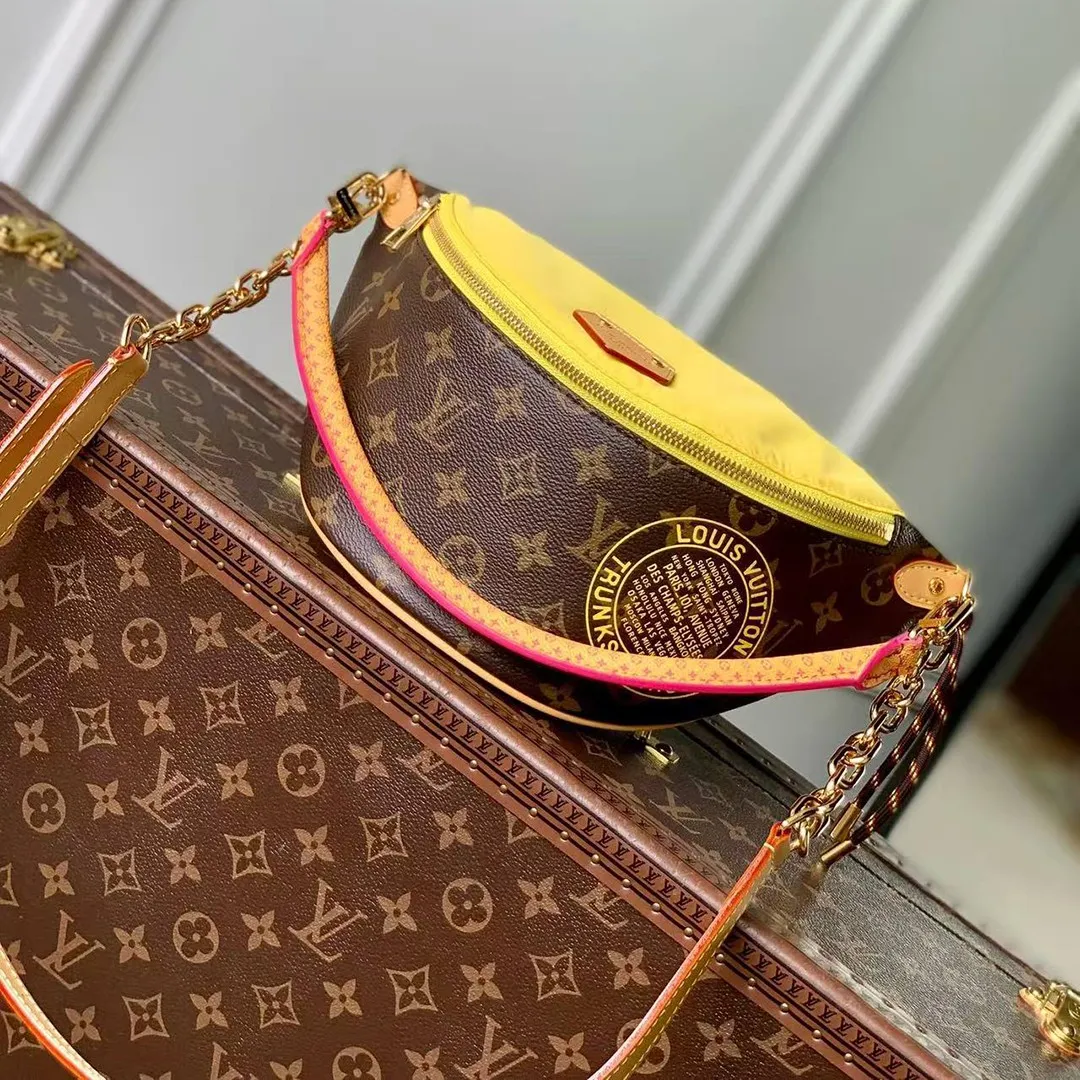
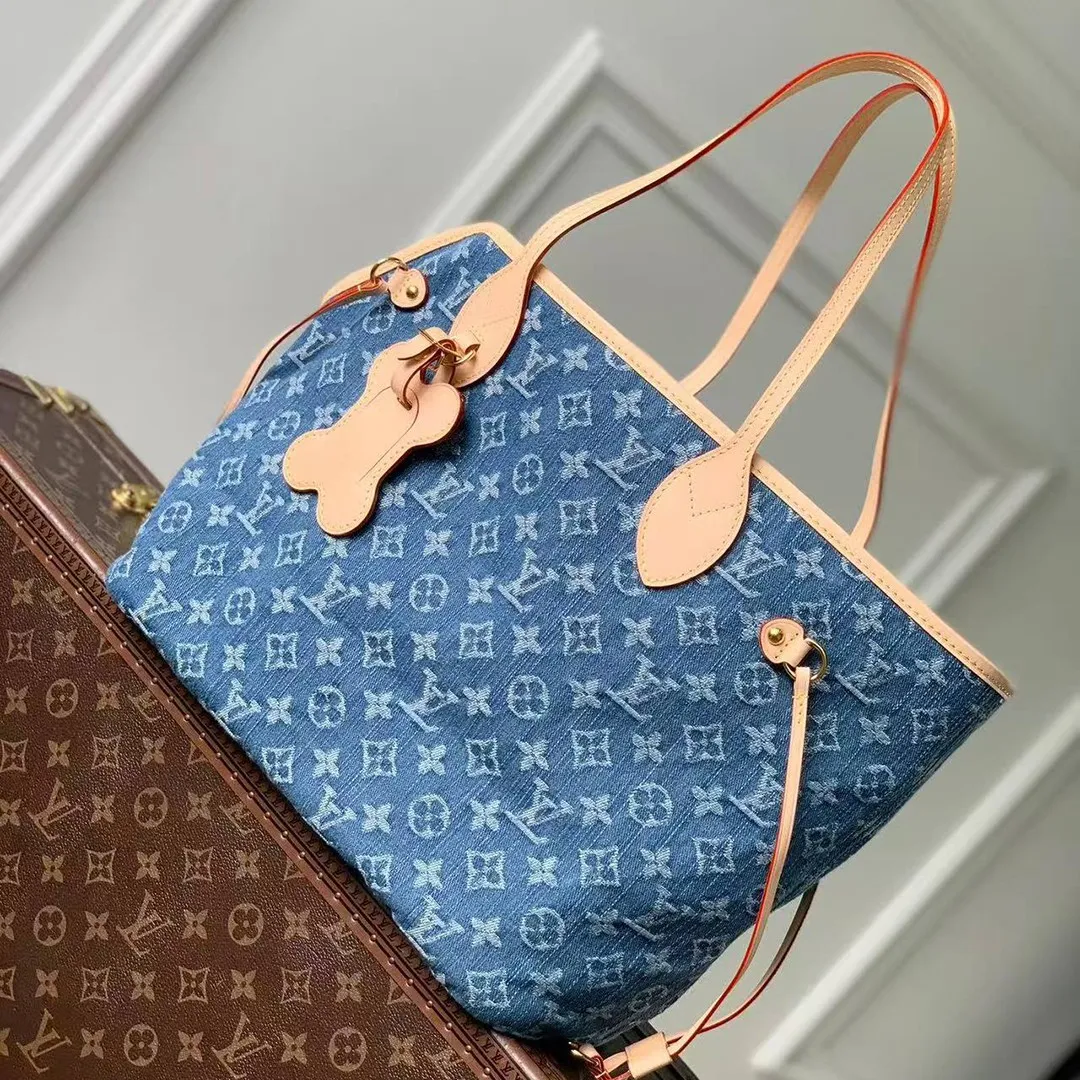
For the latest on the handbag market, industry coverage from Verified Market Research offers up-to-date context.
And if you are ready to shop, browse our women’s designer-inspired handbag collection to see full-grain quality you can judge with these exact signals.
For more on this topic, the experts at United States Leather offer detailed guidance.