What Jewelry Makes the Best Gift for Women?
August 8, 2026
What Is Your Go-To Casual Shoe Style for Men Today?
August 9, 2026There is a lot of bad advice out there about dressing for a curvy figure, most of it telling women what to hide. The better approach is to ignore the “hide this, cover that” rulebook entirely and focus on fit, fabric, and silhouette. When clothes fit well and skim the body instead of clinging or drowning it, the result looks good on any figure.
I have helped friends shop for everything from jeans to formal dresses, and the pieces that got the most compliments were rarely the ones fashion rules predicted. They were the ones that fit properly and felt comfortable. Here is what actually matters.
Fit Comes Before Everything
Size tags are suggestions, not verdicts. The single most flattering thing you can do is buy clothes that fit your actual body, even if that means a size larger or smaller than you expect. Clothes that are too tight create unflattering bulges and constant adjusting. Clothes that are too loose add visual width and hide your shape entirely. The sweet spot is fabric that follows your body without pulling or gaping.
This is where tailoring pays off. A waist that is taken in on a dress, or sleeves that are shortened on a jacket, transforms an average piece into a great one. If you buy off the rack, budget for alterations on the pieces you love.
Fabrics and Silhouettes That Work
Fabric choice matters more than any style rule. Fabrics with some structure and stretch, like ponte knit, stretch denim, and scuba, hold their shape and skim the body. Stiff fabrics like heavy tweed or unforgiving linen can fight your curves and look boxy. Avoid thin, clingy knits that show every line unless that is the look you want.
For silhouettes, the classic winners are: high-waisted bottoms that define the waist, wrap dresses and wrap tops that create a V line, A-line skirts that balance proportions, and V-necks that elongate the neck. Peplum tops, which flare at the waist, work on many curvy figures. The common thread is definition at the waist and balance between top and bottom.
Accessories and Shoes: The Finishing Balance
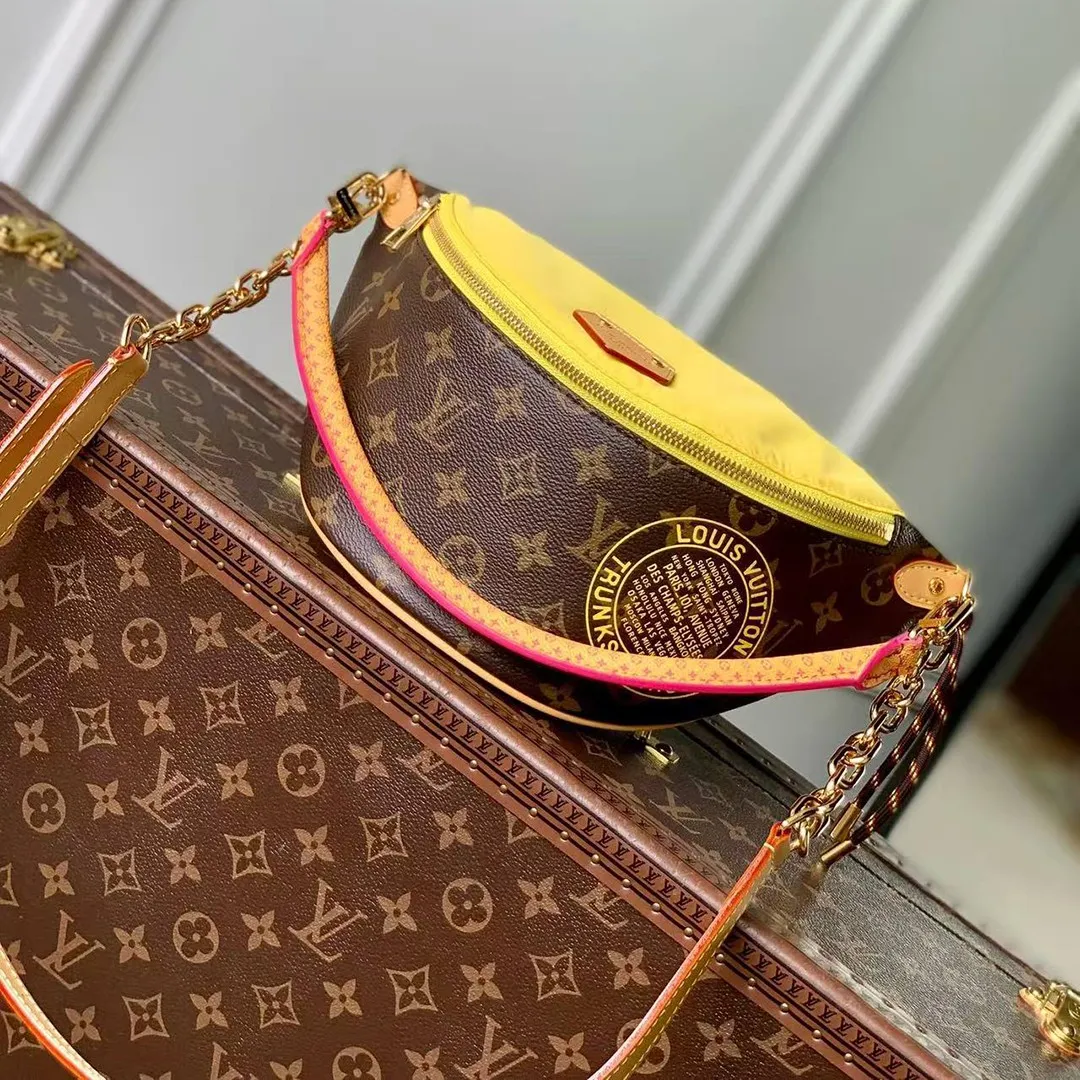
Accessories balance an outfit rather than fix it. A belt at the waist defines the silhouette. Long necklaces create a vertical line that lengthens the torso. Structured handbags, like a medium tote or a top-handle bag, echo the curves of the body nicely, while tiny bags can get lost.
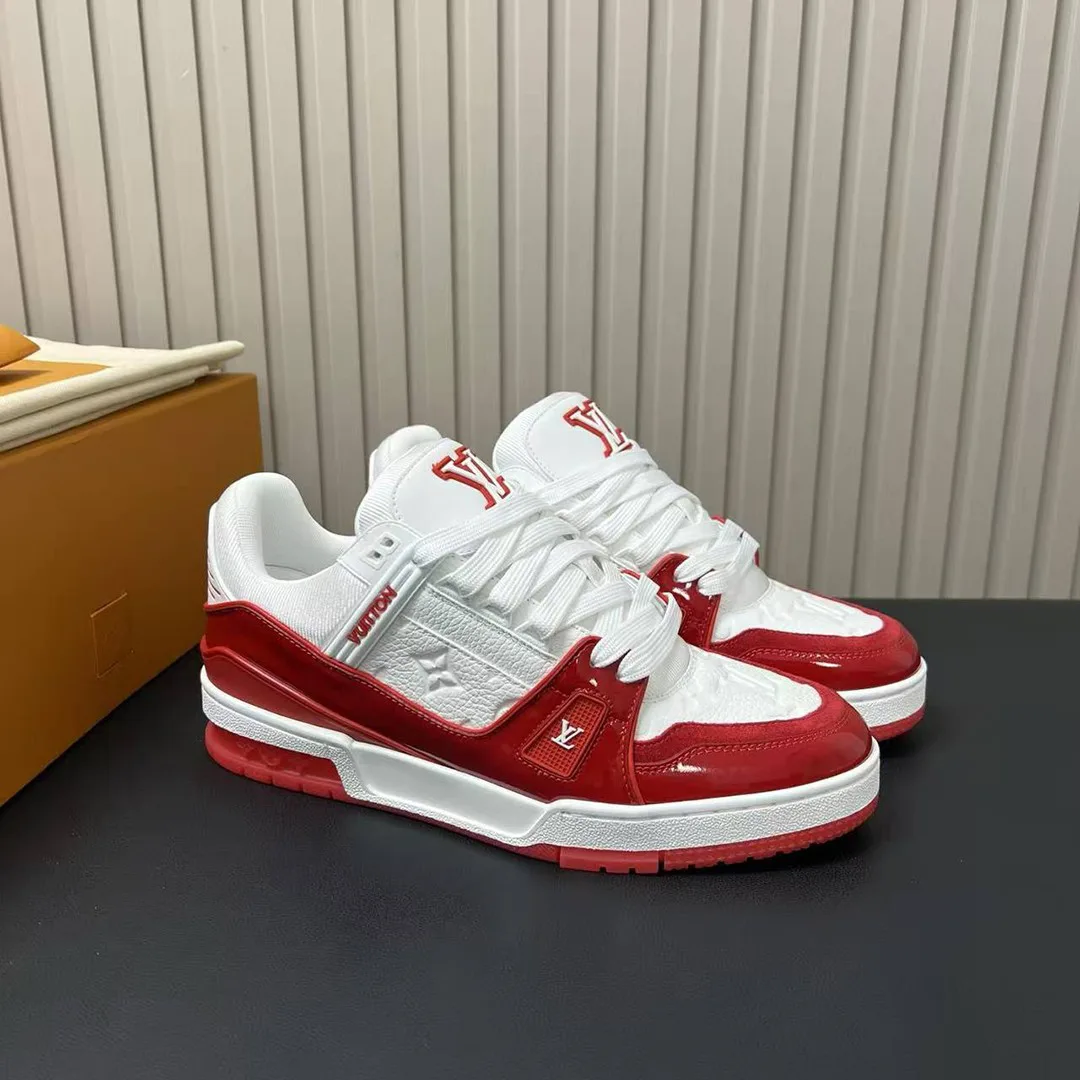
Shoes matter for proportion. Chunky heels and block heels balance a fuller figure better than spindly stilettos, and they are easier to walk in. Pointed toes elongate the leg line. Avoid ankle straps that cut across the ankle unless you love the look, because they visually shorten the leg. A low block heel or a pointed flat works beautifully with most curvy outfits.
What to Ignore Completely
Ignore the rules that tell you to hide your arms, your hips, or your chest. Ignore the idea that black is the only slimming color; color blocking and brighter pieces photograph and look great when the fit is right. Ignore age-based dress codes entirely. If a style makes you feel good, it looks good, and confidence changes how every outfit reads.
One practical note: shop in stores with good return policies and buy the same piece in two sizes if you are unsure. Trying both at home in your own mirror beats guessing in a fitting room under harsh light.
The Bottom Line
The clothes that look best on curvy women are the clothes that fit, skim, and flatter, chosen in fabrics with give and structure, styled with waist definition and balanced accessories. None of that is mysterious or restrictive. It is just dressing with attention to proportion, which is exactly how everyone should dress.
Complete your look with the right pieces: explore our designer inspired handbags for structure that balances curves, or check our shoe collection for block heels and pointed flats that finish the outfit.
Real women, real answers: the Quora thread has practical advice from people who live it.