
How to Style Accessories: Belts, Scarves, Sunglasses & Jewelry Done Right
August 12, 2026
How Can I Repair Peeling Leather From My Purse?
August 12, 2026Accessories move faster than any other category in fashion, because they are small, cheap to produce, and easy to try, which means trends cycle through them at double speed. The belt you bought last season can feel dated this season, and the sunglasses that were everywhere can vanish overnight. But underneath the churn, a few currents have real momentum, and knowing the difference between a current and a fad is the entire skill of shopping accessories.
This guide covers the big currents in accessories right now, the micro trends circulating, and the framework for buying trends without building a drawer of regret. The same rules apply whether you shop for men’s or women’s accessories.
The Big Currents
Quiet luxury reaches accessories
The minimal-branding, maximum-materials movement that reshaped bags has reached accessories. Belts with plain polished buckles, scarves without logos, sunglasses with discreet branding, and jewelry that whispers rather than shouts. The trend is partly aesthetic and partly practical: understated accessories work with more outfits, age better, and do not date themselves. For buyers, this is excellent news, because it means quality now reads as the premium choice, and a no-logo piece from a good maker holds its own against designer names.
Personalization and meaning
Accessories are becoming more personal: monogrammed pieces, initial jewelry, meaningful charms, and small goods with personal touches. The trend reflects the broader shift toward fewer, more meaningful purchases. It also rewards quality, because personalization only works on pieces worth keeping. For buyers, this means the classic shape in quality materials, personalized, is the gift and the purchase that keeps its value.
Sustainability as a driver
Buyers increasingly ask where accessories come from and how long they last, which drives demand for full-grain leather, repairable construction, and transparent sourcing. The accessories market has responded with more quality-first products, and the resale market for accessories has grown. For buyers, the practical meaning is the same as everywhere else: the quality signals matter more than ever.
Micro Trends: What’s In Right Now
Textured leathers
Croco-embossed, pebbled, and woven leathers are the current texture of choice in belts, small goods, and even watch straps. Textured leather adds interest without color, hides wear, and elevates simple outfits. It is the trend with the most staying power, because it is a material upgrade, not just a style.
Chain details
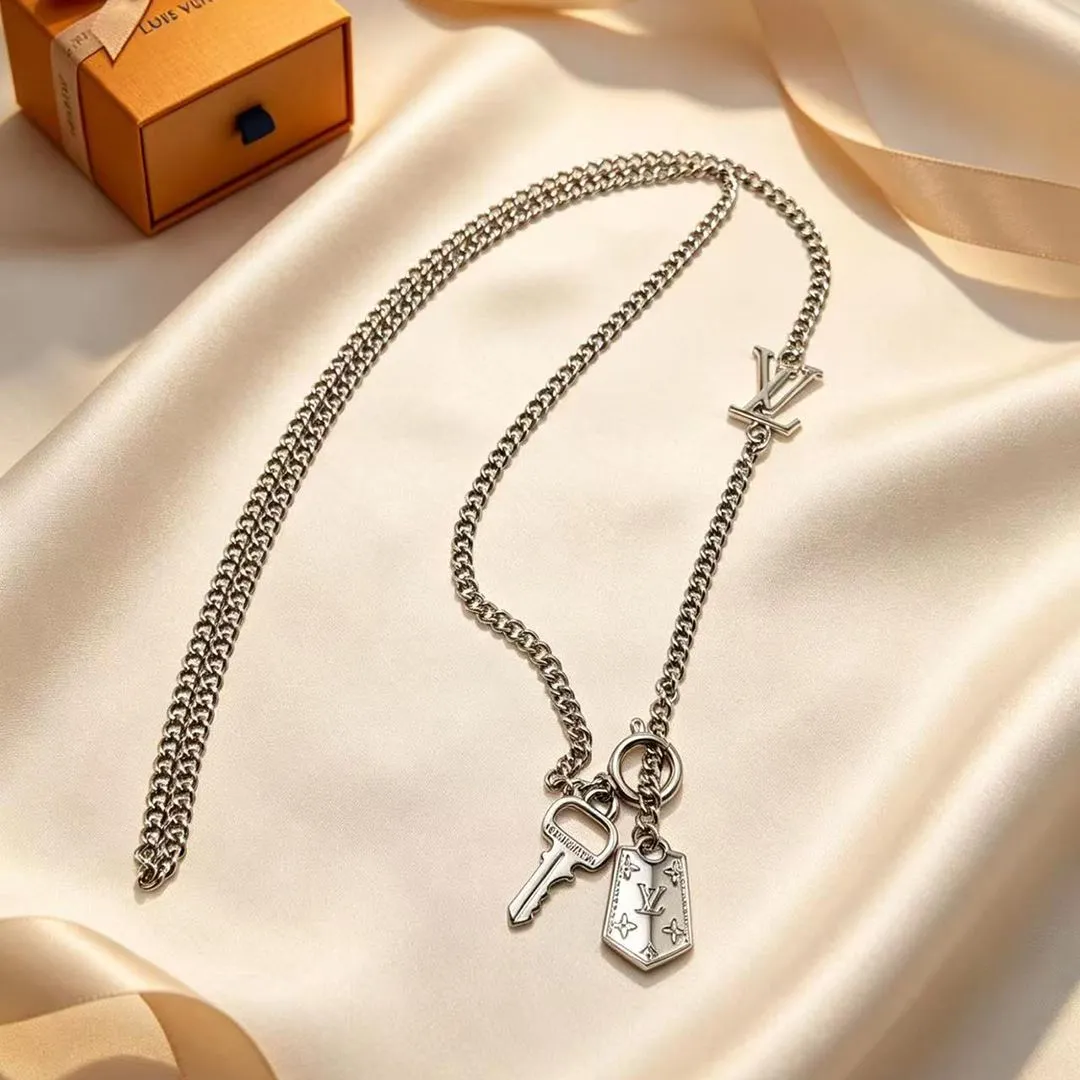
Chunky chains, on bags, as necklaces, and as belt hardware, are having a strong moment. Chain accessories read modern and add visual weight. The risk is that chains are a love-it-or-hate-it detail, and they date faster than other trends, so buy them as the statement piece, not the foundation.
Oversized and sculptural shapes
Oversized sunglasses, sculptural earrings, and bold belt buckles continue to circulate. These are the runway-adjacent trends, and they work best as the one statement in an otherwise quiet outfit. They are also the fastest to date, which makes them the perfect candidate for the twenty percent trend allowance.
Color accents
While neutrals dominate the foundation, trend-driven buyers are reaching for burgundy belts, olive scarves, and butter-yellow accents. Color accents are the safest trend purchase in accessories, because they can be worn with neutral foundations and retired when they date, without wrecking the wardrobe.
What’s Out (And Why It’s Fine to Ignore the Out List)
The accessory “out” lists are the most aggressive in fashion, because accessories cycle fast. Logos are cooling, fast-fashion accessory sets are cooling, and anything that screams a specific season is cooling. But the truth is the same as everywhere: a piece you love and wear is never out of style. The useful signal is not the out list, it is the discomfort test. If an accessory requires constant attention, constant adjustment, or constant justification, it is out of fashion, because the fashion right now is ease.
Do not clear out your accessory drawer because a trend list said so. Keep what you wear, retire what you do not, and let the trends orbit the pieces you love.
How to Buy Accessory Trends Without Regrets
Accessories are the cheapest way to participate in trends, which makes them the safest place to experiment, but the rules still apply.
The 80/20 rule
Eighty percent of your accessory collection should be classic: neutral colors, classic shapes, quality materials. Twenty percent can be trend-driven: the chain detail, the color accent, the sculptural piece. This ratio keeps the collection current without letting it date.
The one-season test
Before buying a trend accessory, ask: would I still wear this next season if every fashion outlet declared it dead tomorrow? If yes, buy it. If the answer is “I would feel weird,” skip it, because an accessory you hesitate to wear is an accessory you will not wear.
Buy the interpretation, not the extreme
The runway version of every accessory trend, the enormous buckle, the sculptural earring, the avant-garde frame, is for photos. The interpretation, a textured leather belt, a chain accent, a classic frame with a twist, is for life. Buy the interpretation.
Quality first, trend second
A quality classic in a trendy material beats a trendy cheap piece every time. When the trend fades, the quality piece still works, and the cheap piece is drawer clutter. Accessories are small, but the arithmetic of quality is the same as everywhere.
Market Context: Why Trends Matter for Value
Trends affect value in accessories more than people expect. The global luxury accessories market continues to grow, and the resale market for quality accessories, belts, scarves, jewelry, has matured. The practical meaning: classic accessories in quality materials hold value, trend pieces depreciate fast, and the resale market is built on the classics. If you care about the long game, let the trend pieces be the affordable fun and put your real money into the foundations.
The Resale Angle: Why Accessories Hold Value
Accessories have a resale angle that most people miss, and it changes the buying math. Quality accessories in classic styles, leather belts, silk scarves, gold jewelry, hold value remarkably well, because they are small, durable, and always in demand. The resale market for accessories has grown accordingly, and a well-chosen classic accessory can be sold for a surprising share of its original price years later.
The practical meaning: buying quality accessories is not a cost, it is a transfer, because the piece keeps value while it serves you. Trend accessories, by contrast, depreciate to near zero, because nobody wants last season’s novelty. The same 80/20 logic applies with a financial edge: the classics are the foundation of the collection and the foundation of the resale value, and the trends are the fun that you write off. Buy with both eyes open, and the accessory drawer becomes an asset.
How to Participate in Trends Without a Big Budget
Participating in accessory trends does not require a big budget, because accessories are the cheapest category in fashion. The strategy is to spend on the classics and play with the trends at the margins: a classic belt in the current textured leather, a neutral scarf in the season’s color, a classic frame in the current shape. These pieces are affordable, and they keep the wardrobe current without risking the foundations.
The second strategy is the one-in-one-out rule: for every trend accessory that enters the drawer, one unworn piece leaves it. This keeps the collection from growing without bound, and it forces the honesty that separates the trend you will wear from the trend you will not. The third strategy is timing: buy the trend late in its cycle, when the prices drop, and wear it for the season it has left. The late buyer pays less and looks current; the early buyer pays more and looks dated sooner.
Regional Accessory Trends
Accessory trends are regional before they are global, and the map is worth knowing. In Europe, the leather belt and the silk scarf remain daily essentials, and understated metal jewelry dominates, with the classic pieces holding steady against the trend cycle. In North America, the oversized sunglasses and the statement watch lead, and the casual accessory, the canvas belt, the sporty frame, has the biggest market. In Asia, the trend cycle moves fastest, with chain details and textured leathers arriving first, and the innovation in materials often starts there.
What this means for buyers: the regional default is usually the safe buy, because it fits the local life, and the regional leading edge is the trend forecast, because what is big in Seoul and Tokyo reaches the rest of the world a season or two later. The buyer who watches the map buys the trend late enough to be confident and early enough to be current, and the buyer who ignores the map buys whatever arrives, which is always the tail end of someone else’s trend.
The Trend Buyer’s Calendar
Trend buying has a calendar, and timing the purchases makes the trends cheaper and safer. Buy the seasonal trends late in their cycle: the prices drop, the quality improves as the fast-fashion copies fade, and the trend still has a season of wear left. The late buyer pays less and looks current; the early buyer pays more and looks dated sooner. Buy the foundational pieces in the off-season: the winter accessories in spring, the summer pieces in autumn, when the selection is wider and the prices lower.
The calendar also spaces the purchases: one trend piece per season, maximum, keeps the collection from accumulating, and the one-in-one-out rule, every trend piece that enters, one unworn piece leaves, keeps the drawer honest. The trend buyer with a calendar buys the trends as accents, wears them fully, and retires them without regret, and the calendar is the difference between a trend wardrobe and a trend graveyard.
Related Guides in This Series
The Complete 101 Buying Guide · Accessories Buying Guide: Belts, Scarves, Sunglasses, Jewelry & More · How to Style Accessories: Belts, Scarves, Sunglasses & Jewelry Done Ri
Curious what is current? Browse our designer-inspired accessory collection and see which trends we are carrying this season.
For accessory market analysis, Vogue Business tracks the trends shaping the accessories industry.
Industry data and professional guidance from The Business of Fashion support this view.