


Are Clutch Bags Practical for Daily Use?
August 12, 2026Accessory Trends: The Accessories Everyone Will Be Wearing
August 12, 2026The difference between a dressed person and a styled person is accessories. Two people in the same outfit, one with a belt, a scarf, sunglasses, and a piece of jewelry, the other without, look like they are wearing different clothes. The accessory user looks deliberate, pulled together, and somehow wealthier, regardless of what anything cost. This is not magic and it is not money, it is a small set of rules that anyone can learn.
This guide is those rules: how to wear belts, scarves, sunglasses, and jewelry so they complete your outfits instead of competing with them. The same principles apply to men and women, with the specific notes called out where they differ.
The Accessory Styling Principles
Three principles govern all accessory styling, and everything else is detail.
Principle one: one statement per outfit. The belt, the scarf, the sunglasses, or the jewelry can be the statement, not all of them. When every accessory makes noise, the outfit is noise. Choose the one piece that carries the look, and let the others support it quietly.
Principle two: the leather family. Leather accessories, belt, bag, shoes, watch strap, should live in the same tonal family. Black with black, brown with brown. This single rule does more for an outfit than any other, and it is the difference between intentional and accidental.
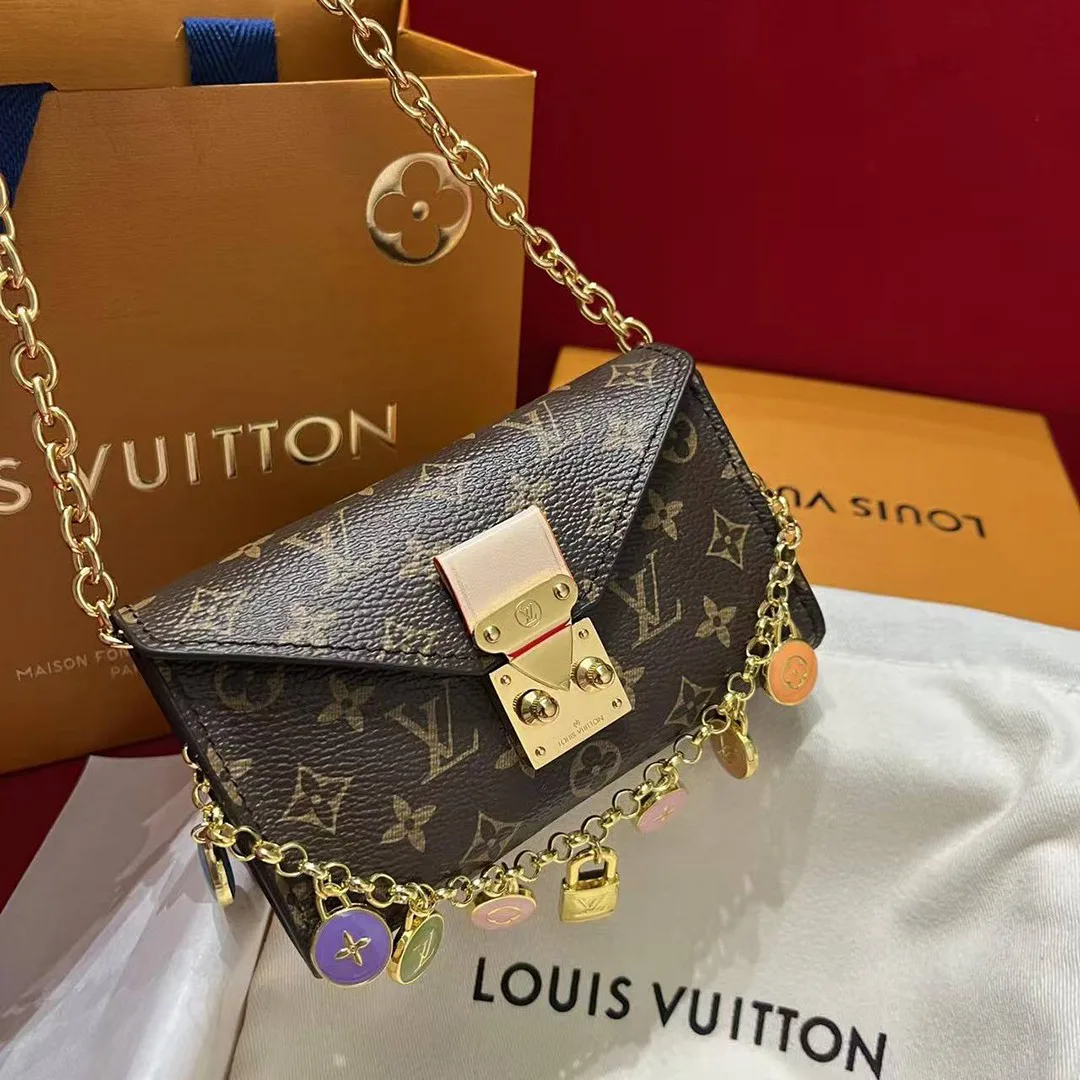
Principle three: the metal family. Hardware and jewelry should agree in tone, gold with gold, silver with silver. Mixed metals can work, but they work deliberately, and accidental mixing reads sloppy. Check the belt buckle, the bag hardware, the watch, and the jewelry, and keep them in the family.
Belt Styling: The Connector
The belt connects the top and bottom of the outfit, and its styling rules are simple. Match the belt to the shoes, always, that is the leather family rule in its purest form. The belt width should match the trousers and the occasion: narrow belts for dress trousers and formal looks, medium belts for chinos and everyday wear, wide belts for casual and statement looks. The buckle should match the formality: a simple polished buckle for formal, a chunky buckle for casual, and a distinctive buckle for statement outfits.
Where to wear the belt: at the natural waist for formal, at the hip for casual, and the belt should sit flat, not twisted, with the tail neatly through the first loop. For women, the belt is also a silhouette tool: a belt at the waist defines the waistline, and a belt at the hip lengthens the torso. Use it deliberately.
Scarf Styling: The Versatility Champion
The scarf is the most versatile accessory, and its styling rules are about knots and placement. The classic men’s knot, the Parisian knot (fold in half, pass the ends through the loop), and the drape (simply folded over the neck) cover most situations. For women, the square scarf has a dozen lives: worn at the neck, tied on the bag handle, in the hair, at the waist, or as a headscarf. The round scarf is the everyday workhorse, and the blanket scarf is the winter statement.
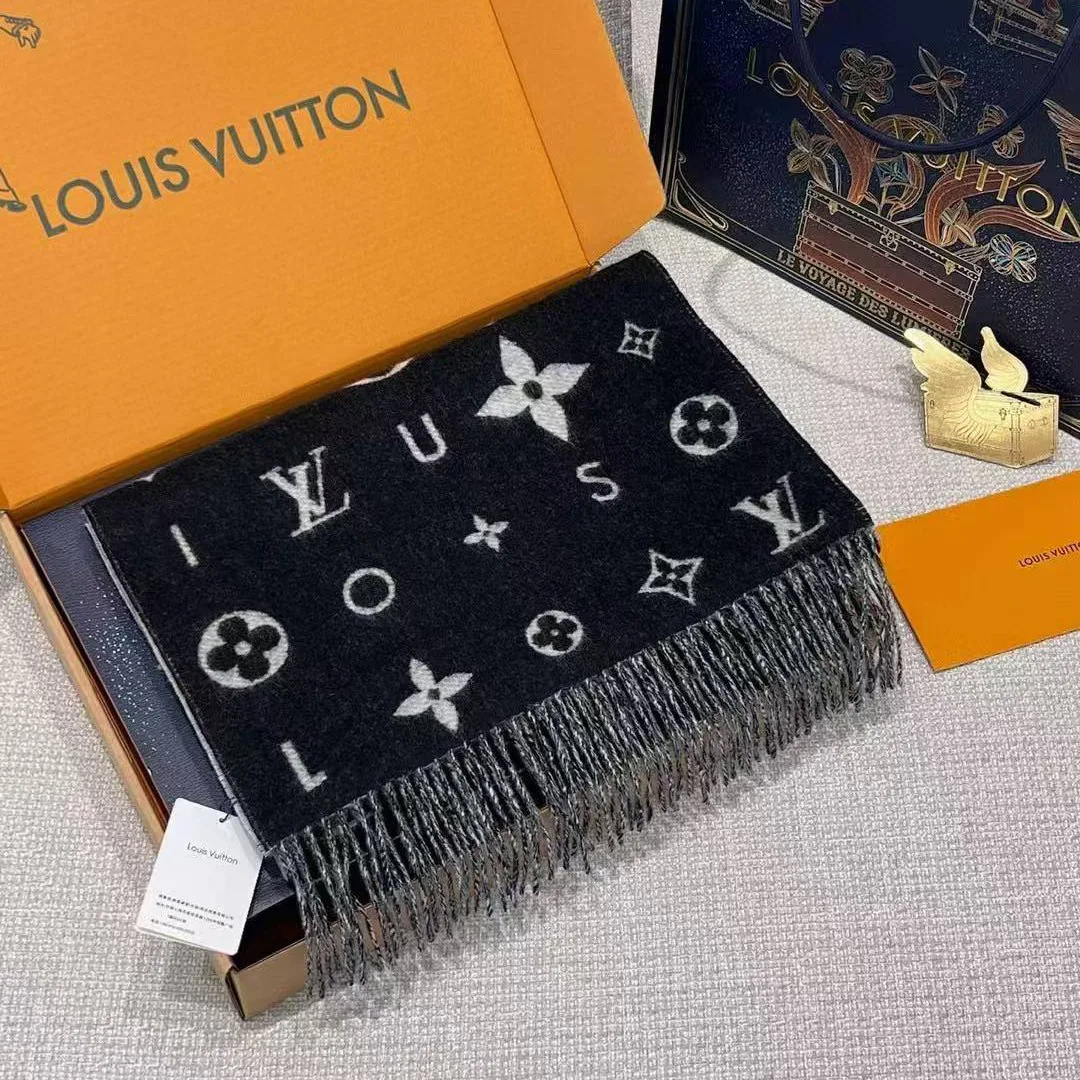
The styling rule for scarves is color: the scarf should echo a color in the outfit or provide the one contrast the outfit needs. A scarf in the same color family as the coat creates a seamless, expensive look. A scarf in a contrasting color, worn with an otherwise neutral outfit, is the statement. And the material should match the season: silk for spring and summer, wool and cashmere for autumn and winter.
Sunglasses Styling: Fit First, Frame Second
Sunglasses styling is about face shape and frame shape. Round faces suit angular frames, which add definition. Square faces suit rounder frames, which soften the angles. Oval faces, the lucky majority, suit most shapes. Heart-shaped faces suit frames that are wider at the bottom. The lens width should roughly match the cheekbone width, and the frame should sit comfortably without pinching or sliding.
Style rules for sunglasses: the classic shapes, aviator, wayfarer, round, and cat-eye, never look dated. Neutral frames, black, tortoise, and metal, go with everything. Statement frames are for the days you want the sunglasses to be the outfit, and they work best with otherwise simple outfits. And one practical rule: when you take them off, they go in the case or on your head, never hanging from the collar of your shirt, which is the fastest way to lose or scratch them.
Jewelry Styling: Less, but Deliberate
Jewelry styling is the fewer-better rule in action. One quality chain reads more expensive than five cheap ones. The styling rules: match the metal family, gold with gold, silver with silver, and mix deliberately if you mix at all. Scale matters: delicate jewelry with delicate outfits, bolder pieces with casual and statement outfits. And the focal piece rule: one piece per zone, one necklace at the neckline, one pair of earrings at the ears, one bracelet or watch at the wrist, and the pieces should not compete.
For men, the jewelry system is usually the watch, a wedding band, and perhaps one more piece, and the watch strap joins the leather family. For women, the system is more flexible, but the principle is the same: the jewelry completes the outfit, it does not fight it.
Occasion Styling
Work: accessories should be understated, a leather belt matching the shoes, minimal jewelry, classic sunglasses. The goal is polish, not statement. Weekend: the rules relax, and this is the time for the statement scarf, the colored sunglasses, the distinctive belt. Evening: the accessories take over, the jewelry becomes the focus, the belt is slim and polished, and the sunglasses stay home or stay in the case. Travel: accessories should be practical and coordinated, a belt that works with everything, a scarf that doubles as a blanket, sunglasses that go everywhere.
Seasonal: light metals and bright scarves in summer, warm leathers and rich tones in winter, and the accessory system shifts weight with the seasons like everything else in the wardrobe.
Building Your Accessory Rotation
A complete accessory rotation is smaller than people think: two belts, two or three scarves, two pairs of sunglasses, two or three jewelry pieces, one wallet. Ten pieces, all worn, all coordinated. The rotation rule applies: pieces worn in rotation last longer and look better than pieces worn daily. And the styling rule that ties it all together: the accessory system should match the wardrobe system, leather family, metal family, and one statement per outfit, and every outfit will look deliberate.
Scarf Styling: Knots, Placement, and Color
The scarf is the most versatile accessory, and its styling rules are about knots and placement. The classic Parisian knot, fold in half, pass the ends through the loop, covers most situations, and the drape, simply folded over the neck, is the effortless option. For women, the square scarf has a dozen lives: worn at the neck, tied on the bag handle, in the hair, at the waist, or as a headscarf. The round scarf is the everyday workhorse, and the blanket scarf is the winter statement.
The styling rule for scarves is color: the scarf should echo a color in the outfit or provide the one contrast the outfit needs. A scarf in the same color family as the coat creates a seamless, expensive look. A scarf in a contrasting color, worn with an otherwise neutral outfit, is the statement. And the material should match the season: silk for spring and summer, wool and cashmere for autumn and winter, and the scarf becomes the piece that makes the plain outfit deliberate.
Accessory Styling for Different Body Types
Accessories can balance a silhouette, and knowing the proportion rules makes the styling personal rather than generic. Petite frames suit smaller accessories: slim belts, delicate jewelry, smaller frames in sunglasses, because oversized pieces swamp a smaller frame. Taller frames can carry the bigger pieces: wider belts, chunkier jewelry, larger frames, because they balance the longer line.
The belt is the proportion tool with the most power: a belt at the natural waist defines the waist and lengthens the legs; a belt at the hip lengthens the torso; a belt in the same color as the outfit creates a longer, unbroken line. Scarves follow the same logic: longer scarves lengthen, shorter scarves add width. And the jewelry scale should match the face and frame, delicate for delicate features, bolder for stronger ones. The rules are gentle, and the mirror is the judge, but the proportions are what make accessories flatter rather than just decorate.
The Accessory System in Practice
Here is the accessory system in practice, the ten-minute morning that makes every outfit look deliberate. Choose the belt first, matched to the shoes, because it anchors the leather family. Add the bag, in the same family. Then the watch or jewelry, in the matching metal. Then one statement piece, the scarf, the sunglasses, or the distinctive piece, and only one. The whole check takes less than a minute once the pieces are chosen, and the result is an outfit that reads intentional without any visible effort.
The system works because it removes decisions: the leather family, the metal family, and the one-statement rule are fixed, so the morning is just execution, not deliberation. The person who runs the system every day is the person whose style looks effortless, and the effortlessness is the payoff of the system. The system is not rigid, it is a default, and defaults are what make style consistent, which is what makes style stylish.
Related Guides in This Series
The Complete 101 Buying Guide · Accessories Buying Guide: Belts, Scarves, Sunglasses, Jewelry & More · Accessory Trends: The Accessories Everyone Will Be Wearing
Ready to complete your outfits? Browse our designer-inspired accessory collection and find the pieces that tie your wardrobe together.
For accessory styling trends, The Business of Fashion covers what is shaping the accessories market.
For the industry perspective, Vogue publishes regular updates on this space.