

How to Protect Your Leather Bag from Rain and Water Damage
August 14, 2026How to Store Handbags So They Keep Their Shape for Years
August 14, 2026My grandmother’s handbag rule was simple: never buy a bag you can’t afford to feed. I thought it was a joke about shopping until I understood what she meant. Leather eats. It drinks in oils when they’re offered and it starves slowly when they aren’t. I’ve handled plenty of bags that looked fantastic on day one and looked ten years old by month eight, and in almost every case the owner had never conditioned them once. Conditioning is the difference between a bag that ages gracefully and a bag that just wears out.
So let’s talk about conditioners: which ones are worth your money, which ones will quietly wreck your bag, and how often you actually need to do this. I’ll keep it practical — I’m a buyer, not a chemist.
Why Your Bag Needs a Conditioner at All
Leather contains natural oils, and those oils do two jobs. They keep the fibers flexible, and they keep the surface supple enough to shrug off small scratches and light moisture. Use a bag for a few months and those oils deplete — through friction, sunlight, dry air, even just time. The first signs are subtle: the leather feels stiffer, the color looks a little dusty, and creases at the fold lines start to show white stress marks. That’s the bag telling you it’s thirsty.
Conditioner replaces what’s gone. It doesn’t waterproof the bag and it doesn’t clean it — anyone who tells you a product does all three well is selling you a product that does all three poorly.
What to Look For — and What to Avoid
Read the ingredient list like you read a food label. Good conditioners rely on natural oils and waxes — lanolin, beeswax, neatsfoot, jojoba. They soak in and become part of the leather. Avoid anything built on silicones or petroleum derivatives; those sit on the surface like a plastic film, clog the pores, and leave the leather feeling greasy while it dries out underneath.
On products, my honest shortlist: Leather Honey is thick and relentless — ideal for a seriously dry bag, though it can darken slightly, so test it first. Saphir Renovateur is the classic balm for finished leathers, and it smells like a proper shoe shop. Bick 4 is the light, safe option that works on almost everything, including some coated leathers. Collonil makes solid mid-range options you’ll find in most department stores. All of them run between ten and thirty dollars, and a bottle lasts a year or more. What I would never use: shoe polish, because the waxes are wrong and it rubs off on your clothes; mink oil, which darkens leather dramatically; and anything that promises to restore cracked plastic-coated leather — that’s a lie, because the coating is gone.
How Often — the Honest Answer
Monthly for a bag you carry daily. Every two to three months for a bag that comes out on weekends. Before storage and after storage for seasonal bags — think of it like winterizing a car. If you live somewhere very dry, or you blast the heating all winter, nudge the frequency up.
There’s also a simple test for “is it thirsty right now.” Press a fingernail gently into the leather and slide it. If the surface looks dry and the mark doesn’t settle back quickly, condition it. If the leather already feels waxy and slightly tacky, wait — over-conditioning is real, and a greasy bag just collects dust.
One more timing note: a brand-new bag usually doesn’t need conditioning for the first few months, because the factory finish and tanning oils are still doing their job. Starting a routine on a fresh bag is harmless, but it’s also unnecessary — and it means you’re more likely to over-condition early. My own rule: condition a new bag once, lightly, right after its first deep clean, then settle into the monthly rhythm from there. Also skip conditioning right before you apply a waterproofing spray — the spray needs a clean surface to bond properly, and conditioner residue will make it bead unevenly.
How to Apply It So It Actually Works
Clean the bag first. Conditioner over dirt just seals the dirt in. Apply a thin coat with a soft cloth, working in small circular motions, and let it sit for fifteen minutes before buffing with a clean dry cloth. One thin coat. If the leather still looks hungry after it dries, add a second — but let each coat absorb fully first, otherwise you’re just piling wax on the surface.
And a word on suede: none of this applies. Suede and nubuck should never see a cream conditioner; they need a suede protector spray and a brass brush, and that’s the whole routine. The fashion industry has been debating care and longevity for years — The Business of Fashion covers that conversation well if you want the bigger picture.
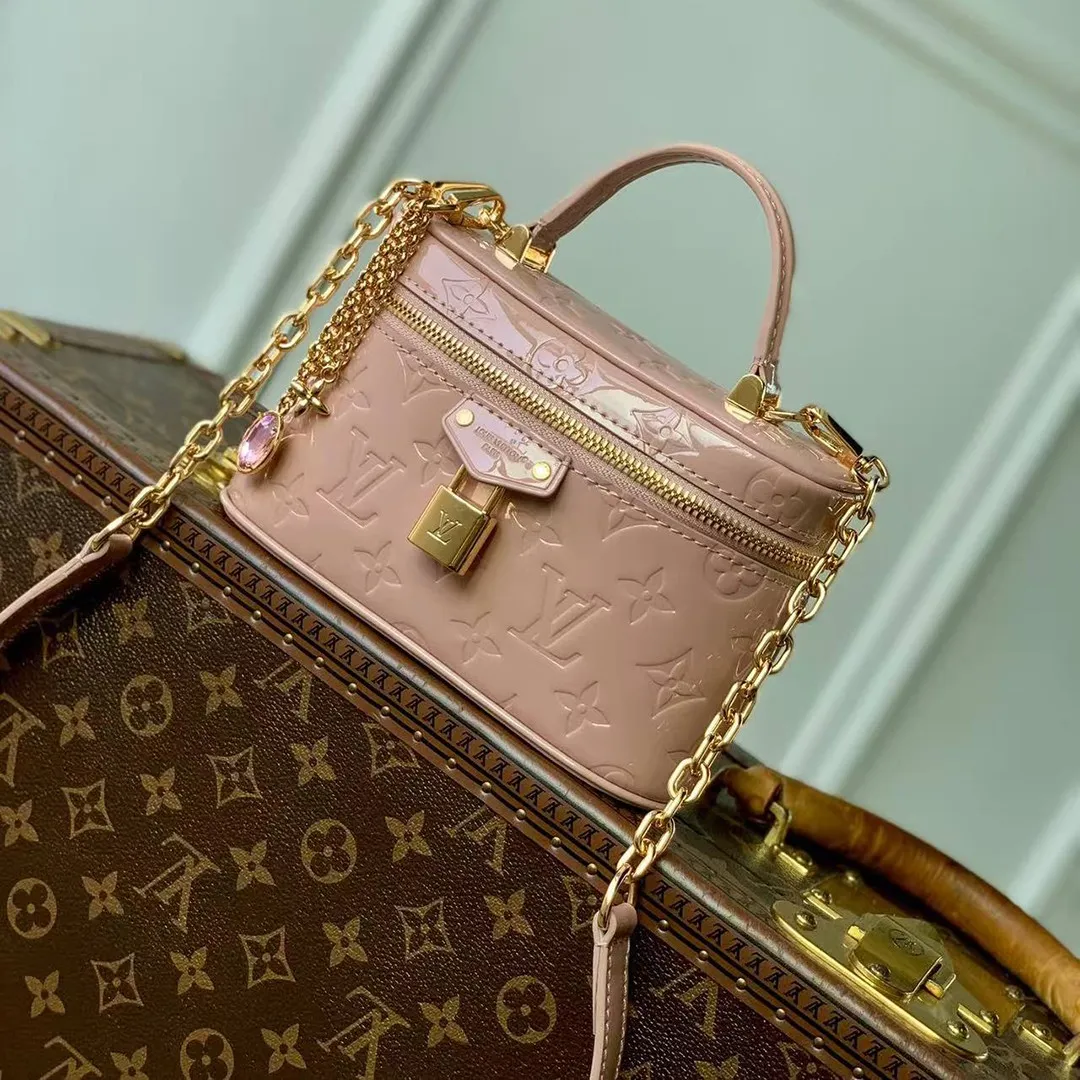
Conditioning won’t rescue a bad bag, but it will make a good one last a decade. If you’re starting fresh, start with a bag built to age — take a look at our women’s designer-inspired handbag collection and pick one worth feeding.
Related reading: How to Care for Your Leather Handbags: Cleaning, Conditioning, Storage · The Complete 101 Buying Guide · How to Remove Scratches from a Leather Bag: What Works and What Doesn’ · How to Fix a Broken Handbag Zipper (or Know When to Call a Pro)
For the industry perspective, Leather Naturally publishes regular updates on this space.