

How to Remove Ink Stains from a Leather Handbag
August 14, 2026The Best Leather Conditioners for Handbags (and How Often to Use Them)
August 14, 2026I’ll never forget the woman who called me in a panic about her soaked leather bag. It had been caught in a downpour on the way to work, and her well-meaning coworker had dried it with a hairdryer. By the time I saw it, the leather was hard, wrinkled, and darker in patches — it looked like a raisin with a strap. The rain hadn’t ruined that bag. The hairdryer had. Water is a problem leather can survive. Heat is the killer, and panic makes people reach for heat.
So let’s talk about rain: how to protect a leather bag before the storm, and exactly what to do if it gets soaked anyway. Because one day it will. It happens to everyone.
What Water Actually Does to Leather
Leather is skin, and skin reacts to water. A light mist beads up and evaporates with no real harm. A soaking rain is different: the water carries dirt and pollutants into the surface, it redistributes the natural oils, and as it dries it leaves water spots where the leather dried unevenly. Salt is the sneaky one — in winter, street salt gets onto the bag with the slush, and salt draws moisture and eats into the finish over time.
And then there’s what happens after: a soaked bag that dries in a warm, dark, humid place — like a car or a closet — becomes a mold farm. So the goals are simple. Keep water off when you can, dry slowly when you can’t, and never, ever apply heat.
Waterproofing Sprays, Done Right
A good leather waterproofing spray is the closest thing to insurance you can buy, and it costs ten to twenty dollars. Look for a water-based protector made for leather — the silicone-heavy ones work but can darken lighter leathers and build up a film over years of reapplication. Brands like Collonil and Nikwax are solid, and most leather-care lines have an option. Two thin coats beat one thick coat every time: spray from about twenty centimeters away, let the first coat dry, then apply the second. Do it on a clean, dry bag, outdoors or in a ventilated room, and always test on a hidden spot first — some protectors darken light leather, and you want to know that before the whole bag changes color.
Reapply every few months, and again before wet seasons. A bag that’s carried daily in winter gets sprayed twice as often as a weekend bag. And here’s a detail people miss: reapply after a deep clean, because cleaning removes the old protective layer along with the dirt.
If the Bag Gets Soaked Anyway
First, stop touching it. Blot the surface with a dry towel — press, don’t rub — to lift as much water as you can. Then stuff the bag immediately with dry towels, paper towels, or tissue to hold its shape while it dries. An unstuffed wet bag dries into wrinkles and distortion that never fully relax.
Dry it at room temperature, in shade, away from radiators, hairdryers, direct sun, and car dashboards. Slow is safe. It can take two or three days for a really soaked bag to dry fully — that’s normal. When it’s completely dry, condition it. The water stripped oils along the way, and conditioner puts them back; it also often evens out water spots as the leather rehydrates. I’ve watched bags that looked ruined after a storm come back to normal within two weeks of patient drying and conditioning.
Salt marks, mostly a winter problem: once the bag is dry, mix one part white vinegar with one part water, dip a cloth, and dab the marks — then wipe with a clean damp cloth and condition. Test on a hidden spot first. For suede, skip all liquids: let it dry, then brush it with a suede brush and use a suede eraser on the marks.
Daily Habits for Rainy Seasons
Prevention is mostly logistics. Check the forecast before you choose the day’s bag — a rainy Tuesday is the day for the beater bag, not the new suede tote. Carry the bag on the sheltered side of your body, under the umbrella’s coverage. When you get inside, wipe the bag down with a dry cloth before the water settles in. And give wet-season bags a weekly airing in a dry room so no moisture lingers in the folds.
One more habit worth stealing: keep a travel umbrella in the office bag. I’ve watched a lot of bags get ruined in the two minutes between the car and the door.
The handbag market keeps growing — Vogue Business tracks it — and the more a bag costs, the more sense protection makes. Water damage is one of the few things that can take a bag from beautiful to unwearable, and it’s also one of the most preventable.
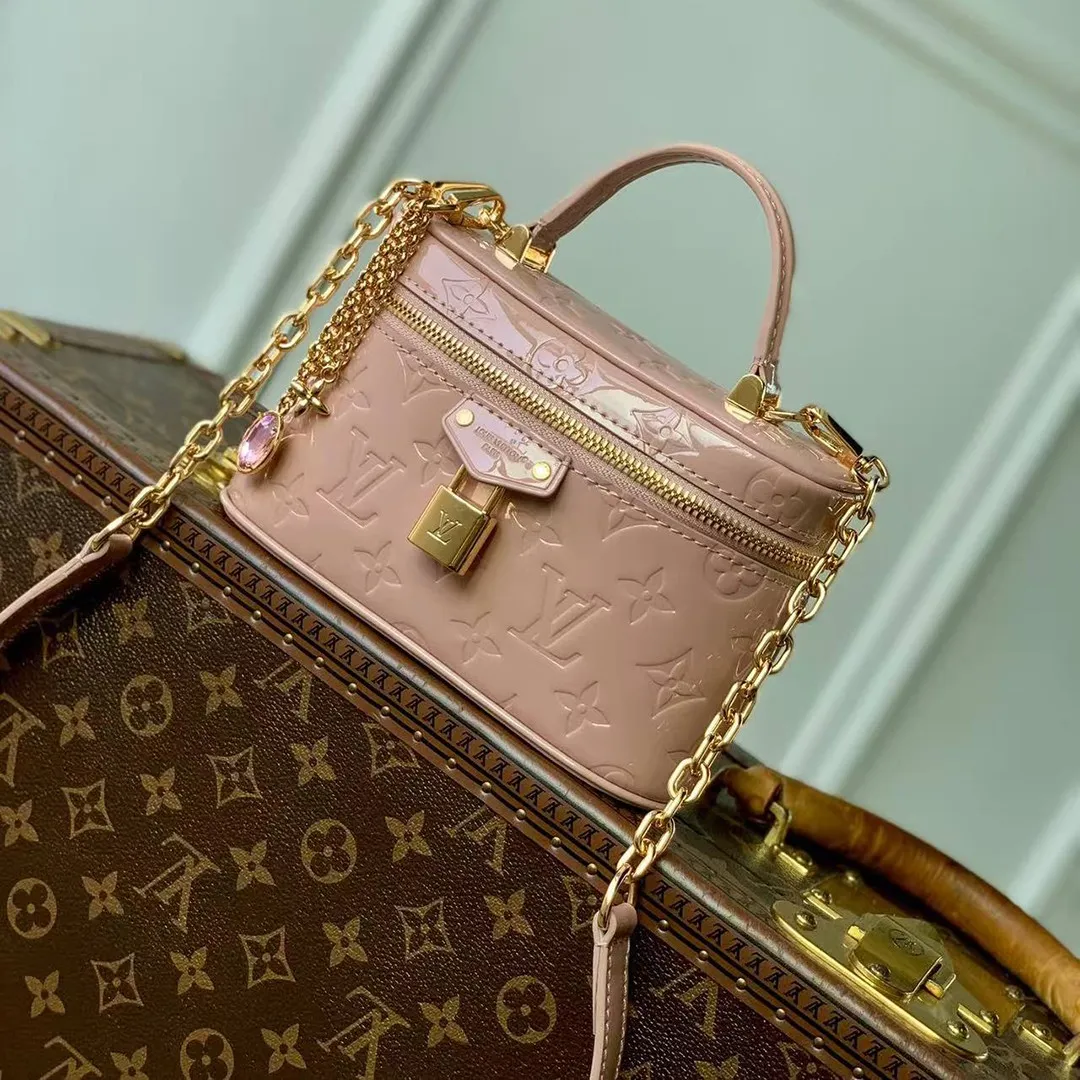
If you’re in the market for a bag that handles real life — rain and all — our women’s designer-inspired handbag collection is built with materials that age well and tolerate the occasional storm.
Related reading: How to Care for Your Leather Handbags: Cleaning, Conditioning, Storage · The Complete 101 Buying Guide · The Best Leather Conditioners for Handbags (and How Often to Use Them) · How to Remove Scratches from a Leather Bag: What Works and What Doesn’
Industry data and professional guidance from Leather Naturally support this view.