

Repair or Replace? How to Decide What to Do with a Worn Handbag
August 14, 2026How to Protect Your Leather Bag from Rain and Water Damage
August 14, 2026Of all the stains a leather handbag can get, ink is the one that makes owners panic the most. And it’s the one I get asked about constantly. A pen uncaps itself at the bottom of a bag, and suddenly there’s a blue line across the lining or, worse, across the exterior. People reach for everything — nail polish remover, toothpaste, hairspray, bleach. I’ve seen all of it end badly. So let me give you the honest version: what actually works, what doesn’t, and when to walk away and call a professional.
The First Ten Minutes Decide Everything
Blot, don’t rub. I can’t say it enough. Rubbing spreads the ink into the fibers and grinds it deeper; blotting lifts it. Use a clean, dry cloth or paper towel, press down on the stain, and let the fabric absorb what it can. Change to a fresh section of cloth as it picks up ink.
Resist the urge to wet the stain. Water can push water-soluble ink deeper into the leather and spread it across the surface. And ignore the old hairspray trick — the alcohol in hairspray can strip the finish off leather along with the ink, and you’ll trade a blue stain for a dull patch that’s worse.
The exception to every rule: if the ink is on the lining and it’s fresh, you can often catch most of it with blotting alone. If it’s on the exterior leather, stop blotting after the first couple of minutes and move to step two.

What Actually Works
Start with a leather cleaner. The same pH-balanced cleaner you use for general grime — applied to a cotton swab, dabbed, not rubbed — lifts fresh ballpoint ink off finished leathers surprisingly often. Work from the outside of the stain toward the center so you don’t spread it.
For ballpoint ink that resists a standard cleaner, diluted isopropyl alcohol is the next step — and I want to be careful here, because it’s a double-edged sword. Mix one part 70% isopropyl alcohol with three parts water, dip a cotton swab, blot the stain, and check the swab for color transfer immediately. If the swab picks up the bag’s own dye, stop — the finish is lifting, and you’re now making a new, bigger problem. This method works on pigmented, finished leathers. I would never try it on aniline or naked leather, where the dye runs deep and the finish is thin.
There are also dedicated leather ink-remover products — most leather-care brands sell one — and they’re formulated to lift ink without stripping finish. If you want the safest option that still has a chance of working, that’s it. Expect to pay fifteen to twenty-five dollars, and test it on a hidden spot first.
One clarification on pen types, because it changes your odds. Ballpoint ink is oil-based and sits mostly on the surface, which is why it responds to cleaning and diluted alcohol. Gel ink is pigment suspended in a water-based gel — it spreads faster and sets harder, so you have even less time. Rollerball and fountain pen inks are dye-based and soak into the fibers almost immediately; those are the ones that laugh at home remedies. So the first question isn’t just what to use — it’s what kind of pen it was, because that decides whether you have an hour or a week.
When to Stop and Call a Professional
Here’s the honest truth: once ink has dried and set — a few hours is usually enough — home methods go from worth trying to long shot. Fountain pen ink is the worst, because it’s dye-based and penetrates deep into the leather fibers. Gel ink is nearly as bad. If the stain is on suede or nubuck, don’t touch it with anything liquid; suede ink removal is a professional-only job, and water will make it permanent.
A professional leather cleaner can often lift ink that home methods can’t, using controlled solvents and techniques. It costs fifty to a hundred dollars, and it’s worth every cent if the bag matters to you. The repair-and-restoration side of the fashion business is bigger than most people realize — The Fashion Law covers the industry behind it — and a good restorer has seen worse than your pen mark. The one thing they can’t fix is the damage done by bleach, nail polish remover, or a magic eraser. Those strip the finish permanently.
Prevention: The Actual Best Fix
Every ink disaster I’ve seen came from the same root cause: loose pens in a bag. Carry pens in a dedicated pocket with a proper pen loop, or in a small pouch. Check every pen before you zip the bag — one uncapped pen, one bumpy car ride, and you’ve got a weekend project. And don’t leave pens loose with receipts and loose change; the friction of everything sliding around is what pops the caps off.
If the bag in question has an interior that’s already stained and the stain doesn’t bother you, that’s a legitimate choice — the lining is the bag’s private business. But the exterior is a different story, and that’s where the pros earn their money.
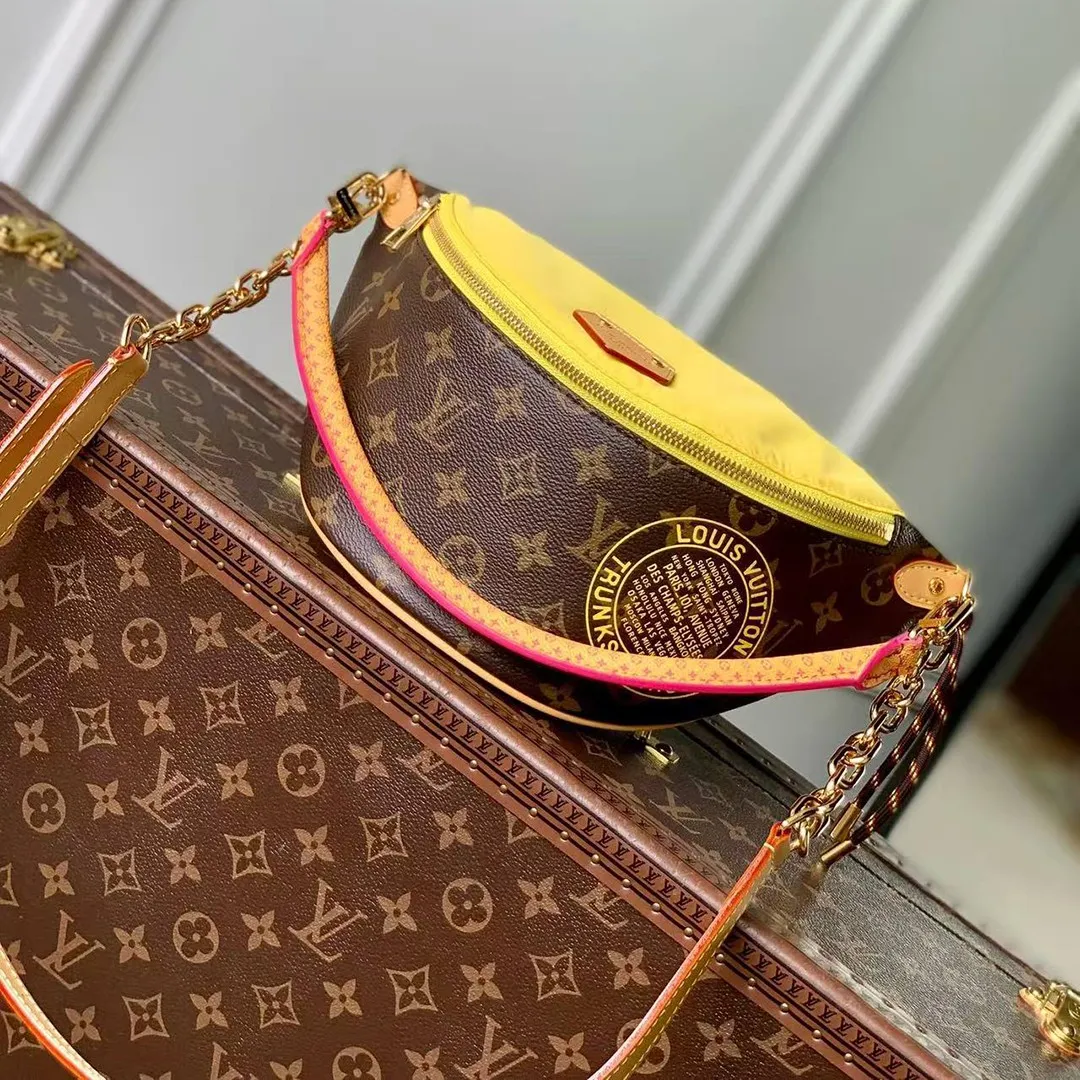
If the ink won out and the bag is beyond saving, take the lesson and start fresh with a bag that has better-organized pockets — our women’s designer-inspired handbag collection is a good place to look.
Related reading: How to Care for Your Leather Handbags: Cleaning, Conditioning, Storage · The Complete 101 Buying Guide · The Best Leather Conditioners for Handbags (and How Often to Use Them) · How to Remove Scratches from a Leather Bag: What Works and What Doesn’
For the industry perspective, Leather Naturally publishes regular updates on this space.