

How to Store Handbags So They Keep Their Shape for Years
August 14, 2026I own a cream bag that I adore and have carried maybe six times in two years. It taught me more about color than every style guide I have ever read. The best everyday color is not the one that photographs best or the one the salesperson calls timeless. It is the one that survives your actual life: your commute, your coffee, your denim, your rain, and the way you set your bag down on floors without thinking. I learned the hard way that a bag color you are afraid to carry is not a bag, it is an ornament with a strap.
The Neutrals That Do the Work
Black is the workhorse, and it is boring for a reason: it goes with everything, it hides most marks, and it reads appropriate at a funeral, a board meeting, and a bar. My black crossbody has been through rain, airports, and being shoved under restaurant tables, and it still looks presentable. The one thing black shows is dust, especially on smooth leather, but a wipe fixes that in seconds.
Brown and tan are the underrated heroes. Dark brown hides scuffs better than any other color, which sounds backwards until you see a scratched dark brown bag up close: the scratches just blend in with the natural variation. Tan and cognac warm up outfits that black makes severe, and they develop a patina that looks expensive. The trade-off is that light tan shows marks more than black, but the marks read as character instead of damage, which changes everything. My weekend rotation is a tan tote and a black crossbody, and between the two of them I am covered for every occasion I actually attend.
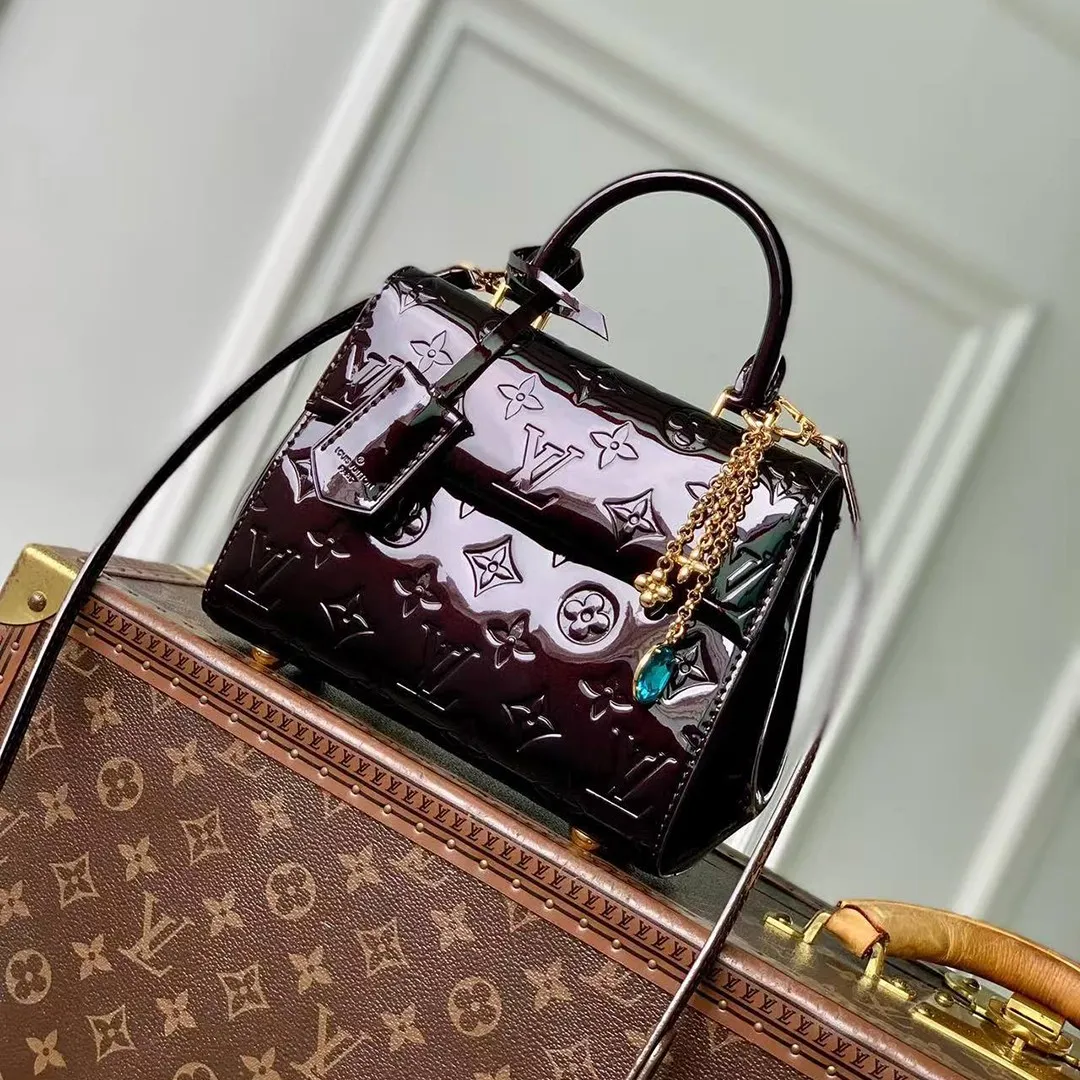
Then there are the soft neutrals, the colors that act neutral without being black or brown: burgundy, forest green, charcoal, and navy. These are the smart choice when you want something more interesting than black but you still need it to work daily. Burgundy in particular hides wear well, pairs with denim, and looks deliberate rather than accidental. If I were buying one bag today, it would honestly be a coin flip between black and a deep burgundy.
The Colors That Show Everything
White and cream are the celebrities of the handbag world: gorgeous, photographed constantly, and absolutely incapable of living a normal life. They show denim transfer, which appears on the back of the bag the first time you carry it against dark jeans. They show pen marks, which appear the first time a pen escapes its pocket. They show city grime, which appears as a grey film that no amount of wiping fully removes. My cream bag got a pen mark on its second outing, and I have never fully forgiven it. If you want a light bag, go in with open eyes: you will be conditioning it more, cleaning it more, and carrying it less.
Pastel pink and yellow are the same story with extra steps. They look incredible in summer photos and they show every transfer, every scuff, and every day of wear. Light colors are also harder to repair, because a conditioner that darkens the leather slightly, which is invisible on a tan bag, shows up as a patch on white. That is why every used white bag you see looks vaguely grey.
When a Light Bag Is Still Worth It
I am not here to talk you out of light bags completely, because I own one and I will probably own another. A cream or white bag lifts a winter outfit better than anything else in your closet, photographs beautifully, and makes a statement that black cannot. The question is whether you accept the terms. If you buy a light bag knowing it will age, knowing it needs care, and knowing you will carry it on special days rather than daily, that is a completely valid purchase. My cream bag earns its place for events and summer evenings. The mistake is buying a light bag expecting it to behave like a dark one, and then resenting it for being what it is.
Match the Color to Your Wardrobe
Here is the practical method I use instead of trend lists. Look at your wardrobe and decide whether it runs cool or warm. If most of your clothes are black, grey, navy, and white, you have a cool wardrobe, and black, charcoal, burgundy, or grey bags will blend in seamlessly. If your wardrobe runs to browns, tans, olive, and warm creams, a cognac or tan bag will do the same. The mismatch is what looks off: a warm tan bag against a cool grey winter coat, or a stark black bag against a camel outfit, both read as accidents even when they are not.
The seasons matter too, more than people admit. Dark colors disappear into winter coats and grey skies, which is exactly when a tan or burgundy bag adds something. Light colors bloom in summer, when your outfits are lighter and the sun is out. I switch my tan bag in for winter precisely because it is the one thing in my all-black winter uniform that does not vanish.
What I Carry
My final answer, after years of experiments and one traumatized cream bag: black for work, tan for weekends, and one burgundy for the in-between days. If you are buying one bag, buy black or dark brown, because boring is right. If you are buying two, black plus tan covers every season and every occasion without a second thought. And if you are buying a light bag, buy it knowing exactly what you are getting into. Color is a personality test, and the only wrong answer is the color you are too afraid to carry.
Want to see the everyday colors done right? Browse our women’s leather handbag collection and check the color options on each piece.
For reporting on how color trends move through the industry each season, Vogue Business covers the trend cycle as it happens.
Related reading: The Ultimate Women’s Handbag Buying Guide: How to Choose a Bag That La · The Complete 101 Buying Guide · Tote vs Shoulder Bag vs Crossbody: Which Shape Fits Your Life? · Full-Grain vs Top-Grain Leather: What’s the Real Difference in Bags?
Industry data and professional guidance from United States Leather support this view.